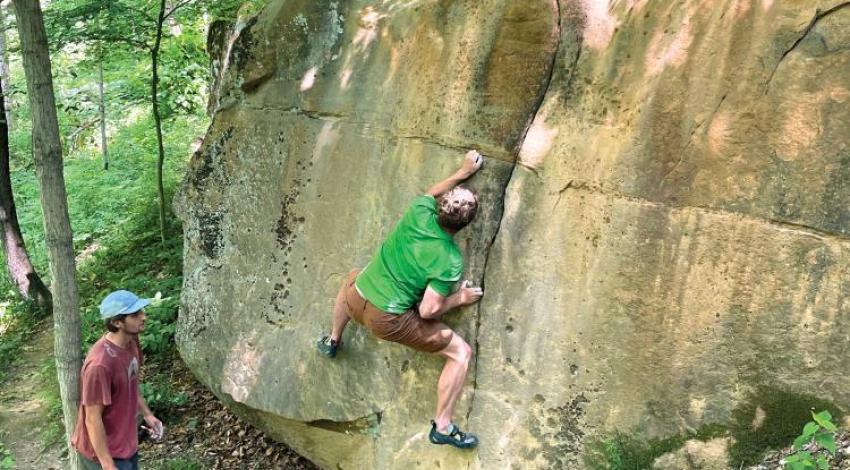
Ted Welser, a professor in the Department of Sociology and Anthropology at Ohio University, focuses his academic research on “the intersection of digital social systems, organizations, and social change.”
“Climbing combines physical activity — a sportlike activity — with a meaningful cultural experience,” he says. “It’s a reason to travel and experience new places. I’ve spent hundreds of days climbing in Ohio, Kentucky, West Virginia, and Alabama, traveling to places that are remote. I’ve enjoyed meeting people there who are climbers and not climbers.”
Shortly after he earned his PhD in sociology from the University of Washington, he and his wife, Laura Black, moved to Athens with their two kids to be professors at OU.

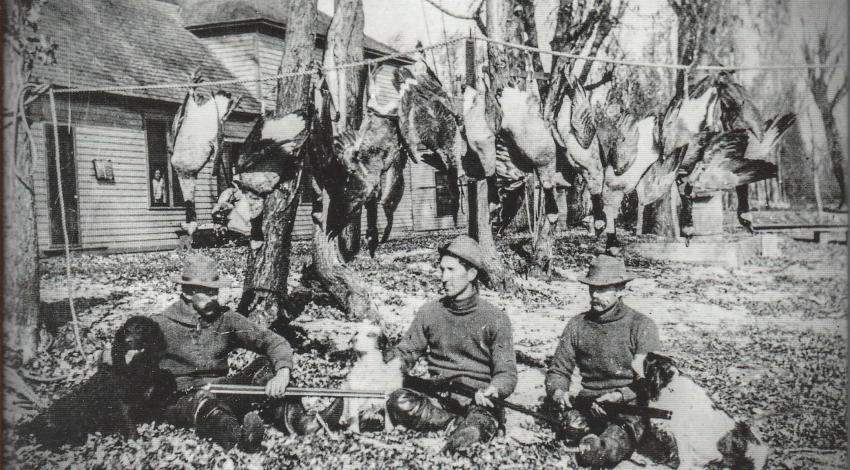
Decades ago, when I was a much younger man, I was a serious waterfowl hunter.
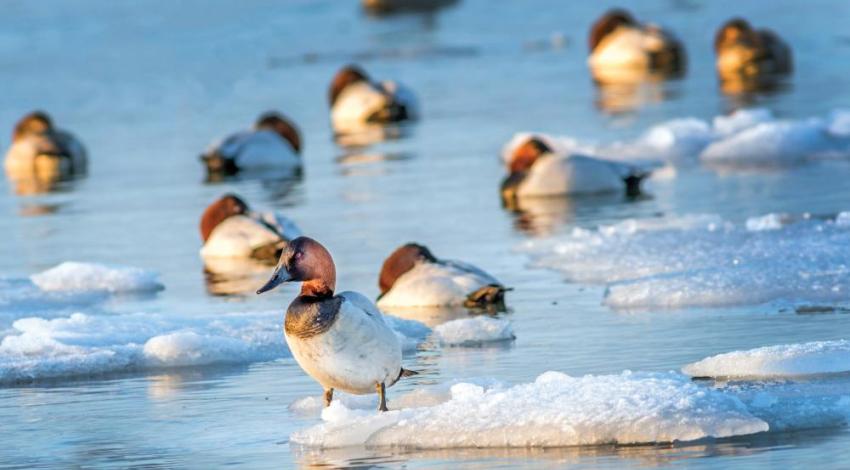
Large, handsome, fast-flying birds, canvasbacks were not exactly numerous during those years, but they were plentiful enough to be considered fair game. No matter how hard we hunted, however, we never bagged a single one.
I retired from duck hunting and sold the boat decades ago, but in truth, I never totally lost the desire to bag a “bull can,” as hunters call the male (or drake) canvasback. Recently, I realized that I’m not getting any younger, and I decided that if I’m ever going to do it, I should probably do it soon. And I knew exactly where to begin my “hunt.”
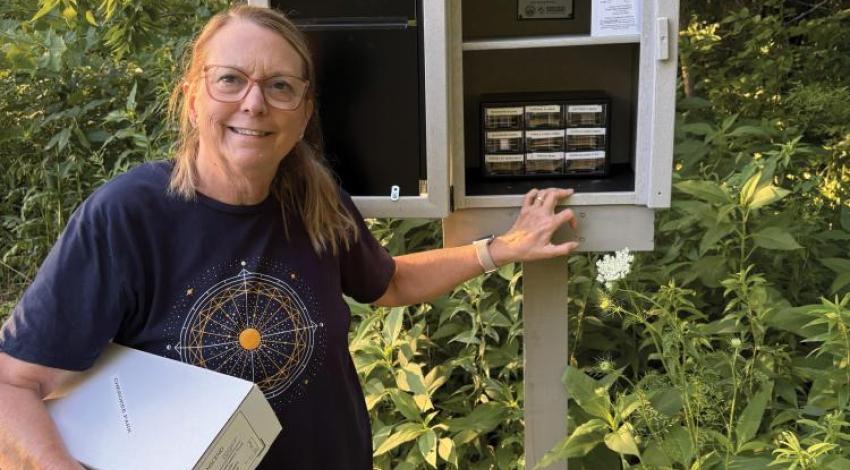
On a beautiful spring morning a few years ago, Randy Evans, director of Three Valley Conservation Trust in Oxford, was walking through a wooded area with the owner of the property, admiring the stunning array of wildflowers in bloom.
Evans thought of all the Little Free Libraries that were springing up at the time, offering books for anyone to take, and thought that maybe a similar program might encourage more people to plant wildflowers. It was a project, he figured, that would fit right in with 3VCT’s mission.
Three Valley Conservation Trust is a nonprofit group that promotes conservation measures in Butler, Preble, and Montgomery Counties. Its 250 members mainly work to secure land conservation easements and raise awareness of the importance of protecting natural habitats and resources.

As electric cooperatives, our main job obviously is to keep the lights on. We’re also dedicated to keeping our members informed about things like reliable service, affordable rates, and important rules that affect our business. We often talk about the benefits of being self-regulated, even though there are plenty of laws and regulations that also apply to us as we perform those important functions.
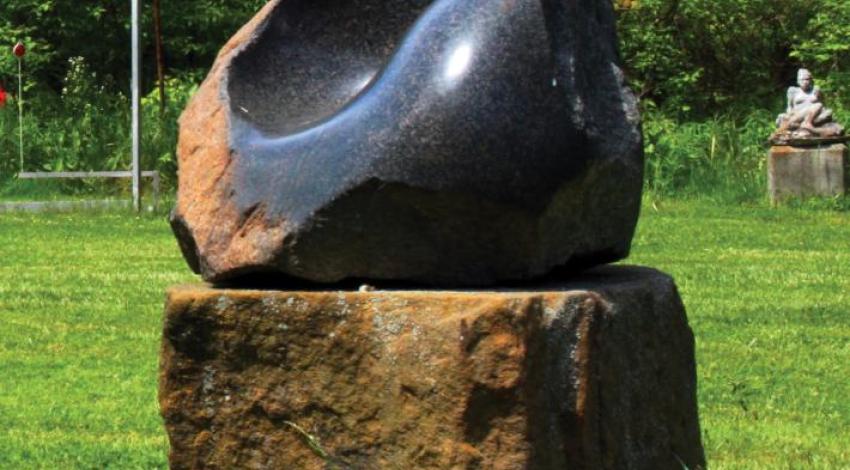
Like many Kelleys Island residents, Charles and Cindy Herndon spent their childhood summers in the bucolic setting on western Lake Erie before returning decades later to live there. But they didn’t just come back to fade away into retirement.
“The lake is a provider for paintings using propagation, waves, the stones it brings to shore, its movement, repetition, and variety,” he says. “The natural world is important to my soul and its creative juices.”
Before he painted, Charles mostly sculpted, and the garden portion of the campus is home to about 150 pieces ranging from smaller works to massive creations 7 or 8 feet tall. Some are wood, steel, or bronze; others are pieces of glacial erratic (granite) and limestone, many quarried from the island.
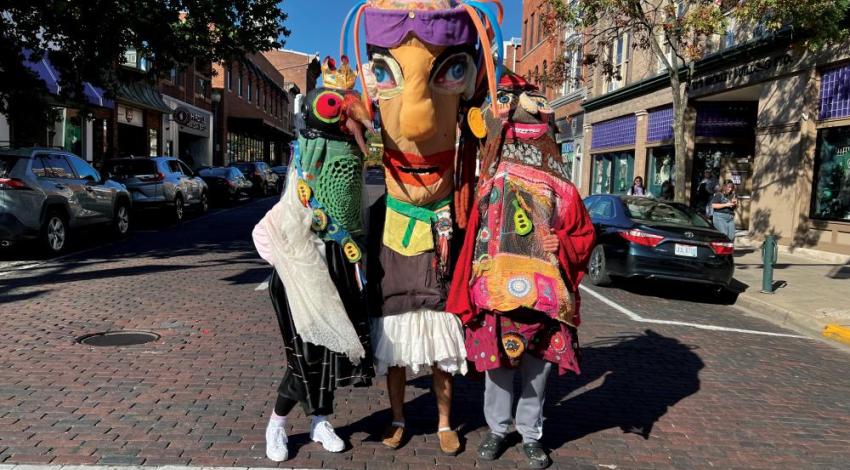
Each visit to Passion Works Studio is a visit to joy. It’s part art studio, part gift shop, and part community gathering place — and it bursts with creativity and whimsy. There are bold lines and vibrant color combinations everywhere. Each visit brings a new discovery.
What the Athens studio is best known for — its signature pieces — are the Passion Flowers, which festoon the walls and hang from the ceiling.
The flowers, made from recycled metal newspaper printing plates, have put the town’s creative spirit on the map. Stop in numerous Athens businesses and you’re likely to find them. They also decorate several downtown outdoor spots.
“My dream is to be a roadside attraction,” says Patty Mitchell, Passion Works founder and executive director.

At about 4:30 a.m. one frigid Monday this past December, a signal went out from Columbus that temporarily switched off electric water heaters, furnaces, heat pumps, and geothermal systems in tens of thousands of electric cooperative members’ homes around the state.
Buckeye Power, the generation and transmission cooperative that provides the electricity Ohio’s co-ops distribute to their members, can reduce costs and ease strain on the grid by cycling those appliances off and on for short periods of time when the demand for power is at its highest. More than 100,000 co-op members in Ohio volunteer to participate in the program.
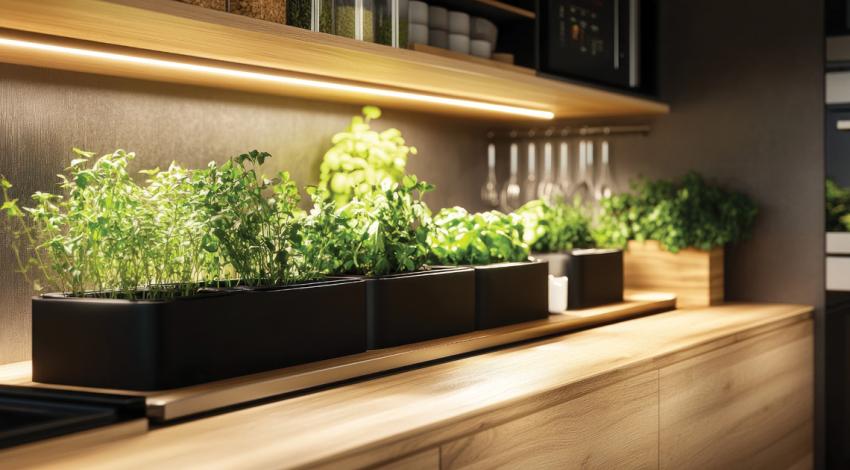
Harvesting your own fresh, aromatic herbs provides a satisfying connection to nature and lets you bring garden-to-table zestiness to your meals.
Why LED?
In years past, indoor gardening often meant bulky, hot lights that were as hard on your electric bill as they were on your plants. Modern LED lights, McDermott says, have revolutionized the kitchen garden. The slim, cool bulbs use up to 50% less energy than traditional fluorescents, yet deliver a full spectrum, which prevents plants from becoming “leggy,” or thin. The result is a sturdier, bushier herb that thrives on your countertop.
Choosing the right light