Over the past year, several strong storms caused damage and power outages across Ohio. Every time, lineworkers and other employees of Ohio’s 24 electric cooperatives mobilized to restore power in their communities. If help was needed, they put out a call for mutual assistance, and crews from neighboring co-ops left their own homes and families to help get the lights on, safely and quickly.
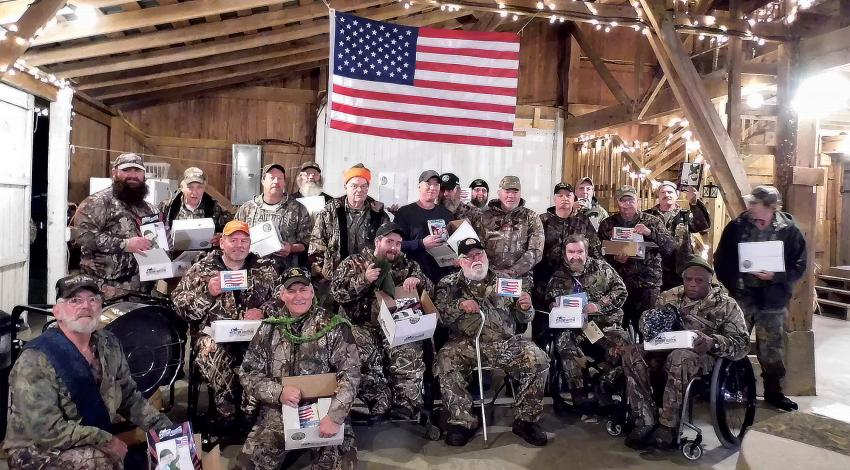
Air Force veteran Bill Frost established what he originally called the Pickaway County Disabled Veterans Hunt in 2010 with just an idea, some public land, a handful of volunteers, and 10 hunters.
Frost says he founded the event because he wanted to give veterans with disabilities an opportunity to take part in one of his favorite activities, hunting, that they likely wouldn’t have otherwise. And he encourages veterans with all levels of disability to take part.
“They suffer daily with mental or physical things they have wrong with them because they served our country,” Frost says. “If you have any doubts about thinking you can’t go hunting because of your disability, whatever it is, I really want you to please reach out.”

The story is well known to anyone familiar with electric cooperatives: People living in rural areas in the 1930s and ’40s couldn’t enjoy the benefits of electricity in their homes and on their farms because bringing power out into the countryside was a complicated and expen
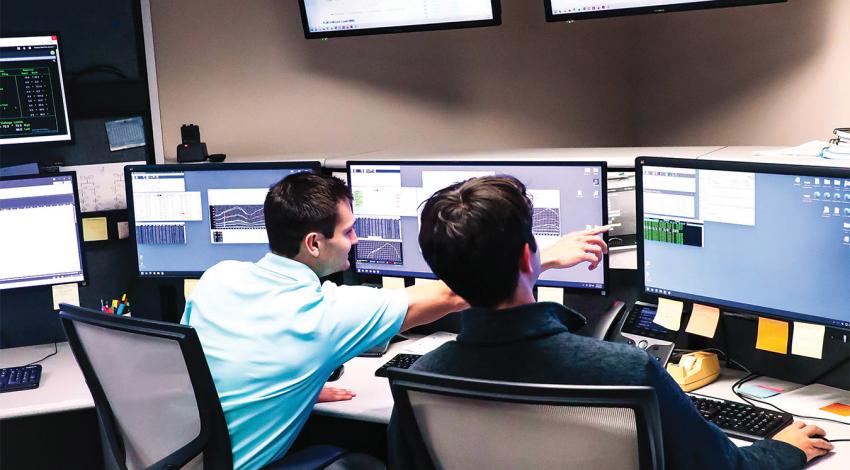
Co-ops were early adopters of AMR (automated meter reading) and AMI (advanced metering infrastructure), which automate tasks as mundane as reading a meter or finding the location of an outage. In a big city, that might take a few minutes for a utility crew, but co-op crews might have to drive for a couple of hours to do the same thing. If technology can eliminate that two-hour trip, it’s safer for employees, minimizes outage times, and saves members money.

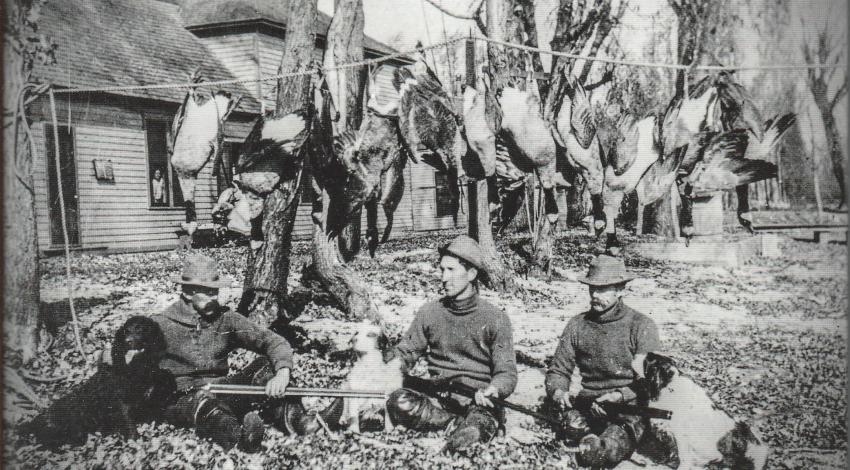
Sudden, severe storms can rake the Great Lakes at any time of year.
The Great Lakes Shipwreck Museum estimates that from 1875 to 1975, somewhere around 6,000 commercial ships sank on the Great Lakes — and those are only the ones that were documented. Some experts say the actual number could be more than four times that. Between one-fourth and one-third of them happened in November.
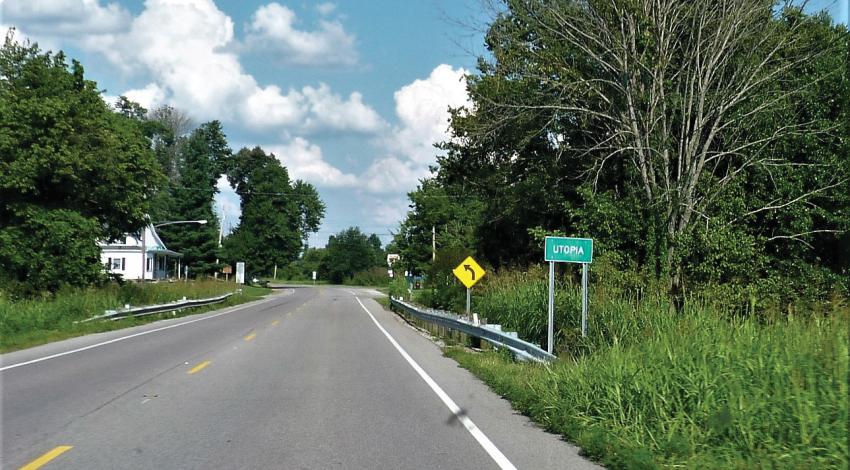
Communes, seeing how they are often made up of individuals who possess a similar innate trait (generously called “self-interest”), always fail.
The first Utopia
In the 1830s, our still-new republic was a land of religious chaos. New denominations arose and populist movements formed as some folks grew disillusioned with the status quo or frustrated by economic woes.
It was with that as the setting that French philosopher Charles Fourier’s views on communal living began to gain popularity: that everyone should share equally in both the work and the wealth of a community. Fourier-inspired communes called phalanxes began to spring up from New York to Texas.
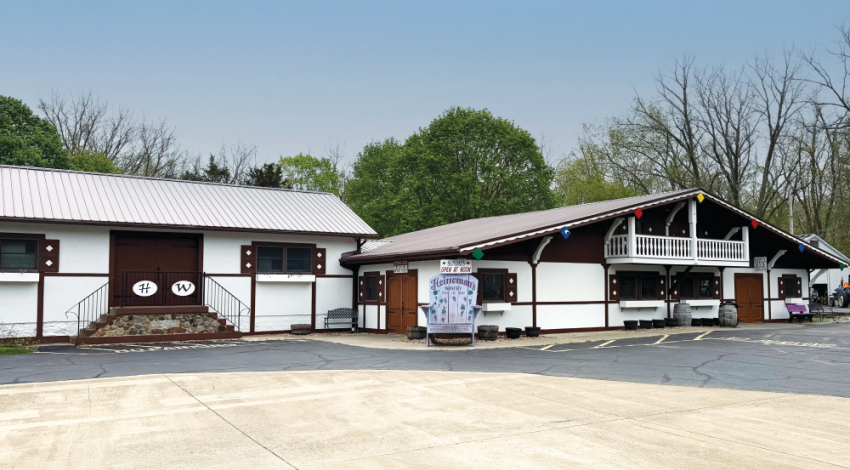
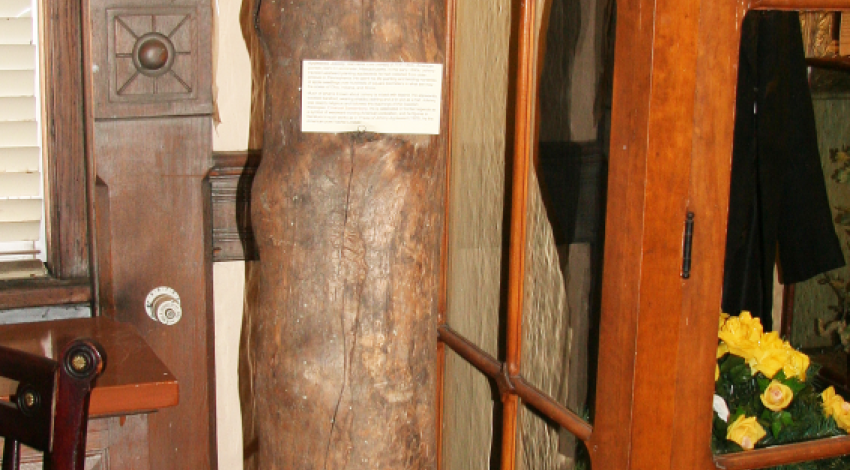
Standing in a dusty corner of the eclectic Memorial Museum in Mansfield is part of a tree trunk, dark with age, measuring about 8 feet long and a foot wide.
Chapman had always been drawn to the woods and wilderness, intrigued by Native people, wildlife, and the many medicinal plants the vast forests provided. A kind, gentle, religious man, he was also a born storyteller. And he respected all animals, both domestic and wild — he was never known to have carried a weapon. Historian Henry Howe, who traveled Ohio during the early 19th century, while Johnny was still alive, even related this story:
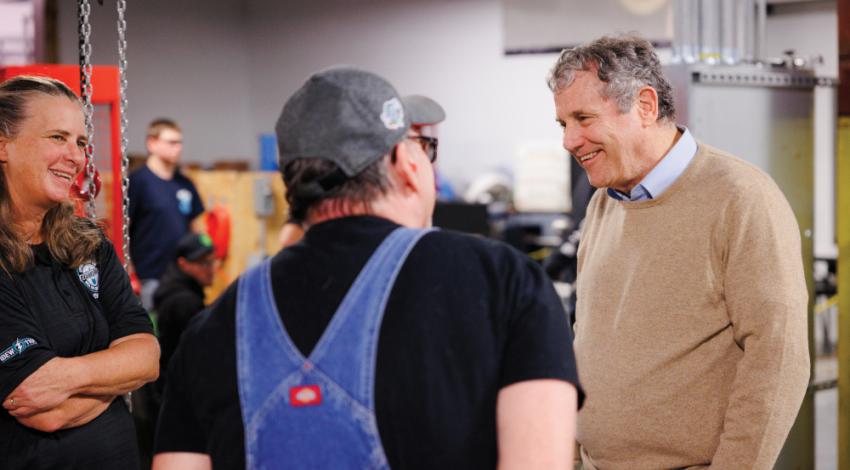
Ohio’s rural communities are shaped by wide open spaces and deep local ties, by multi-generational farms and innovative small businesses. They’re connected both by a common desire to succeed and by the services and infrastructure that keep daily life moving.
Governor
Two candidates who have never held elected office face off for governor, as Republican Vivek Ramaswamy takes on Democrat Amy Acton.
OHIO COOPERATIVE LIVING: What will be the issues of highest priority for your administration?
