Editor’s note: Port Clinton-based photographer and writer James Proffitt traveled hundreds of miles between countless railroad crossings on Ohio’s highways and back ro
To be certain, spray-painting railcars is illegal and dangerous. Most graffiti is born near rail yards in larger cities, like the Queensgate yard in Cincinnati, where the cars are plentiful and often don’t move for long periods of time.
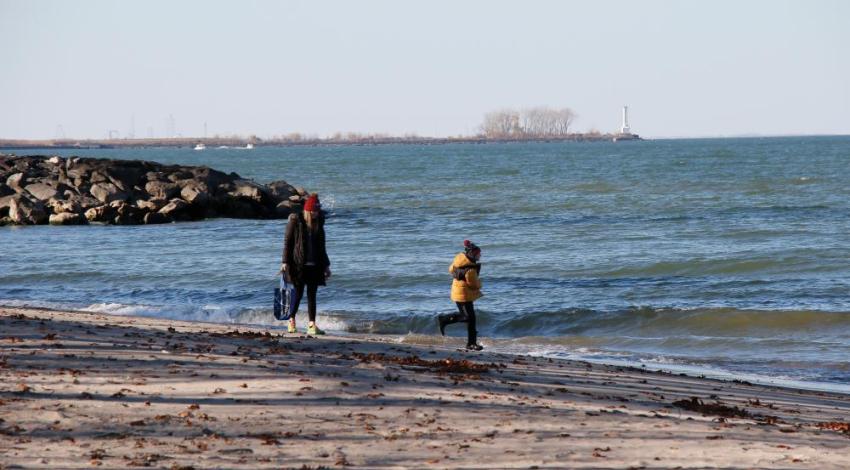
If you enjoy water paddle sports such as kayaking and canoeing, but would rather not deal with the challenges and dangers of whitewater rapids, I have just the place for you.
Kerns grew up in a suburb of Columbus, and says she had an intense interest in the outdoors, even as a kid. “I took a summer course in marine biology during high school, and that experience really helped guide my future undergrad and postgraduate studies and ultimate career path,” she says.
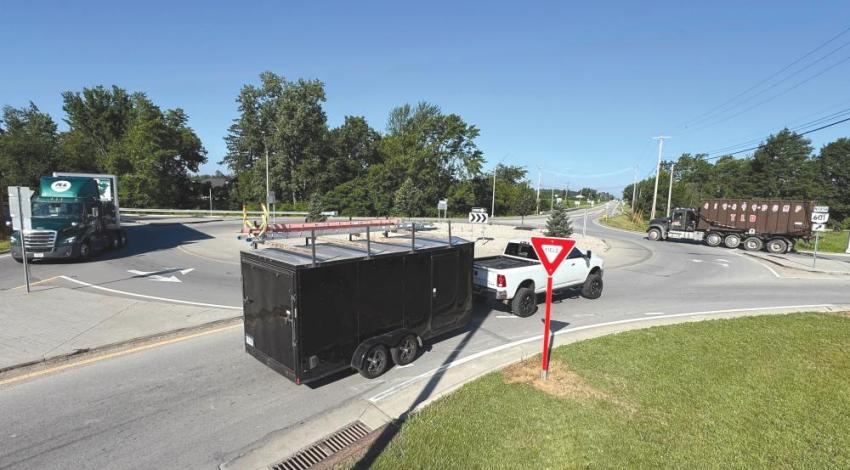
Marblehead resident Cathy Bertovich has been driving Ohio roads for more than 50 years, so when she talks about new roundabouts recently constructed in Ottawa County, hers is certainly a voice of experience.
Bertovich notes that the approaches to the new Ottawa County roundabouts — at an exit ramp from Ohio Route 2/53 and an adjacent one at the intersection of Route 53 and East State Road — are posted 15 mph, but some drivers speed through, which throws off the rhythm for incoming traffic. “And then sometimes people come to a complete stop when someone’s coming around or even when there’s no traffic coming,” she says. “I’ve seen four or five cars backed up coming off Route 2 where people have stopped at the roundabout when they didn’t need to.”
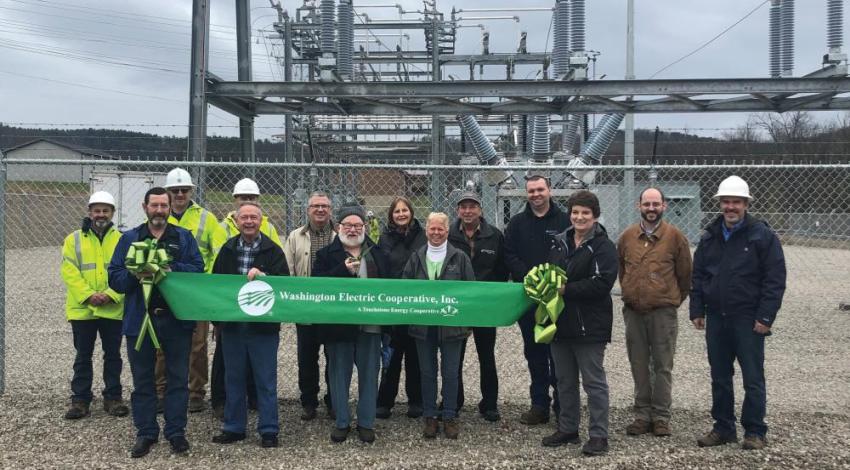
Larry Kelly remembers a time, from the late 1990s into the mid-2010s, when any strong wind could cause him to lose power at his home near Graysville for a couple of hours — or longer.
Kelly knew that personnel from his co-op, Marietta-based Washington Electric Cooperative, were doing everything they could to provide reliable power for him and all of his neighbors in that area of Monroe County. The problem was that many of the outages were occurring before electricity even reached the co-op’s substations.
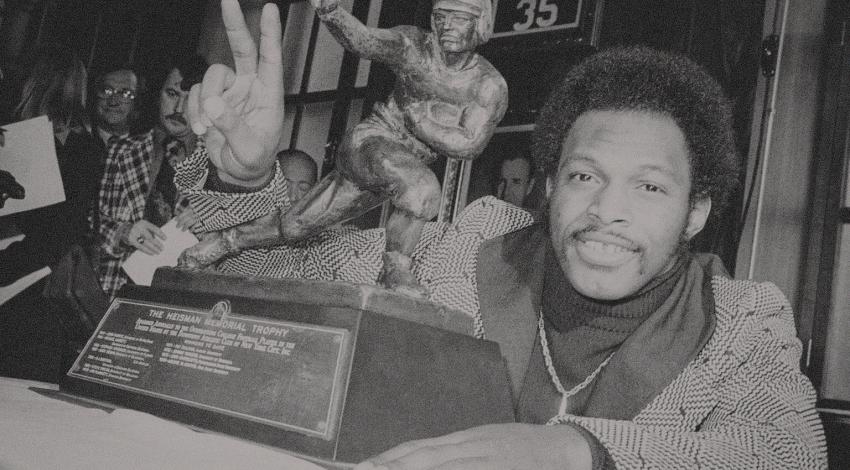
Most college football fans in the Buckeye State hear the word “Heisman” and think immediately of the six Ohio State University players who have won the sport’s most prestigious award — most notably, perhaps, of Archie Griffin, still the only player to win the Heisman Trophy
John W. Heisman himself, the renowned innovator and Hall of Fame coach — the award’s namesake — was born in Cleveland in 1859. And though he grew up in Titusville, Pennsylvania, and played football for Brown University and the University of Pennsylvania, his first coaching jobs were at Oberlin College in 1892 (a season in which the Yeomen beat Ohio State not once but twice, by a combined score of 90–0) and Buchtel College, which is now the University of Akron.
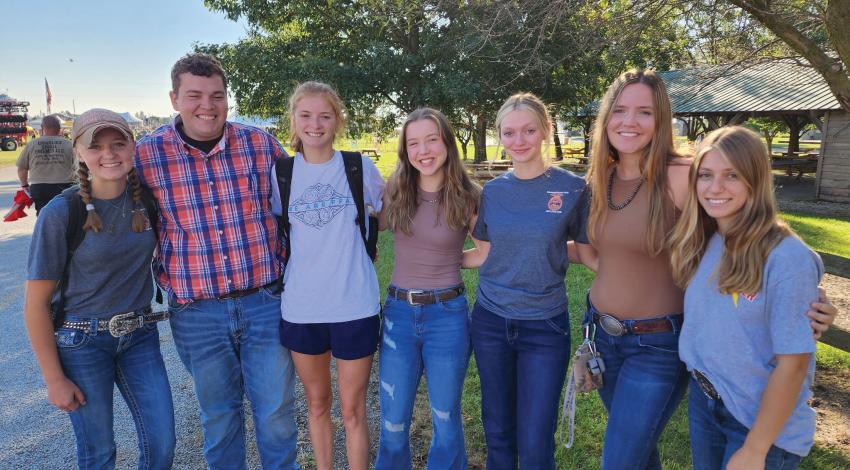
For Abbey Garland, the combination of agriculture and electric cooperatives has shaped not just her interests, but also her future.

Abbey has spent much of her life discovering, through an agricultural lens, how leadership and service can work together, and she says the co-op has been instrumental in her personal and educational development.
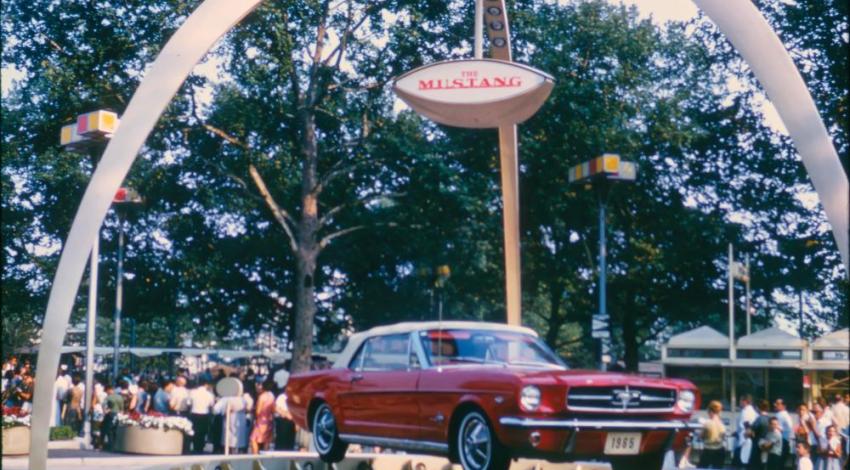
Most people who casually drive past the (mostly) nondescript white barn along U.S. 40 in rural Miami County have no idea about the automotive history displayed inside.
In truth, Halderman never envisioned a full-blown museum on the family farm near Tipp City where he grew up, says Karen Koenig, Halderman’s daughter, who is now the curator. After he retired from the Ford Motor Company in 1994, he merely wanted to display some Mustang and other Ford memorabilia in his man cave at one end of the barn. He enjoyed greeting visitors there and sharing stories about his career designing cars until the day he died in 2020.
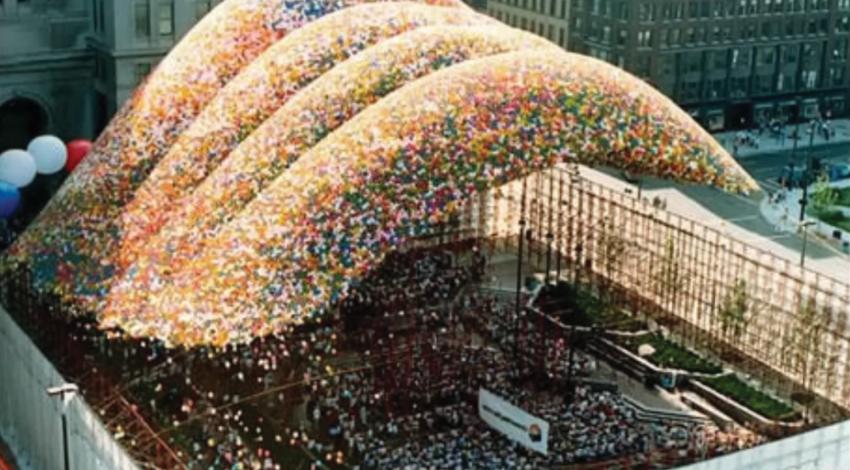
The 1980s were tough economic times for Cleveland, the Buckeye State’s second-largest city.
They ultimately decided on a balloon release. But not just any balloon release; they wanted an event on a grand scale. The aggressive goal was to simultaneously release 1.5 million helium-filled latex ballons, setting a new world record that would be recorded in The Guinness Book of World Records.
Organizers went all-out for what was dubbed Balloonfest ’86. They hired noted Los Angeles businessman Treb Heining and his company, Balloonart by Treb — still fresh from the successful release he had put on for the 1984 Summer Olympics in L.A. — to put on the event.


Farming has long been the backbone of Ohio’s economy. Even if you don’t farm today, you likely have friends or family who do, or ancestors who once did.
Ohio’s electric cooperatives have a long history with the farming community. Years ago, rural residents (many of them farmers) worked together to bring electricity to their homes and towns, changing life in the countryside forever.