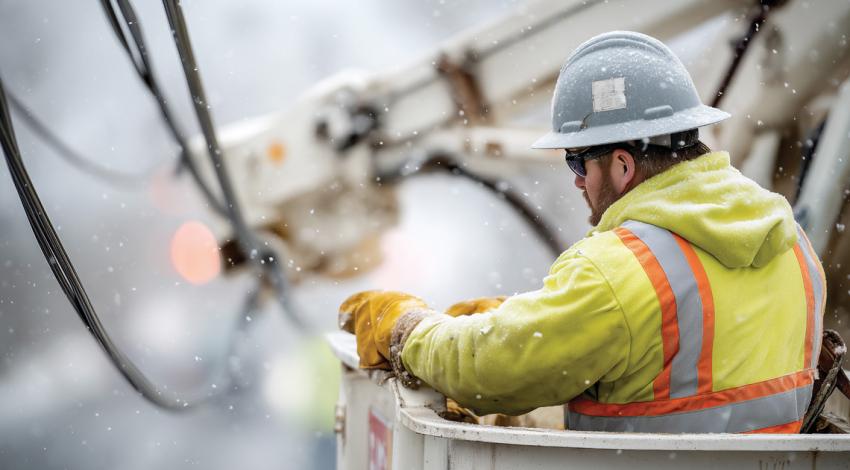
April is a month that naturally invites reflection. As seasons begin to shift and routines change, it gives us an opportunity to pause and recognize the people whose work often goes unnoticed, but whose impact is felt every single day. For electric cooperatives, April 13 holds special significance because it’s Lineworker Appreciation Day — a time to recognize those who keep our electric systems running through every challenge.
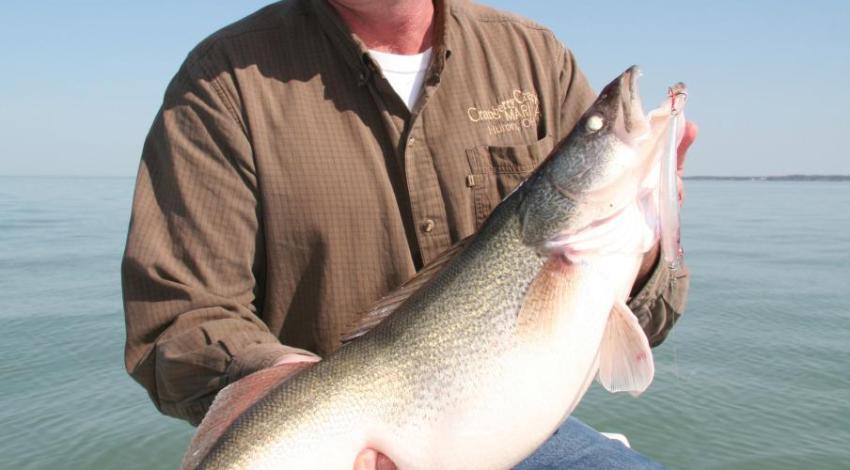
Even with more than 11 million people living within its borders — some 282 folks per square mile — our state is still known nationally for its excellent sport hunting and fishing opportunities, particularly for wild turkeys, Lake Erie walleyes, and white-tailed deer.
Just as amazing, however, are the staggering odds that individual wild animals face to survive to adulthood in our modern environment. Take the wild turkey, for example. Joe Hutto, author of the 1995 book Illumination in the Flatwoods (which was made into a PBS TV special, My Life as a Turkey), put it this way:
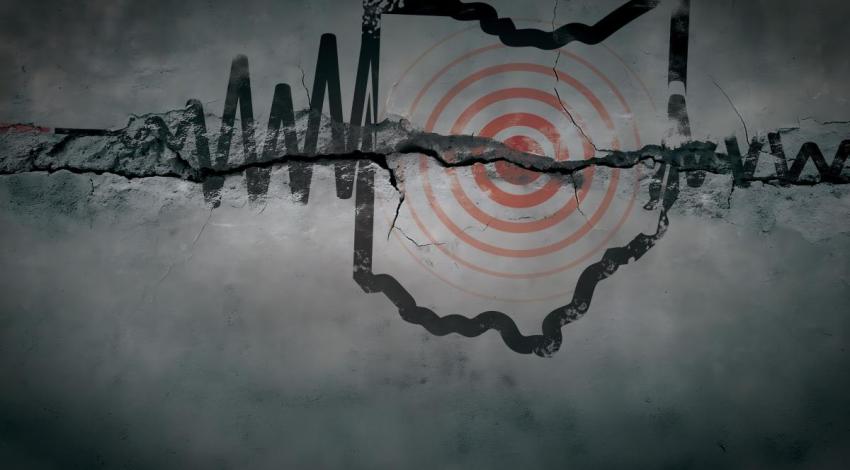
The early hours of February 22 were typical for a Sunday morning in rural Highland County.
“Over long periods of time, small changes in stress in the earth can tip a fault over the edge,” Brudzinski says. “How many cocked guns are left and how many faults are really primed? There is no way to know; we really can’t anticipate when and where they will occur. Our ability to forecast earthquakes is not great.”
While Hillsboro may have been the site of the most recent shaker, Brudzinski says that Anna, a town of 1,500 people between Dayton and Lima, is the earthquake epicenter of the Buckeye State.
Brandie Hale never imagined that she ever would be any kind of an activist. As a self-described introvert who doesn’t like to talk — especially to large groups — it’s just not the kind of thing she’d put her energy into.
“Safety is everything, something that can affect our lives every single day,” she told the crowd. “I definitely don’t like to do this kind of thing, but I will do it forever if it can keep one other family, one other person, from having to live what we live now.”
Pride and joy
Brandie’s oldest child, Blake Rodgers, was born March 25, 2000, and even before his first birthday, he had learned to climb steps and could even climb up onto furniture. As he grew up, he excelled at football and baseball and at being a big brother.
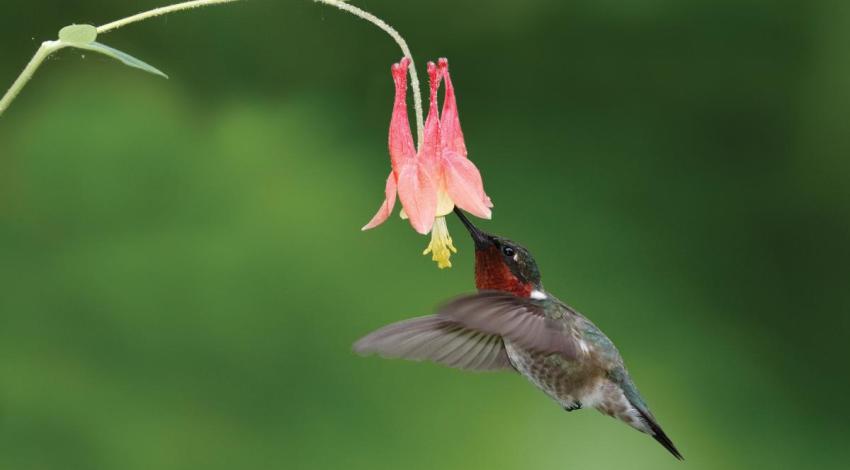
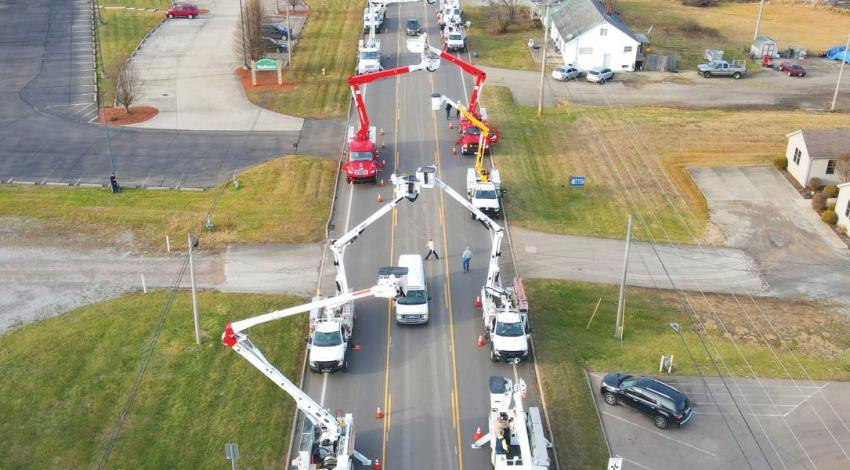
Imagine taking a statewide road trip only to find every highway restaurant, hotel, and gas station closed. For a traveler, being tired, hungry, and in danger of running out of gas makes the journey difficult, if not impossible.
One way humans can help is by planting a pollinator pathway, creating an environment where those farm and garden helpers don’t have to work so hard just to get by.
A pollinator pathway is a grouping of native, diverse plants that help beneficial insects and birds survive in developed areas. Made up of plants that bloom in succession, they provide corridors of food and shelter from spring to fall. Typically located along roads, sidewalks, and yards, these pathways provide different landscapes needed to create bridges between habitat areas that might be too far apart otherwise.


When people consider renewable energy sources, many people tend to look up. Solar power, after all, is a common choice for someone looking to go green or potentially save money on electricity.
“People choose geothermal for the environmental benefits and to save money,” says Tim Litton, director of marketing for WaterFurnace, an Indiana-based geothermal system manufacturer. “Geothermal is twice as efficient as any traditional heat pump, which means people can save more money on heating and cooling.
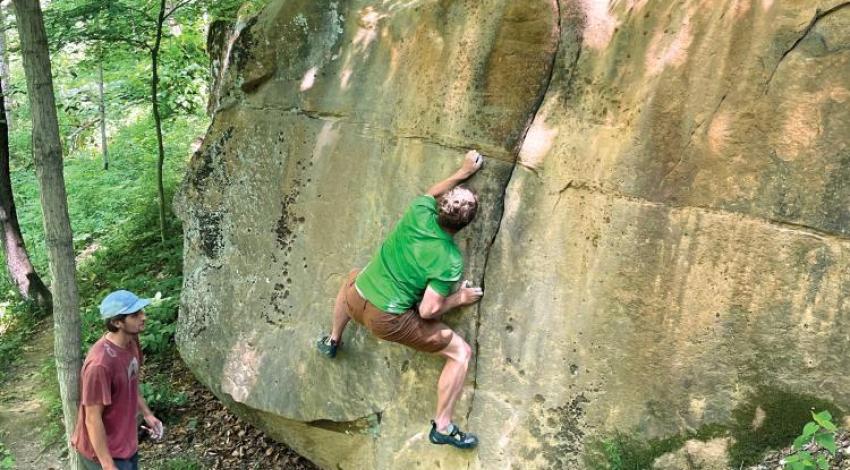
Ted Welser, a professor in the Department of Sociology and Anthropology at Ohio University, focuses his academic research on “the intersection of digital social systems, organizations, and social change.”
“Climbing combines physical activity — a sportlike activity — with a meaningful cultural experience,” he says. “It’s a reason to travel and experience new places. I’ve spent hundreds of days climbing in Ohio, Kentucky, West Virginia, and Alabama, traveling to places that are remote. I’ve enjoyed meeting people there who are climbers and not climbers.”
Shortly after he earned his PhD in sociology from the University of Washington, he and his wife, Laura Black, moved to Athens with their two kids to be professors at OU.

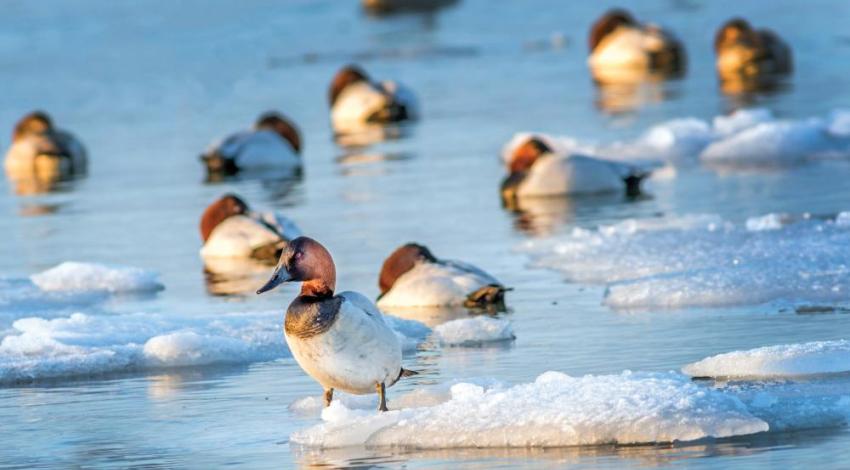
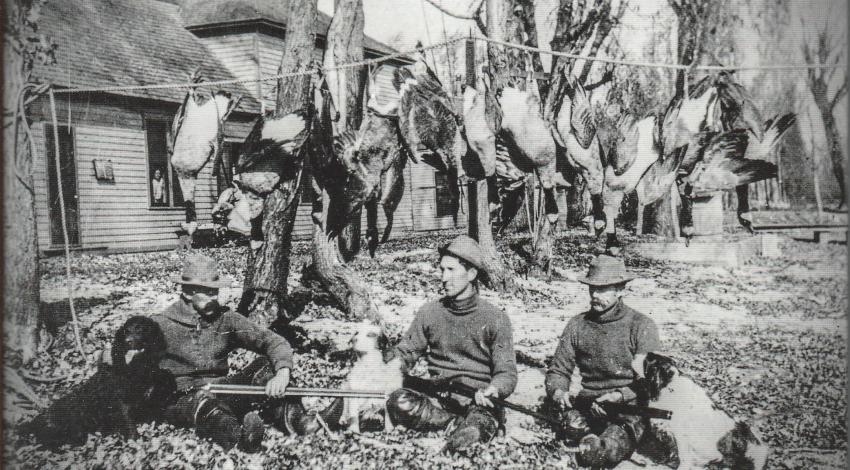
Decades ago, when I was a much younger man, I was a serious waterfowl hunter.
Large, handsome, fast-flying birds, canvasbacks were not exactly numerous during those years, but they were plentiful enough to be considered fair game. No matter how hard we hunted, however, we never bagged a single one.
I retired from duck hunting and sold the boat decades ago, but in truth, I never totally lost the desire to bag a “bull can,” as hunters call the male (or drake) canvasback. Recently, I realized that I’m not getting any younger, and I decided that if I’m ever going to do it, I should probably do it soon. And I knew exactly where to begin my “hunt.”