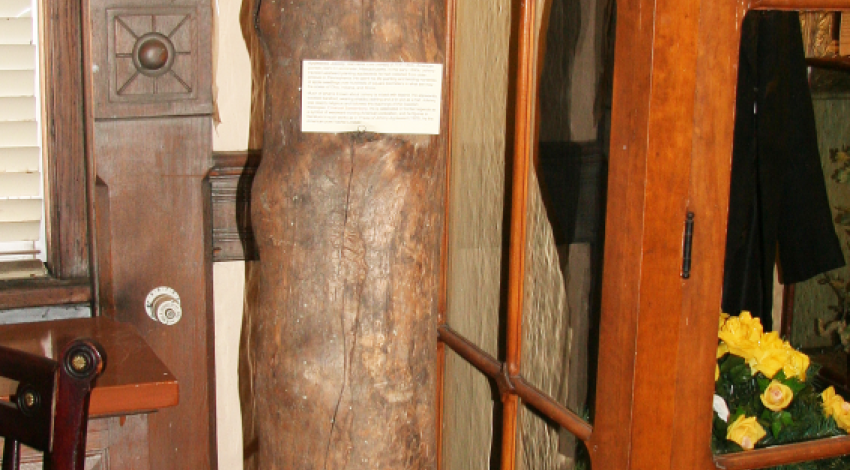
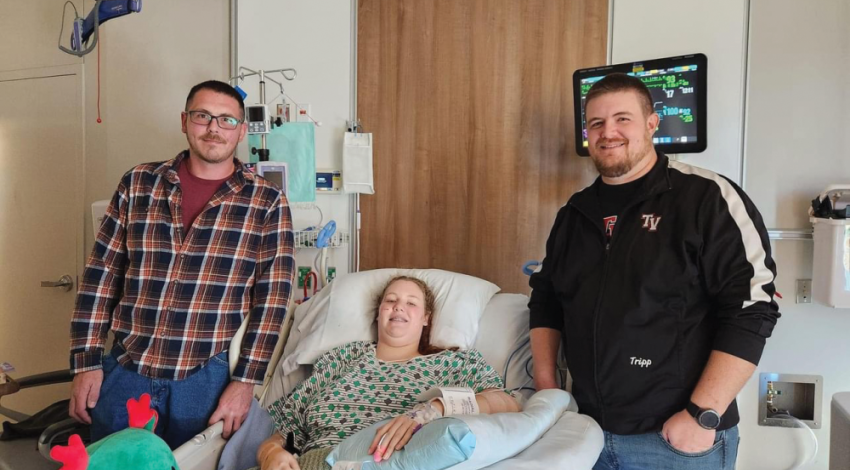
On the morning of November 14, 2023, 16-year-old Brynn Goedel was in great spirits, traveling on a charter bus with fellow band members, teachers, and chaperones from Tuscarawas Valley Middle-High School.
That stuck door saved Brynn’s life, says her mother, Danielle Goedel. Brynn was standing in the aisle when a semi-truck loaded with batteries plowed over an SUV and slammed into the back of the bus, obliterating the bathroom she had been trying to enter. The collision threw her forward and ignited a massive fire. When Brynn came to, she was surrounded by flames; the bathroom door was on top of her and she was unable to move. Eventually, the band director and a good Samaritan pulled her from the bus as batteries from the truck continued to explode.
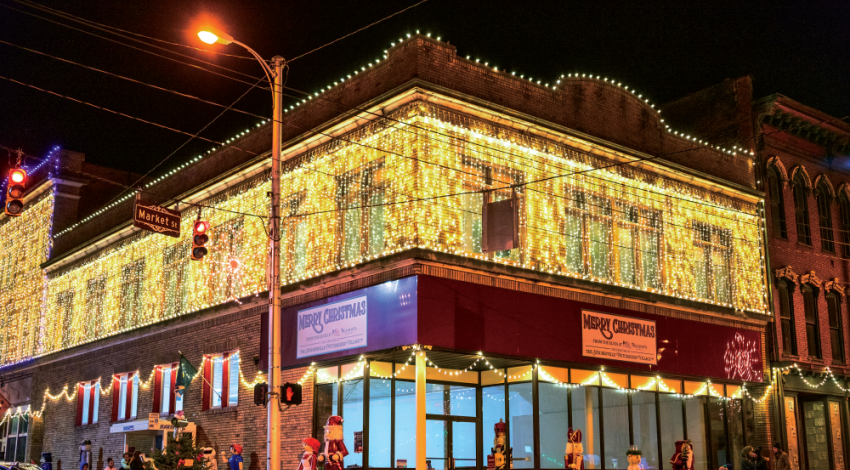
The idea first came to Steubenville business owner Jerry Barilla in 2015, when he thought that the sight of empty storefront windows deterred folks from coming to the downtown area to do their Christmas shopping.
Visitors to the Nutcracker Village encounter just about any character they could imagine in nutcracker form — from whimsical storybook heroes and cartoon characters to real-life movie and television stars; from historical legends and religious leaders to first responders and service members from the various branches of the military.
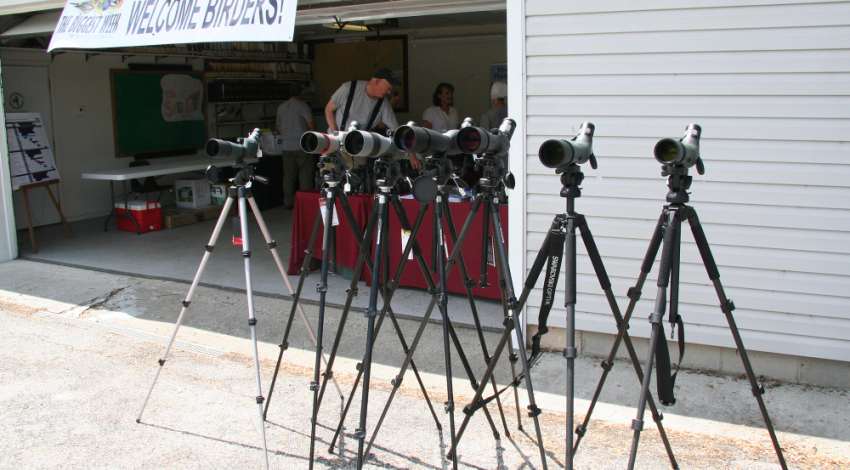
If you know someone who’s really ready to raise their birding game in 2026 (even if that someone is you), a spotting scope might be just the thing.
“We began as a small gift shop and watch-repair business in 1976,” says Hershberger, who owns the shop. “So next year will be our 50th year in business. We always had a few pairs of binoculars for sale, and I began birding when I was a teenager, so the optics side of the business grew out of that hobby. Today, we carry 18 brands of optics, with 200 to 300 pairs of binoculars on display, and 20 to 30 spotting scopes, as well as telescopes for stargazing.”
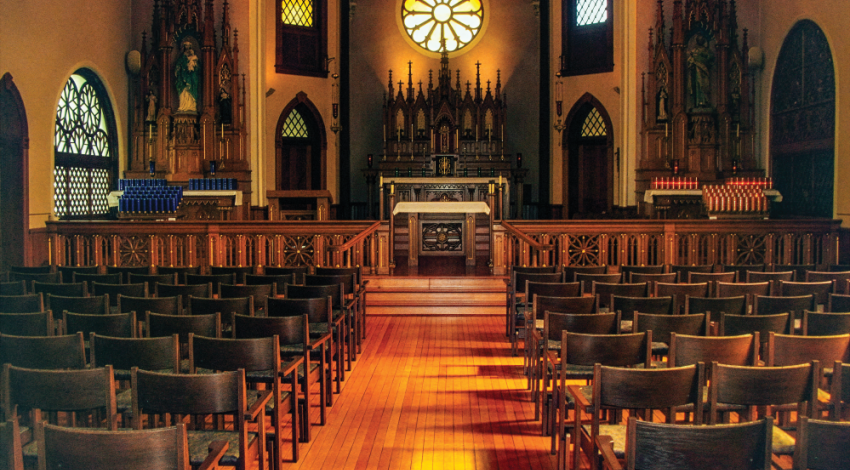
When Francis de Sales Brunner, a Catholic missionary priest from Switzerland, first came to what is now Mercer County in the mid-1840s, one of the substantial number of religious artifacts he brought with him was a depiction of a miracle in which the Virgin Mary is said to
His original collection, expanded through acquisitions and donations over the years, has grown into one of the largest collections of holy relics in the country, and today, the Maria Stein Shrine of the Holy Relics draws visitors from around the world to pray and reflect among more than 1,200 documented pieces displayed in a series of three hand-carved wooden altars and assorted glass cases.

December is a special time of year. The days may be shorter and colder, but there’s a lot to like. College and pro football start to get really interesting as rankings and playoff hopes take shape, and most of us aren’t too tired of the weather (yet). Christmas music can be heard everywhere, and for those of us who love it, especially the deep cuts or new songs just being released, it brings a lot of positive energy to the season. I look forward to discovering new Christmas music each year and love listening to favorites I haven’t heard for the last 11 months.
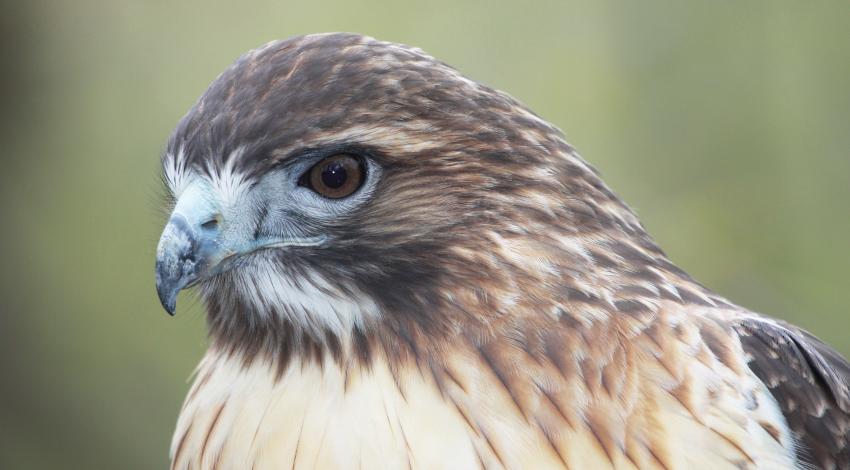
Late one September many years ago, I was visiting Pointe Mouillee State Game Area at the mouth of the Detroit River along the western shoreline of Lake Erie in late September when I looked skyward and saw the most stunning example of fall bird migration I have ever witnesse
The vivid image of that annual autumnal spectacle of migration remains in my mind’s eye yet today. But it has always made me stop and wonder: Why do some raptors migrate, while others don’t?
Got someone on your list who’s seemingly impossible to buy for?
Make shopping simple this season with our tally of treasures sure to be a treat for even the trickiest members of your tribe.
For those who need a getaway
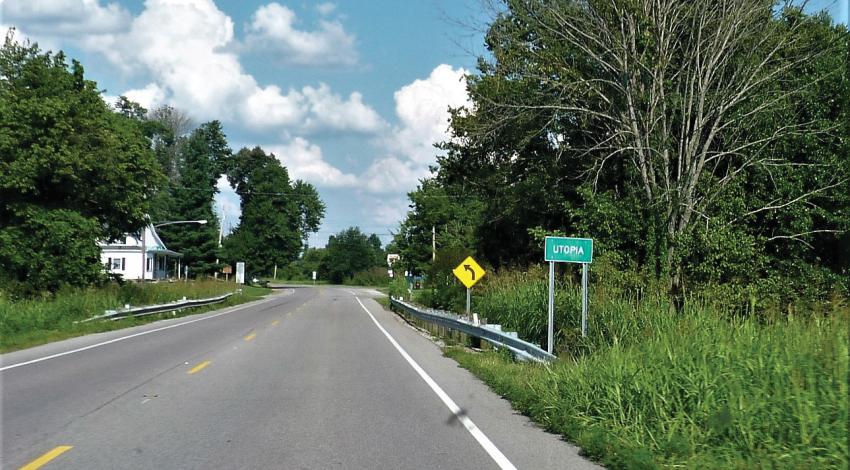
A stay in Utopia
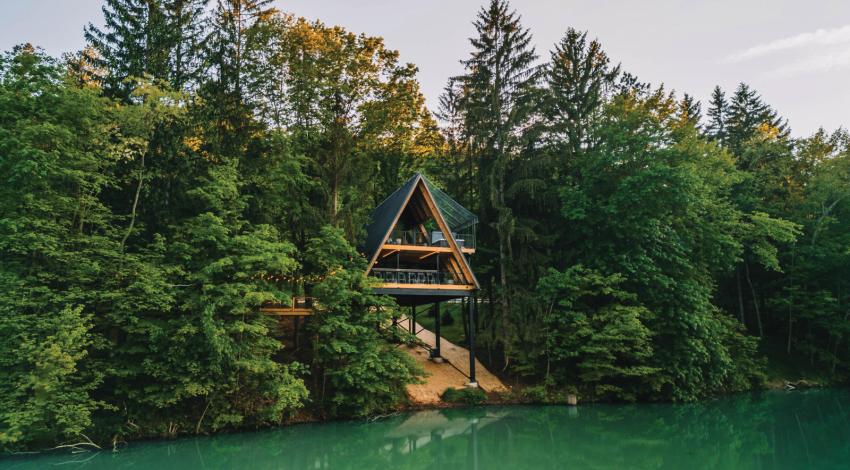
An Airbnb gift card could translate into a stay in the luxurious Utopia cabin at Paradise Lake, a private lake near New Philadelphia in Amish country. Utopia promises a relaxing haven for nature lovers, with peaceful water views as well as opportunities for kayaking, fishing, or simply relaxing by the shore. Utopia boasts two bedrooms, a full kitchen, and a hot tub. Other Paradise Lake cabins sleep as many as 14 or as few as two. All are available year-round.

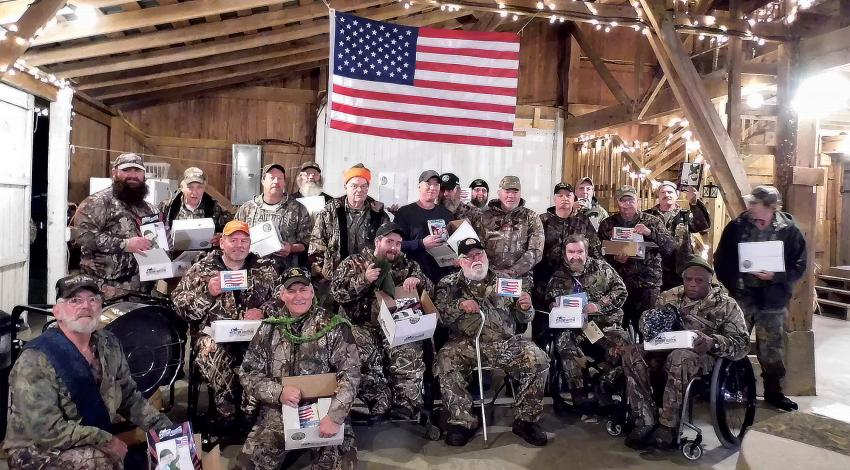
On Veterans Day, many people take time to thank those who served in the military. But for many veterans, the real thanks goes the other way — they are grateful they had the opportunity to serve their country, to be part of something meaningful, to grow as people, and to contribute to protecting the freedoms we all enjoy.
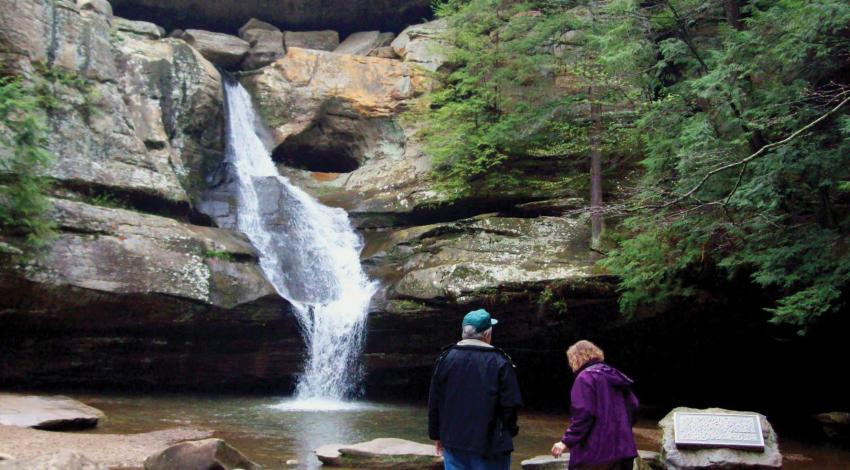
Soon after Zac Loomis and his wife, Lauren, purchased the Inn & Spa at Cedar Falls in February 2019, he asked the chef to tweak the menu at its restaurant, Kindred Spirits, so that every dish would be tree-nut-free.
Flanked on three sides by Hocking Hills State Park, the inn was one of the first Hocking Hills venues to offer guests lodging as well as an on-site fine-dining experience. That not only played a key role in putting the region on the tourist map, but over the next three decades, the inn also grew from a modest, barnlike bed-and-breakfast that original owner Anne Castle founded in 1987 into what is arguably the Hocking Hills’ most iconic — and complete — destination.