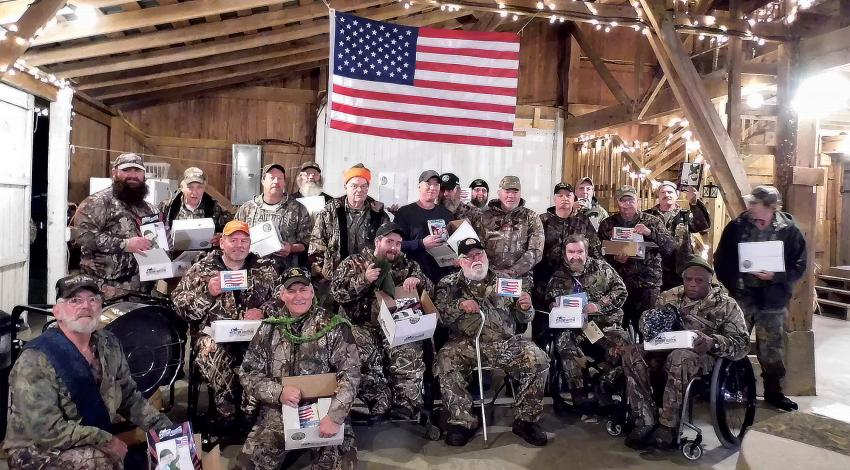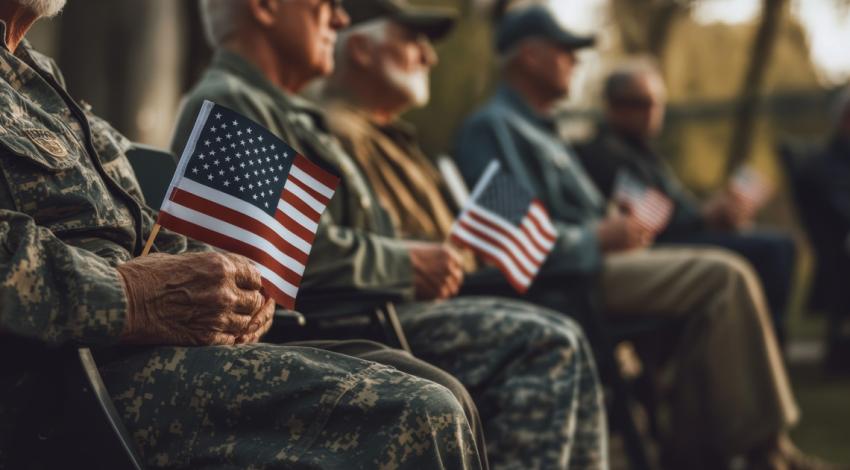
On Veterans Day, many people take time to thank those who served in the military. But for many veterans, the real thanks goes the other way — they are grateful they had the opportunity to serve their country, to be part of something meaningful, to grow as people, and to contribute to protecting the freedoms we all enjoy.
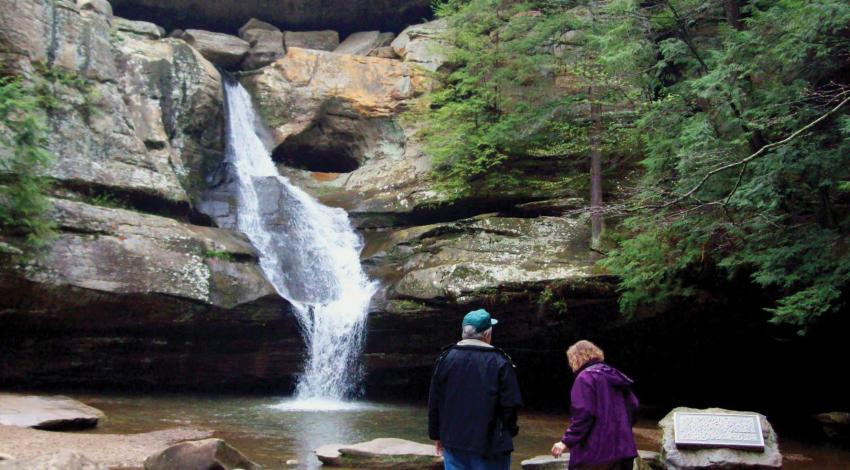
Soon after Zac Loomis and his wife, Lauren, purchased the Inn & Spa at Cedar Falls in February 2019, he asked the chef to tweak the menu at its restaurant, Kindred Spirits, so that every dish would be tree-nut-free.
Flanked on three sides by Hocking Hills State Park, the inn was one of the first Hocking Hills venues to offer guests lodging as well as an on-site fine-dining experience. That not only played a key role in putting the region on the tourist map, but over the next three decades, the inn also grew from a modest, barnlike bed-and-breakfast that original owner Anne Castle founded in 1987 into what is arguably the Hocking Hills’ most iconic — and complete — destination.


In an increasingly digital world, cybersecurity has become second nature to most of us. We lock our phones, use strong passwords, and enable two-factor authentication to protect our personal data. We’re alert for phishing attempts and digital scams that seek to exploit our trust or steal sensitive information. They’re practices that reflect a broader principle: securing what matters.
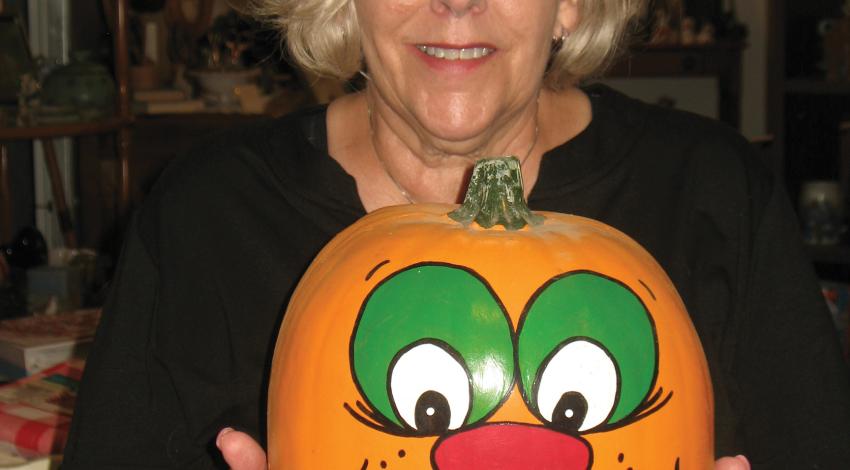
Along busy U.S. 33 in Mercer County, traffic often slows or even stops when drivers catch a glimpse of Karen Elshoff’s roadside stand.
After she read that story, she rounded up all the gourds and pumpkins she could get her hands on and painted them, just for fun. One year, she decided to take a load to a craft show in nearby Fort Recovery and, to her surprise and delight, she sold every single one.
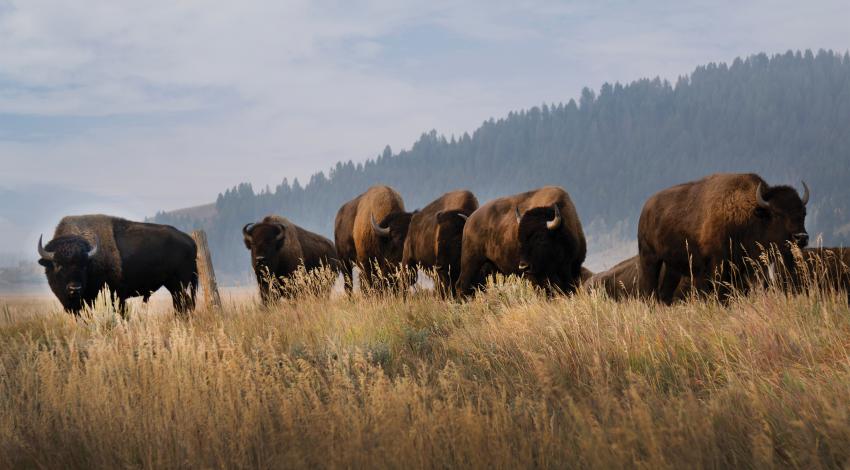
Before the 19th century, wild buffalo (bison) dominated the North American continent — with individual herds covering 400 square miles or more and taking days to ride through on horseback. It’s estimated the bison population was more than 60 million at its peak.
“Buffalo herds in the East were never huge, never teeming, never rivaling the truly vast herds that thundered across the Great Plains until the latter half of the 19th century,” Belue says. “Eastern buffalo herds often numbered 100 head or less, and droves of fewer than 20 were common.”
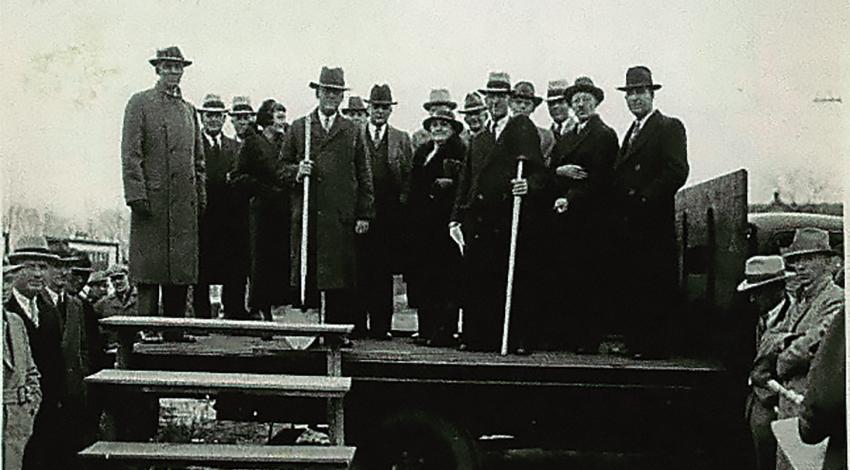
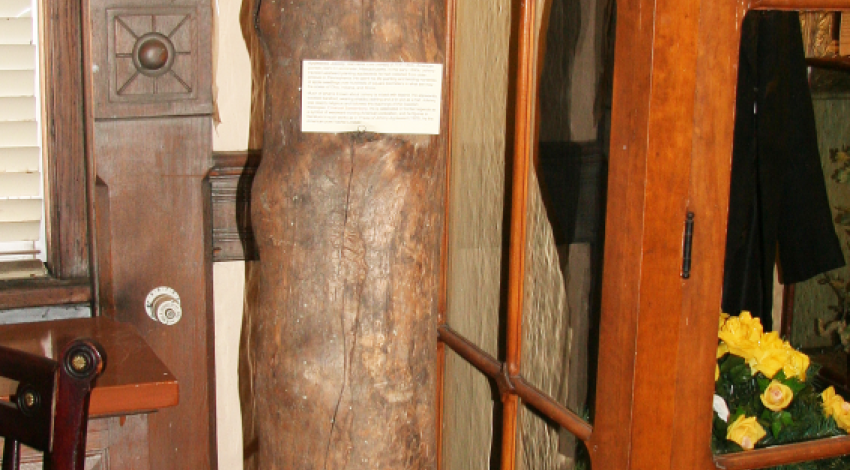
On November 14, 1935, nearly 500 people, including local, state, and national dignitaries, gathered in the shadow of the municipal light plant on the west bank of the Great Miami River in Piqua to watch as a wooden pole was set into the ground.
Joslin grew up in Sidney, and moved to Wyoming after high school to be a sheep rancher. After six years, he returned to Ohio to farm, and in 1917, he helped found the Shelby County Farm Bureau, laying the foundation for cooperative action. Reserved but determined, Joslin became known for his ability to earn trust and get results — he was well known for his mantra, “Let’s get it done” — and in 1935 he was the county farm bureau’s president.
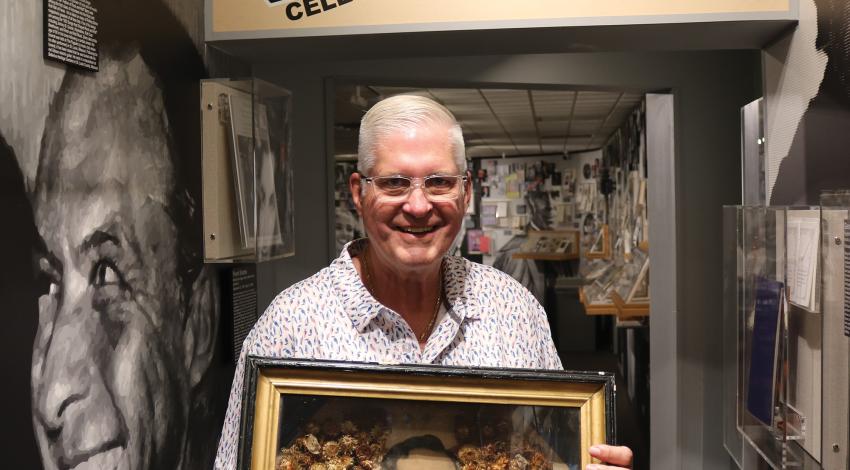
John Herzig was quite pleased with the latest addition to his ever-so-slightly notorious collection.
Higgins later gained fame as the movie mutt, “Benji,” and to Herzig, Inn’s story of a lifetime of rescuing dogs from euthanasia and boarding them until he could find them homes is one that deserves to be remembered. “He supported at least 2,000 animals,” Herzig says. When Higgins eventually died after a long and fulfilling life, Inn gave her funeral, and Herzig has the program.