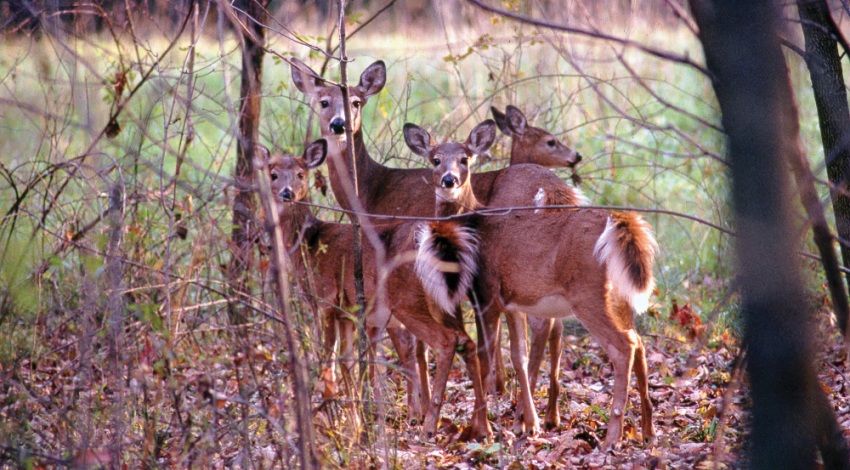
White-tailed deer add an intrinsic value to the landscape — almost everybody likes to watch them.
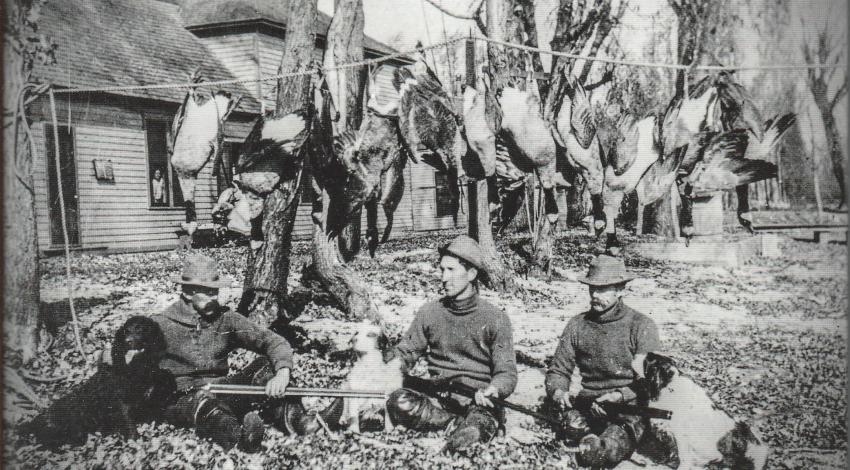
But as forests once again began growing in Ohio during the early part of the 20th century, deer gradually returned along with them, only this time with strict hunting regulations in place to protect the herd. Fast forward to today, and whitetails are so numerous that they are common not only in rural areas but also in suburbs and even large cities.
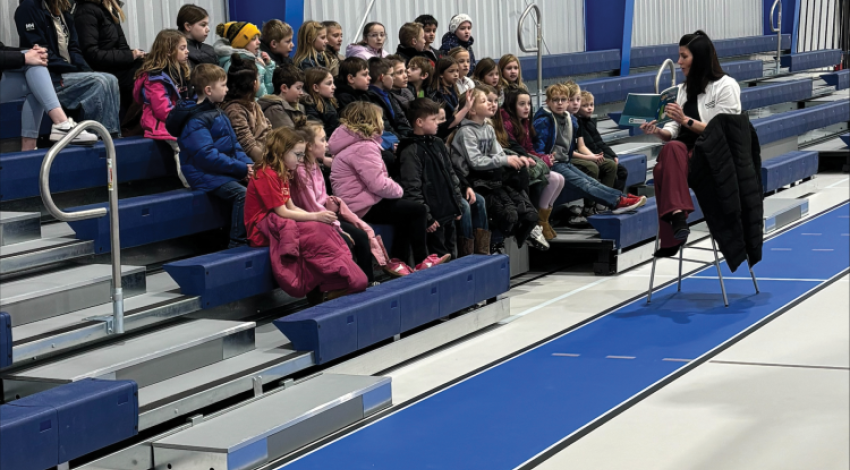
They may not pay electric bills or vote in trustee elections, but even the youngest members are important to electric cooperatives.
Greenville-based Darke Rural Electric Cooperative, for example, has an outreach program for first- through third-graders in local schools. “Safety around electricity is so important,” says Jen Davenport, director of communications and member relations at Darke Electric. “How do we reach everyone with that message? One way is to start early, with the kids, because they’ll always remember those lessons.”
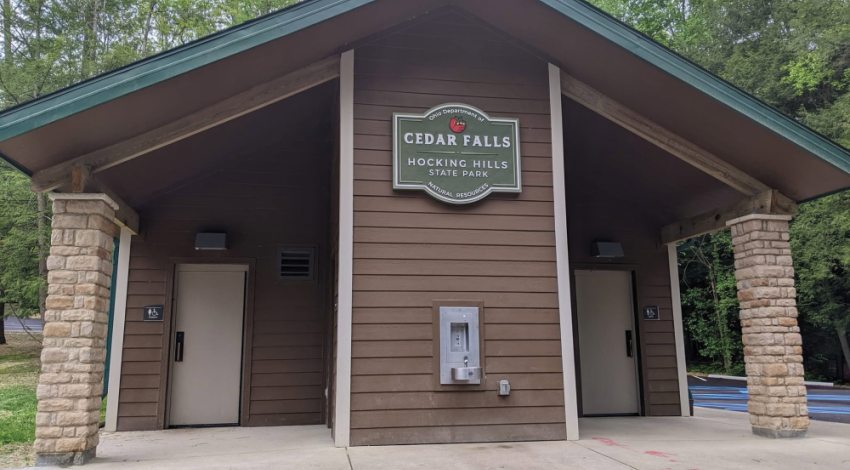
On any given day, Mary Mertz, director of the Ohio Department of Natural Resources, may be called upon to consider issues involving wildlife, campground capacity, hiking trails, or the health of Ohio’s forests.
Ohio State Parks earned the National Gold Medal Award for Excellence in Park and Recreation Management in 2025 — essentially the top honor a park system can earn — but Mertz knows there’s always room for improvement, and she says restroom facilities are low-hanging fruit.
“We want people to want to be in the outdoors,” Mertz says. “Fifty years ago [when many of the facilities were built], people’s expectations were different. Today, people have come to expect a higher level of accommodation.”


Dalton Hesson made his singing debut with a rendition of “Folsom Prison Blues” at the North Star Community Picnic in Darke County when he was 6 years old. He took piano lessons for more than four years and his parents gave him a guitar when he was 12.
Both joined Future Farmers of America at their respective high schools, and both attended the national FFA convention in 2022, where, as fate would have it, both entered the talent competition. Hesson strummed his guitar and sang his way into the top 15; Moore finished third.
Soon, they were Dalton & Delaney, performing at clubs and events with a mix of covers and original songs that span the musical spectrum.
“Growing up, we approached music from different angles,” Moore says. “I’m so glad Dalton came along. What we once did differently, we now do together.”
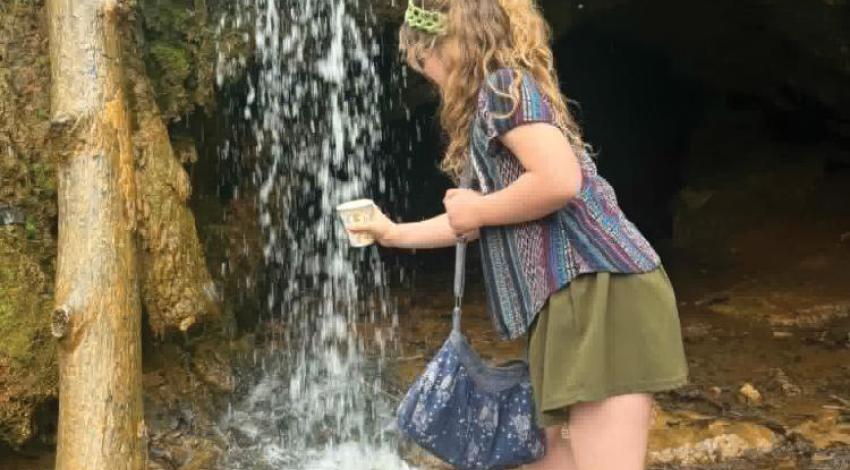
It was a cloudy, misty afternoon that belied the spring season when my children and I arrived at Glen Helen Nature Preserve near Yellow Springs, in search of the nearby town’s iconic namesake.
ACCORDING TO A MAP from the Ohio Department of Natural Resources, most of Ohio’s springs are in the southeast part of the state, with a fair number in central and southwest Ohio as well. Steven Lyon, an associate professor at the School of Environment and Natural Resources at Ohio State University, says they’re driven by the state’s geological history and the prevalence of limestone, sandstone, and shale.


We all live by rules. Rules help keep society orderly. They protect individual rights, and they give families and businesses a fair basis for planning. We make better decisions when we understand the rules and can trust they’re not going to change without warning. The same is true at your local electric cooperative.
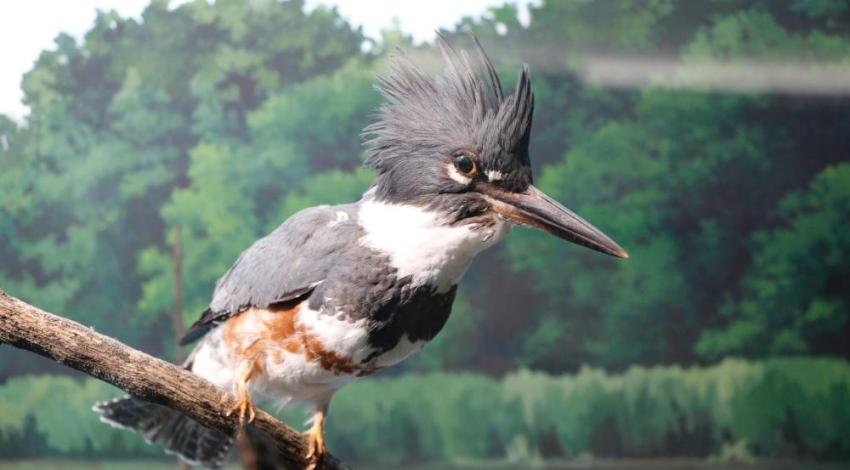
It’s entirely possible I was a belted kingfisher in a former life. The ultimate introverts of the bird world, kingfishers only spend time with others of their kind when raising their young; other than that, they’re fishing.
It’s one of the most intriguing sights in all of nature. Whether from a perch or a hover, the bird folds its wings and drops like a rock, hitting the water with a splash. Within a split second, an opaque nictitating membrane — a kingfisher’s third eyelid — closes horizontally over the eyeball to help protect it under water. The kingfisher doesn’t spear the fish, but instead grabs it between its upper and lower jawbones.
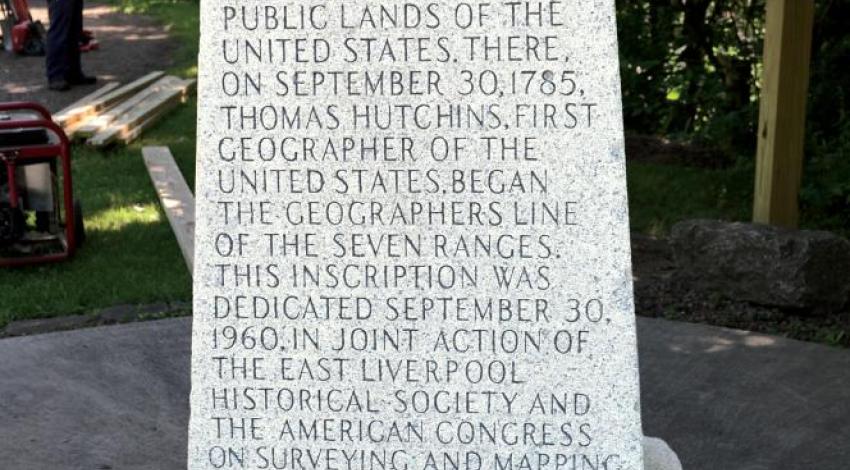
If you’ve ever flown over Ohio and points west, you cannot help but notice the checkerboard of farm fields and woodlots — the corn-and-soybean plaid that’s repeated westward until it finally exhausts itself at the edge of the Pacific Ocean.
In 1774, the Ohio Country was a vast land populated by a host of Native American tribes, and the British Crown wanted to use it as feudal property — owned by the king — where occupants would pay a tribute to live there. A young Thomas Jefferson was having none of it. He penned a pamphlet denouncing the plan — he hated the thought that only aristocrats and kings and churches could own land in America. More on that in a bit.