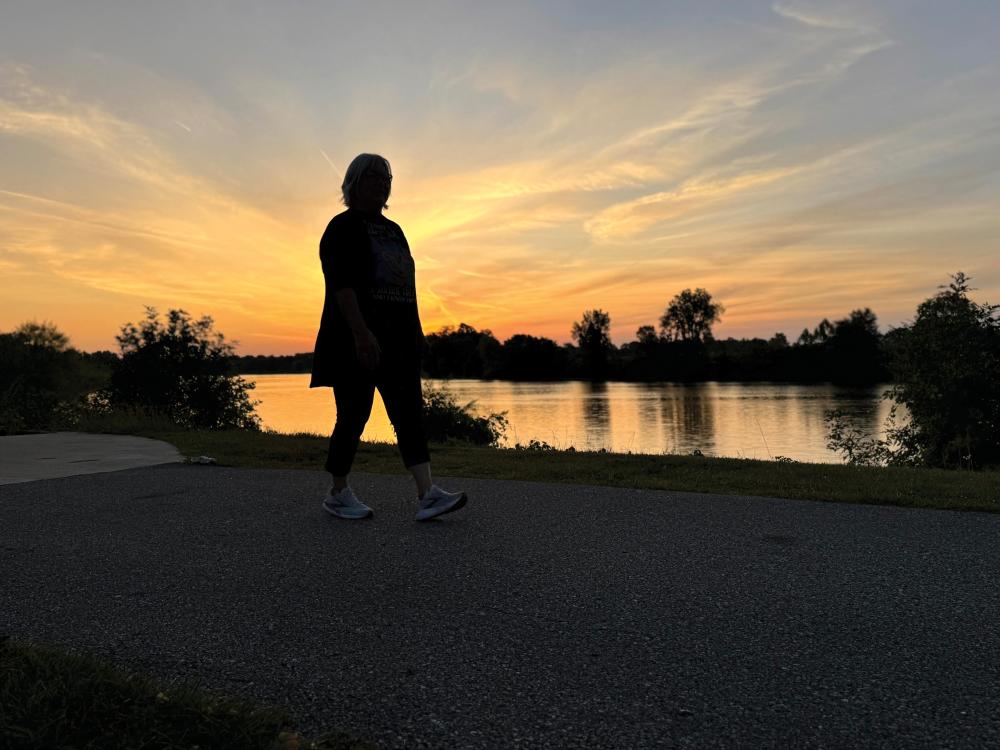
When hikers on a specific path in Ohio — whether tackling miles on a through-hike or heading out for a shorter day trip — enter town, there’s a chance they’ll spot a simple sign: Buckeye Trail Town.
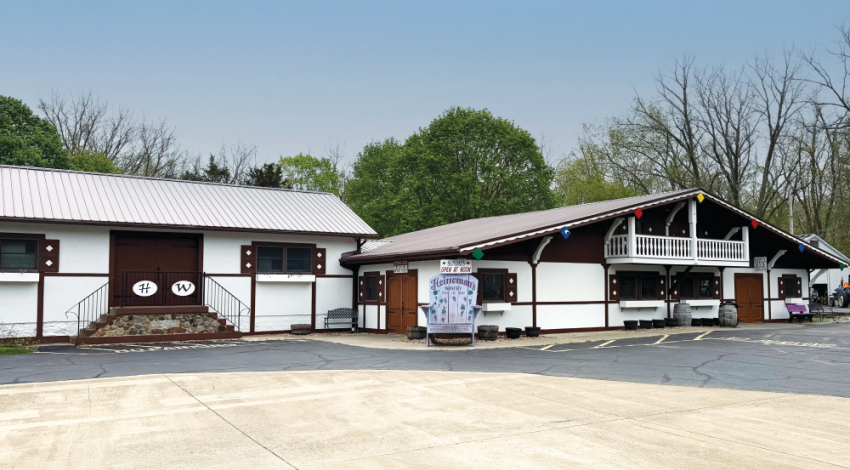
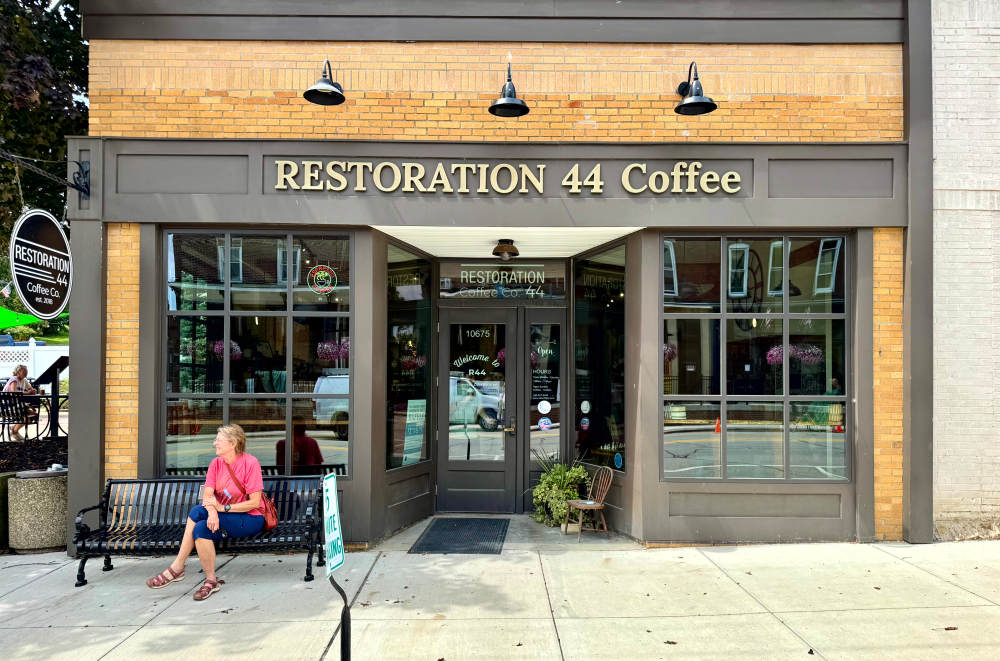
It’s a signal that they’ve arrived somewhere that’s prepared for them. Hikers can count on a Buckeye Trail Town for the basics, like a place to use the restroom, grab food, maybe rest for a bit — but also people and places that can make the journey memorable: a unique ice cream shop, a local bar, a conversation with someone who knows the trail.

As interest in the Buckeye Trail continues to grow, with thousands of followers tracking and sharing their journeys, these towns are becoming destinations in their own right, drawing visitors who might not have otherwise found their way there.
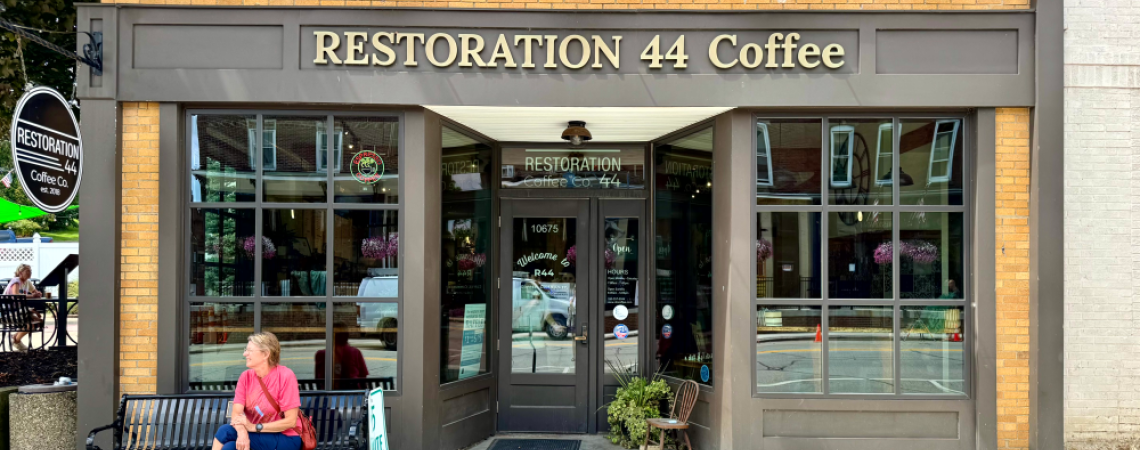

The Trail Town program, launched by the Buckeye Trail Association in 2012, has grown steadily to include communities across the state that can be accessed from the trail. The program is designed to support hikers, but the benefits run both ways. As interest in the Buckeye Trail continues to grow, with thousands of followers tracking and sharing their journeys, these towns are becoming destinations in their own right, drawing visitors who might not have otherwise found their way there.
That reliability creates opportunity for the towns themselves. In places like Deersville, hikers know they can stop at the general store for a scoop of Buckeye Crunch ice cream, with proceeds supporting the trail. In Milford, a visit to Roads Rivers and Trails might mean picking up a T-shirt that maps out the Buckeye Trail alongside the many other trails that pass through town — a visual reminder that this small Ohio community sits at the intersection of a much larger network of trails stretching across the country.
With every hiker who comes to each of the 25 Buckeye Trail Towns, that means business.
Trail towns are rarely in locations with the money for large-scale tourism campaigns.
But the small, consistent interactions — meals, purchases, conversations — add up over time, bringing new people into communities and giving local businesses a reason to invest in the trail experience.
Behind it all is a program that is largely volunteer-driven. The Trail Town initiative is coordinated by volunteers, including Kim Love-Ottobre, the Trail Town coordinator, who works closely with communities as they move through the process from initial interest to designation and beyond.
Even as the network continues to grow, the approach remains intentionally grassroots. Towns typically reach out first, and designation is marked by a public celebration — often a proclamation ceremony that brings together local leaders, residents, and trail supporters.
And that may be the most defining feature of the Buckeye Trail Town program: It’s grassroots from its very roots. Along the Buckeye Trail, the success of the network isn’t measured by how many towns are added, but by how many choose to take part, and the trail magic that happens along the way.