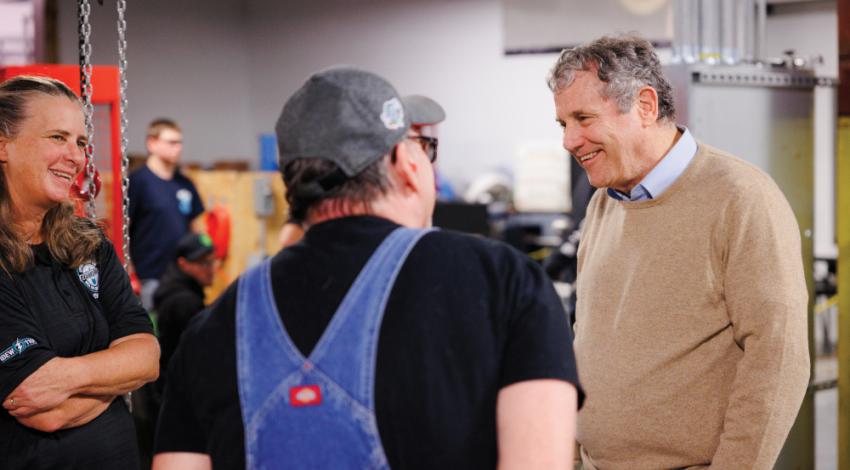
Ohio’s rural communities are shaped by wide open spaces and deep local ties, by multi-generational farms and innovative small businesses. They’re connected both by a common desire to succeed and by the services and infrastructure that keep daily life moving.
Governor
Two candidates who have never held elected office face off for governor, as Republican Vivek Ramaswamy takes on Democrat Amy Acton.
OHIO COOPERATIVE LIVING: What will be the issues of highest priority for your administration?
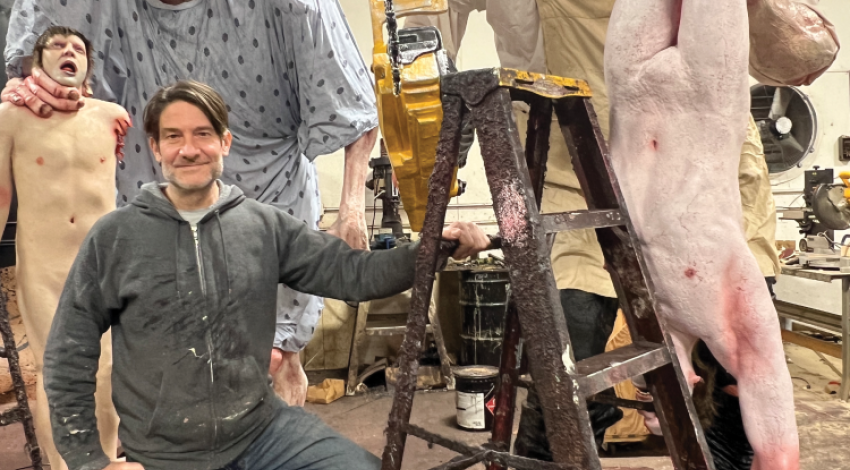
At an otherwise nondescript warehouse on Columbus’ east side, monsters gather. A trio of skeletal pirates shares a bottle of rum. A cluster of men in lab coats, the flesh melting off their faces, conspire in a corner. Frankenstein’s monster stalks amid gutted corpses.
Bruns traces his fascination with the fantastical back to his 1970s childhood in front of the television, watching Leonard Nimoy host In Search Of..., the classic mystery documentary series that explored everything from UFOs to sea monsters. When he saw the original Star Wars — particularly the cantina scene, packed with alien faces unlike anything he’d ever seen — he was hooked.
“That ignited a fire in me,” Bruns says. “I’ve always had an interest in cryptids, UFOs, any kind of unexplained things. I guess it lends itself to this art form.”

The chill in the air every fall signals the end of harvest season, but enjoying your homegrown bounty doesn’t have to stop when the weather changes. There are lots of different ways to preserve all that produce so you can enjoy your garden goodies all the way through the end of the year and turn your cornucopia of crops into delightful dishes for the holidays.
Dry storage
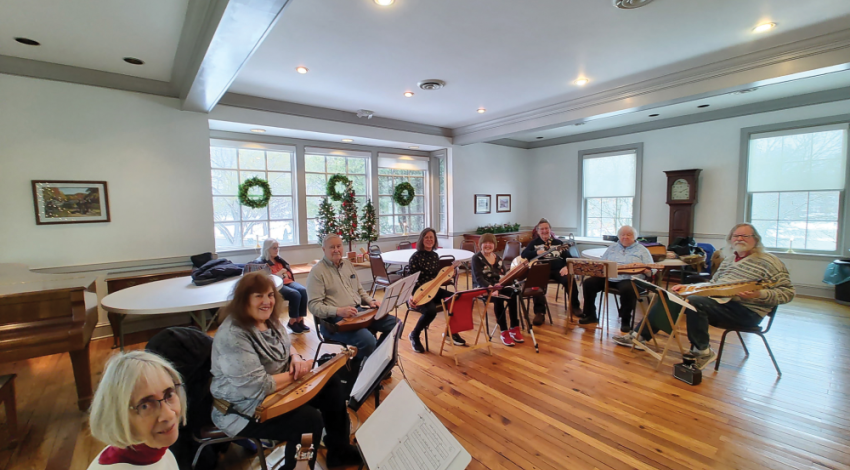
Members of the Coshocton Mountain Dulcimer Gathering know how to draw a crowd. Like the Pied Piper of Hamlin, all they need to do is play their instrument of choice.
Dan Thorson of Coshocton learned about the group in 2018. He already played guitar, but decided to learn the dulcimer when a friend showed him one that the friend had built from a kit.
“The members quickly brought me up to speed,” he says. “We played a few songs and had a lot of fun. I just kept coming back and I thoroughly enjoy every minute.”
Members spend the first hour or so of their bimonthly practices learning one or two new songs. The second hour then inevitably turns into a jam session featuring other tunes in their repertoire.
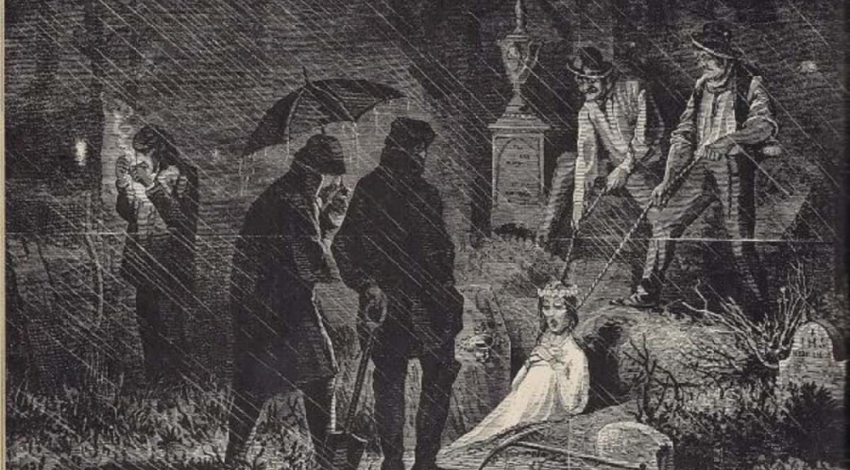
On February 17, 1871, the Ohio State Journal published a letter to the editor describing what the writer said was a dire situation of neglect at the graveyard at the Ohio Penitentiary: “Their bodies are buried by days, to be dug up at night by unforbidden resur
Students enrolled in the departments of medicine at various Ohio medical schools soon discovered the answer to their quandary lay inside the gates of the local graveyards.

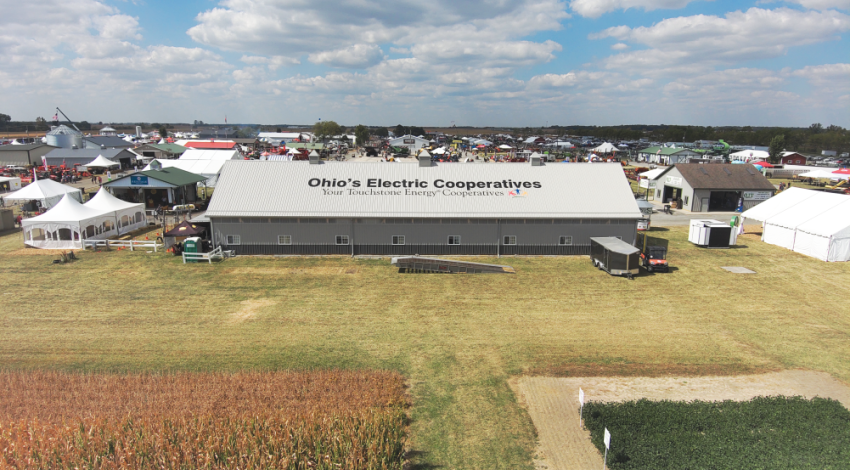
Farm Science Review isn’t just for farmers. Sure, the annual event offers hundreds of demonstration plots, millions of dollars of new farming equipment, and emerging tools and technology geared to professionals.
Farmers are the backbone of many electric cooperatives, and Ohio’s electric cooperatives are proud to play a role each year at Farm Science Review. Looming large on Wheat Street, the co-ops’ building showcases energy efficiency, cooperative information, youth programs, and fan-favorite free popcorn. Inside the building, cooperative energy advisors are available to answer questions about saving energy, and visitors can test their knowledge to win prizes. Outside, lineworkers perform periodic live-line safety demonstrations, conveying potentially life-saving tips.
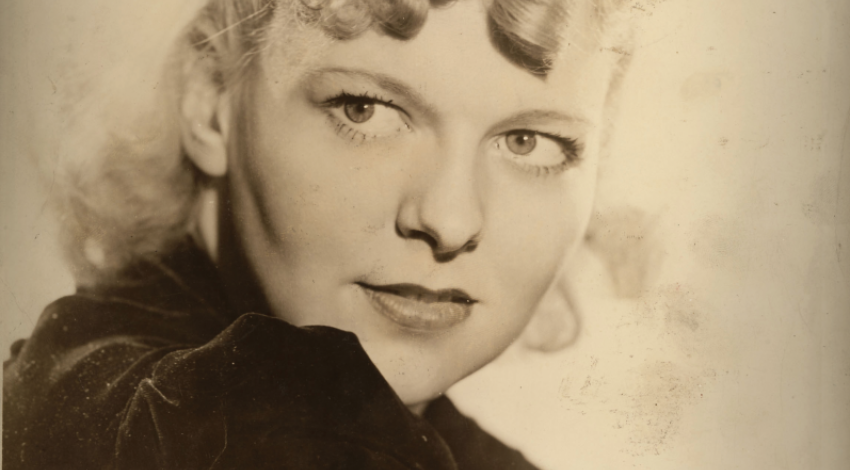
Baaa-DUM, ba-DUM, ba-DUM, ba-dum-dum-dum! Native Ohioans — college football fans and non-fans alike — grow up with that rousing snare-and-brass intro on autumn Saturdays and automatically know what’s coming.
So — now that you’ve got the song ringing in your head — read on for the story of Dorothy Sloop.
Dorothy (known as “Dottie”) was born into a musical family in Steubenville in 1913. “Her grandfather owned a music store, and her father played the pump organ and was the theater organist for silent movies,” says her nephew, Fred Ruland of Marietta.
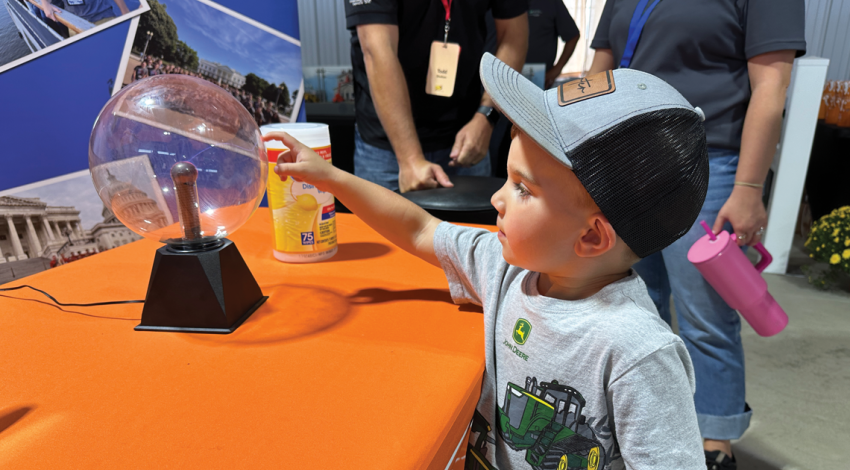
The turn toward fall is a welcome reminder that, even in times of uncertainty, life keeps moving in familiar and welcome ways. School is beginning again, football season is getting underway, farmers are planning for the fall harvest, and those of us who golf keep trying to squeeze in that one more round before the weather freezes us out.

“A lot of the kids say, ‘I can’t draw that well.’ So I make sure to tell them, ‘An artist designed your shoes, your clothes, your chair. There’s an artist behind everything,’” Cowdrey says. “I love those lightbulb moments, when you see them get it.”
Cowdrey has lived in the Knox County village of Gambier for 30 years, where he’s a member of Newark-based The Energy Cooperative — though he tells people he’s been drawing “as far back as I can remember.”