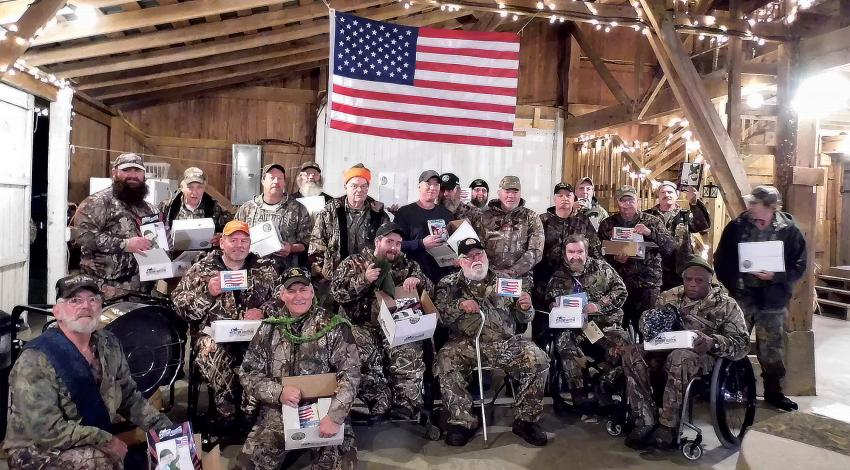
Independence Day is a special time for Ohioans to honor the courage and hard work of our founding fathers, who overcame great struggles to create a nation where values like liberty, personal freedom, and self-governance could thrive. These same values continue to guide how Ohio’s electric cooperatives operate today.

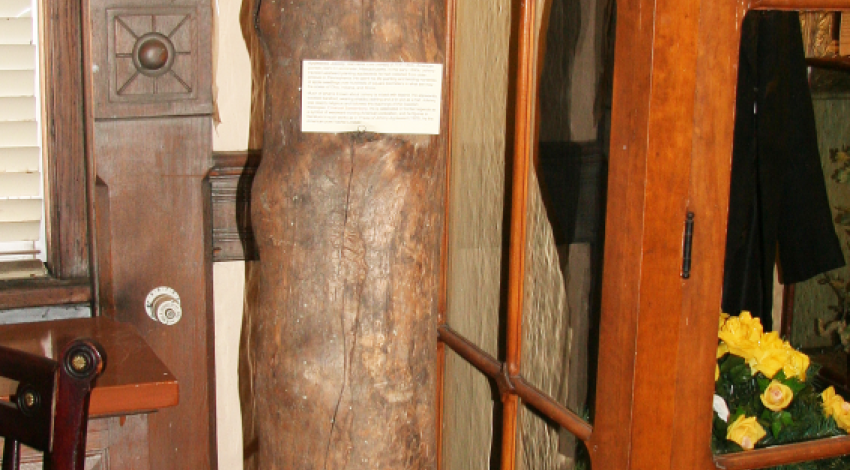
The 21-acre slice of the Hocking Hills on State Route 374, about halfway between Pine Creek and Laurel Run southeast of Rockbridge, has been in Christopher Kline’s family since 1863.
When Kline and his wife, Kris, members of Lancaster-based South Central Power Company, acquired the land, they weren’t sure exactly what they were going to do with it.
“We could cut for timber, but that didn’t seem fulfilling,” he says. Finally, they decided to fall back on what they know. Christopher has a master’s degree in plant biology from Ohio University and served as education director at the Grange Insurance Audubon Center in Columbus. He also was interpretation specialist at Franklin Park Conservatory, where he was known as “The Butterfly Guy.”
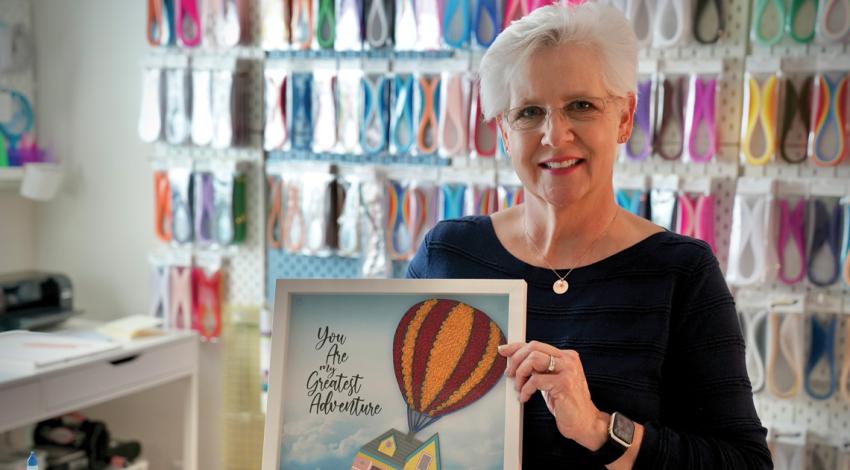
Like many during COVID, Lillian Cooper and her mother, Clarissa, searched and searched for activities to do at home — all the better if they came upon an art form they hadn’t tried before.
Terri Riddle of Loveland, a painter who works mostly in oils and acrylics, got interested in quilling after her husband gave her a Cricut machine, which can cut paper in custom, specialized ways. Riddle had a project in mind, but realized she needed to learn quilling to finish the parts that the Cricut couldn’t handle — so she taught herself.
She finds quilling both satisfying and relaxing. “It’s a very beginner-friendly craft,” she says. “You can do it while watching TV, and the designs can be simple or more complex.”
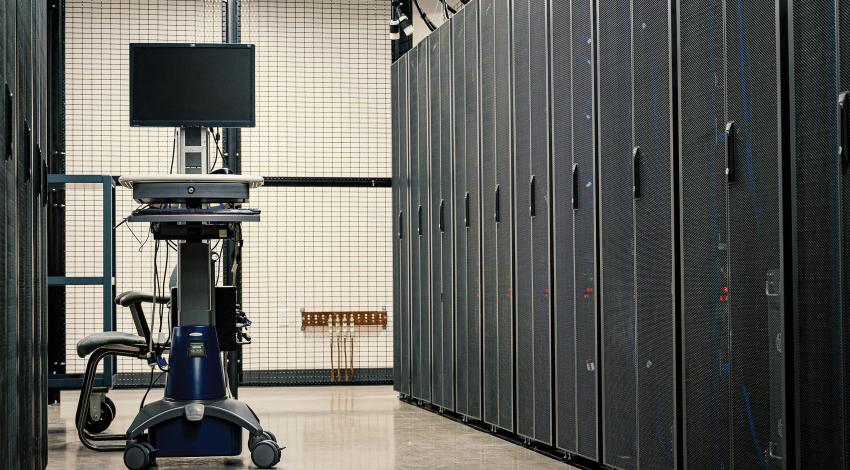
Near New Albany, within about three miles of one another, stand three buildings — modern but rather plain and, but for their size, could even be described as nondescript. But you can hardly overlook the high-voltage power lines that dominate the space next to them.
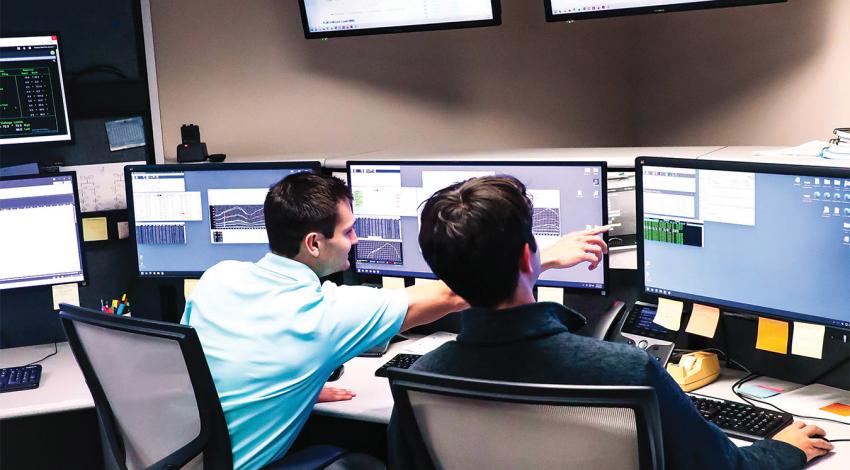
They are also super-sized users of electricity. According to the U.S. Department of Energy, data centers can consume as much as 50 times the energy per floor space as other types of commercial buildings. By themselves, each of those three centers near New Albany draws more power from the grid at any given moment than most of Ohio’s 24 local electric cooperatives draw at their peak.
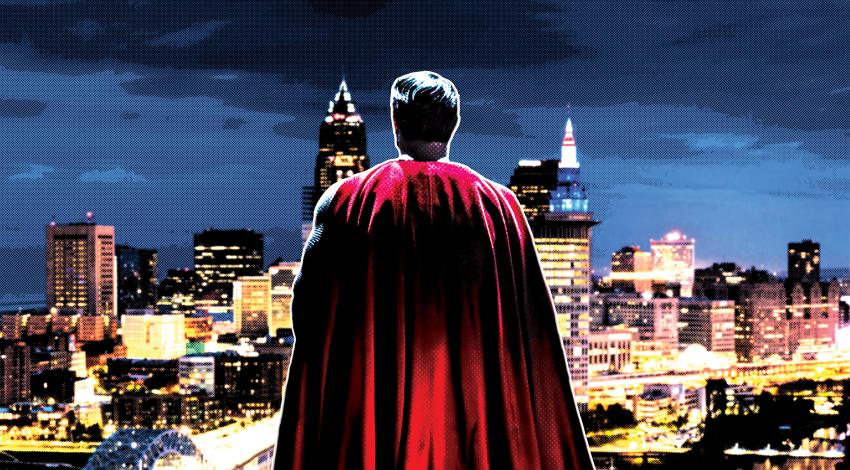
“Up, up, and away!” Before Superman became a global icon, he was a glimmer of hope imagined in a Glenville bedroom.
“Superman is one of Cleveland’s greatest exports,” says Valentino Zullo, assistant professor of English at Ursuline College and co-director of the Rustbelt Humanities Lab. “We’re not exporting steel; we’re exporting culture. The superhero genre was created here.”


“Sunshine is free.” Solar panel sales companies hammer the point over and over; they know it’s an idea that resonates with potential customers.
“The first company made it sound like we would have instant savings, that we would have no electric bill at all,” Kathryn says. “It sounded good to start with, but when we really started digging in, we realized maybe it wasn’t right for us.”
Before they pulled the trigger, the Reeds reached out to Kyle Hurles, an energy advisor at South Central Power. Hurles met with them to review their goals and go over the results they could realistically expect.

When we were young boys, my brother and I sometimes paddled a battered aluminum canoe on the Mohican River in north-central Ohio.
One of those streams is the Mohican, and today’s paddlers can view the Mohican River Water Trail at the ODNR website or download a brochure to find information about access points (including Greer Landing), picnic areas, and points of interest, as well as low-head dams and other hazards along the way.


Taxi cabs, like dense traffic, honking horns, and skyscrapers, usually are synonymous with big-city life. But the taxi business is different for Bobby and Natasha Skeans, members of Hancock-Wood Electric Cooperative.
While the Skeanses live in a home tucked away down a gravel lane in a quiet, peaceful, wooded area of the island, other spots on Kelleys — especially on those busy weekends — have an altogether different vibe, and the island’s roads can feature some chaotic twists and turns.
“[Riders] can be very happy and like to sing songs,” Natasha says. “One time I had a football team. They were like 55 years old, and they decided to share all the songs they used to sing back in the day.”