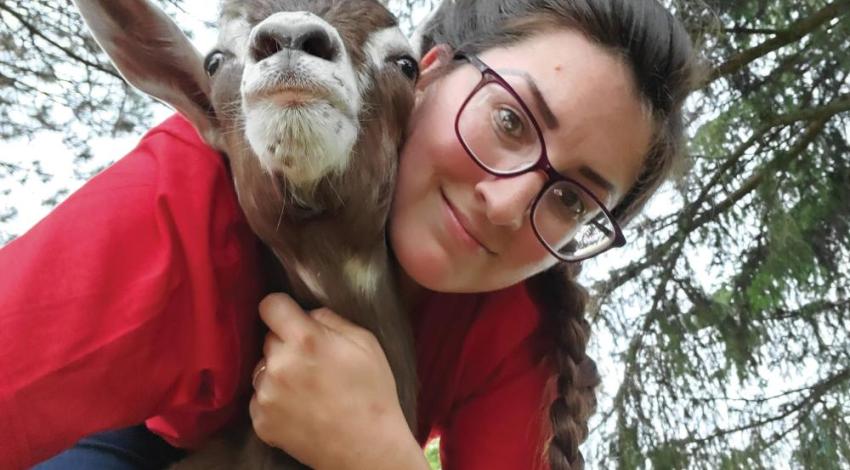
Rachel LaRue grew up in the suburbs of Columbus, an area not generally thought of as “farm country.” Despite that, she says, she was involved in 4-H and “I always wanted to have a homestead with animals.”
That organization, based in Pittsboro, North Carolina, keeps track of rare breeds of sheep, horses, cattle, chickens, and other types of livestock — researching populations of dozens of breeds and rating their viability from “critical” (fewer than 100 annual U.S. registrations) to “recovering” (over 2,500 annual U.S. registrations, but still in need of monitoring).
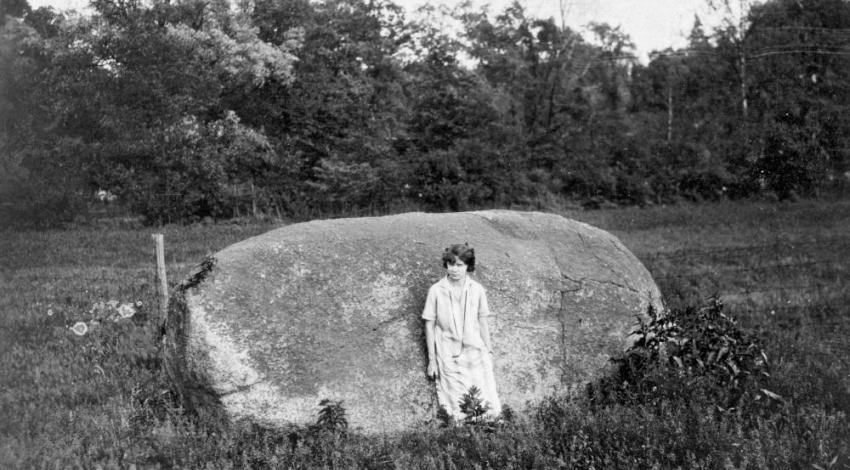
Here’s a word lesson. Erratic: to lack a fixed course or uniformity; to wander or deviate from the ordinary. Now, let us apply that to Ohio’s geology, which is anything but ordinary.
If you need a reminder that the world is held together by stone, then consider Ohio’s basement. You cannot see it except in the long strands of bored-out cores that have been extracted from hundreds of feet below the earth’s surface. The basement is composed of sedimentary rock, settled and compressed at the bottom of what was once a deep ocean. That bedrock dates to about 570 million years ago, geologists say. It’s called Cambrian period stone, named after Cambria (which is now called Wales), where the stone type was first described and given a name around 1835.

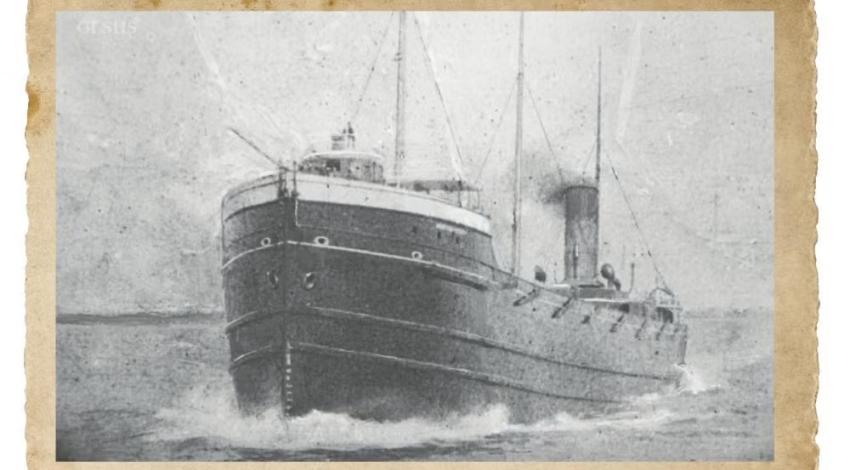
On Aug. 30, 1892 (133 years ago this month), the steel freighter Western Reserve went down during a furious gale on the Great Lakes, taking 27 souls with her.
Though the tragedy happened on Lake Superior, the most northerly, largest, and deepest of the Five Sisters, the story has many ties to the Buckeye State.
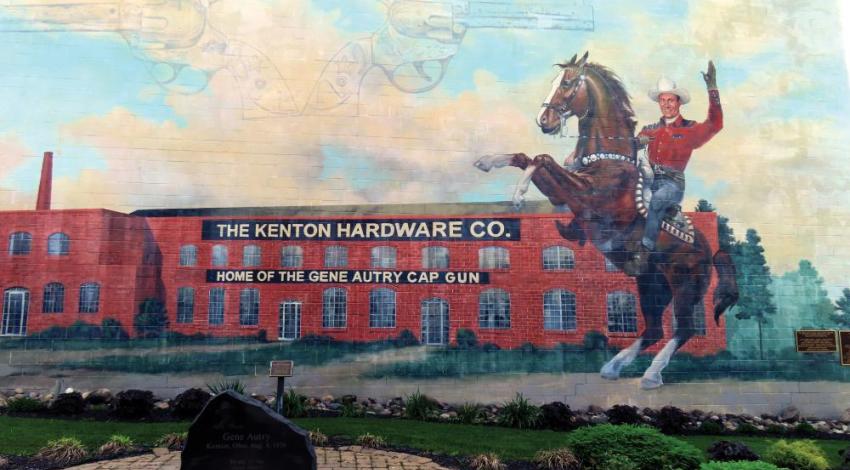
Whenever people ask Brian Phillips where his downtown Kenton business is located, the investment adviser replies, “Know that big mural of the singing cowboy? My office is on the other side of it.”
Riding his sorrel horse, Champion, in scores of cowboy musicals, Autry helped to popularize country-western music with ballads like “Back in the Saddle Again,” the 1939 gold record that became his theme song. Autry’s prolific recordings also included two Christmas classics: “Here Comes Santa Claus,” which he cowrote in 1947, and “Rudolph, the Red-Nosed Reindeer,” which debuted in 1949, has sold more than 25 million copies, and remains his bestselling single.
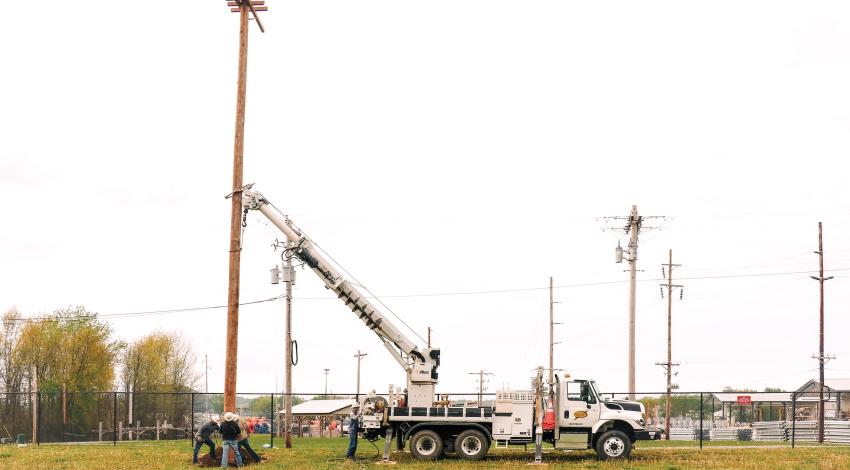
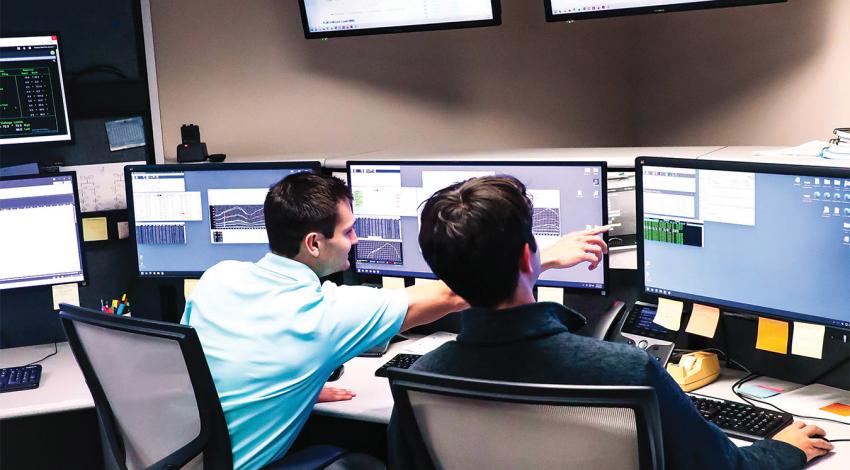
Brad Bussard and his team are accustomed to working almost invisibly.
It was the end of May, the time of year when ospreys return to Ohio from their winter home in Mexico, and a breeding pair had decided that one of the utility poles in the training yard next to the co-op’s office was a good spot to build a nest. The population of ospreys, once nearly wiped out in the Buckeye State, has been steadily growing here since the Ohio Department of Natural Resources reintroduced them in 1996, to the point where the Division of Wildlife no longer even bothers to count them.
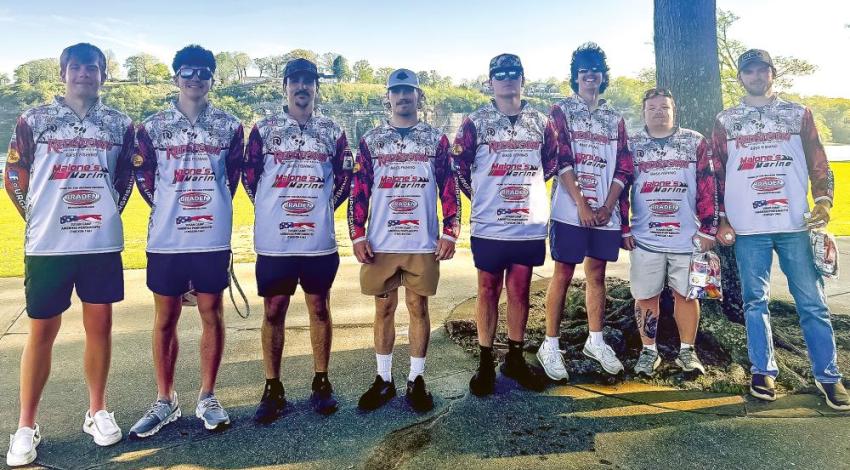
Even though competitive bass fishing isn’t yet recognized as an official school sport in Ohio, it is catching on with young people here.
Competitive bass fishing is strictly catch and release. Teams of two, using only artificial baits that look like worms or crawdads, drop their lines in a specified area. Each competitor catches a maximum of five fish, which must be kept alive in water-filled wells on the boats. As soon as the fish are quickly weighed and photographed, they are released back into the lake. The winning team is determined by the total weight of the fish caught.
For safety, every boat is operated by an adult so that the two young competitors can concentrate on their fishing.

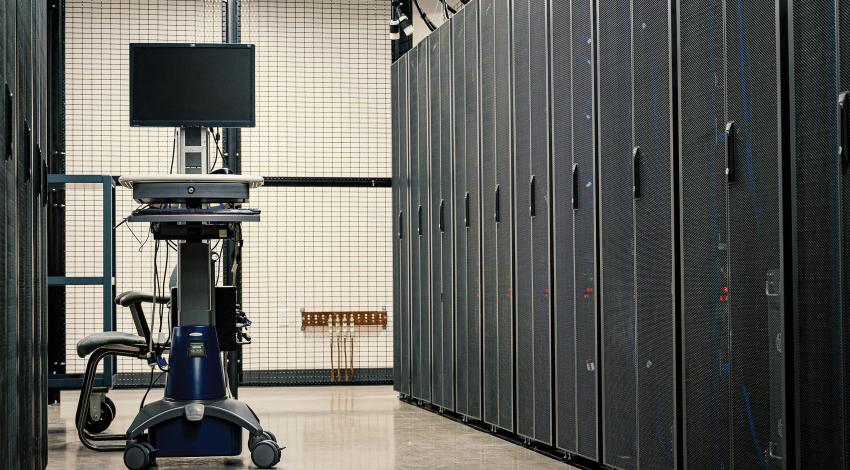
Near New Albany, within about three miles of one another, stand three buildings — modern but rather plain and, but for their size, could even be described as nondescript. But you can hardly overlook the high-voltage power lines that dominate the space next to them.
They are also super-sized users of electricity. According to the U.S. Department of Energy, data centers can consume as much as 50 times the energy per floor space as other types of commercial buildings. By themselves, each of those three centers near New Albany draws more power from the grid at any given moment than most of Ohio’s 24 local electric cooperatives draw at their peak.
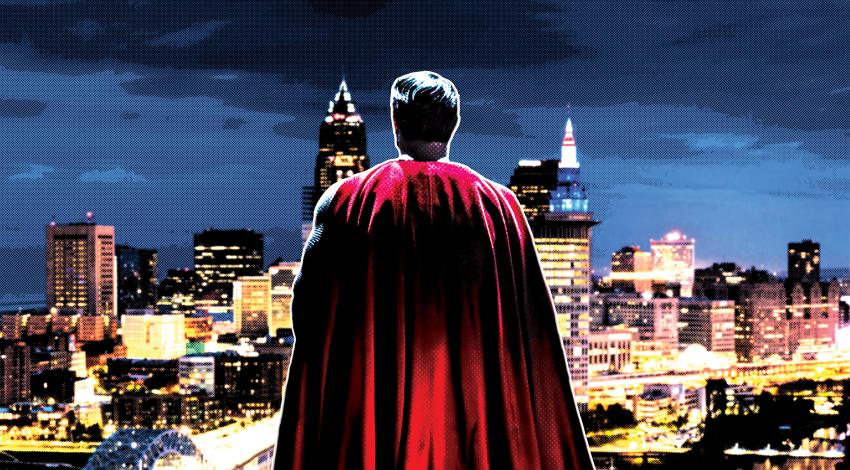
“Up, up, and away!” Before Superman became a global icon, he was a glimmer of hope imagined in a Glenville bedroom.
“Superman is one of Cleveland’s greatest exports,” says Valentino Zullo, assistant professor of English at Ursuline College and co-director of the Rustbelt Humanities Lab. “We’re not exporting steel; we’re exporting culture. The superhero genre was created here.”