Imagine taking a statewide road trip only to find every highway restaurant, hotel, and gas station closed. For a traveler, being tired, hungry, and in danger of running out of gas makes the journey difficult, if not impossible. For the pollinators of Ohio (bees, butterflies, moths, and hummingbirds), that’s often the reality of navigating manicured lawns and concrete.
It’s not just a problem for bugs and birds. Whether on a commercial farm or in a gardener’s backyard, many of Ohio’s crops — cucumbers, pumpkins, and tomatoes, for example — depend on a healthy pollinator population. As wild, weedy spaces become more scarce, pollinators face increasing challenges. According to Ohio State University Extension, “Animal pollinators and bees in particular are currently facing many threats, such as lack of forage (flowers for food) and lack of suitable nesting sites.”
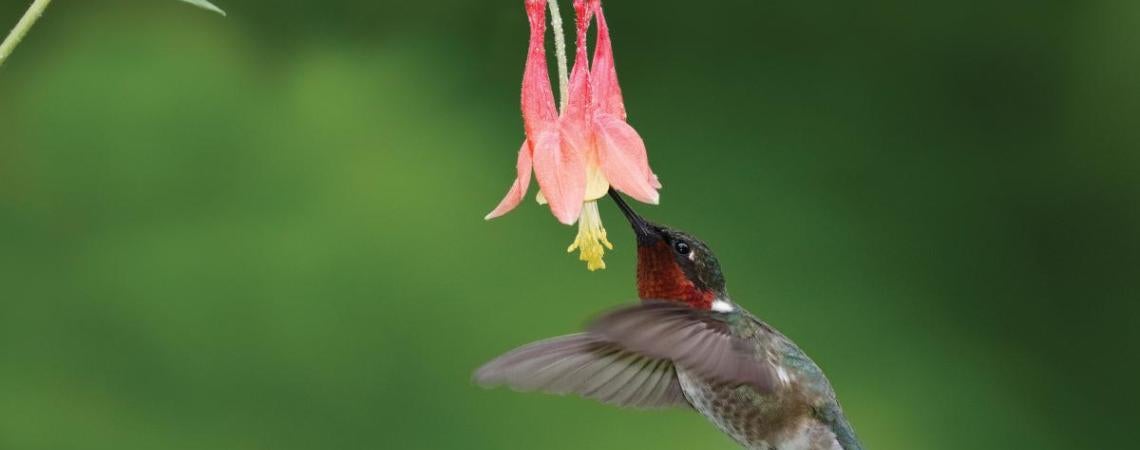
Animal pollinators and bees are currently facing many threats, such as lack of forage (flowers for food) and lack of suitable nesting sites.
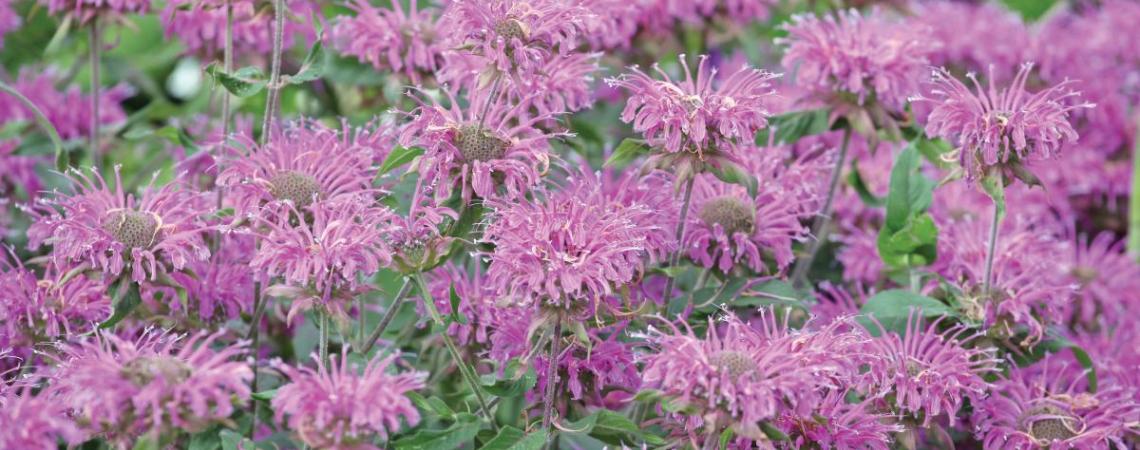
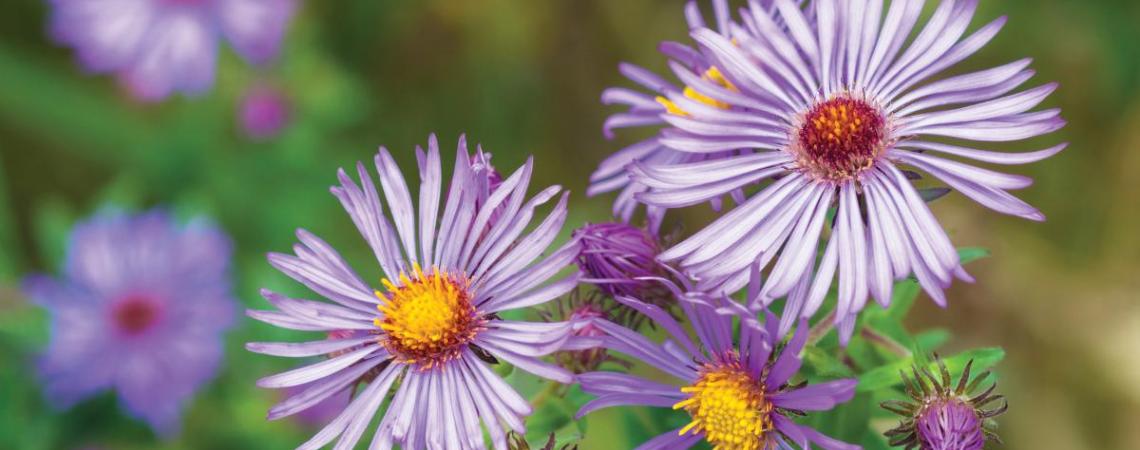
One way humans can help is by planting a pollinator pathway, creating an environment where those farm and garden helpers don’t have to work so hard just to get by.
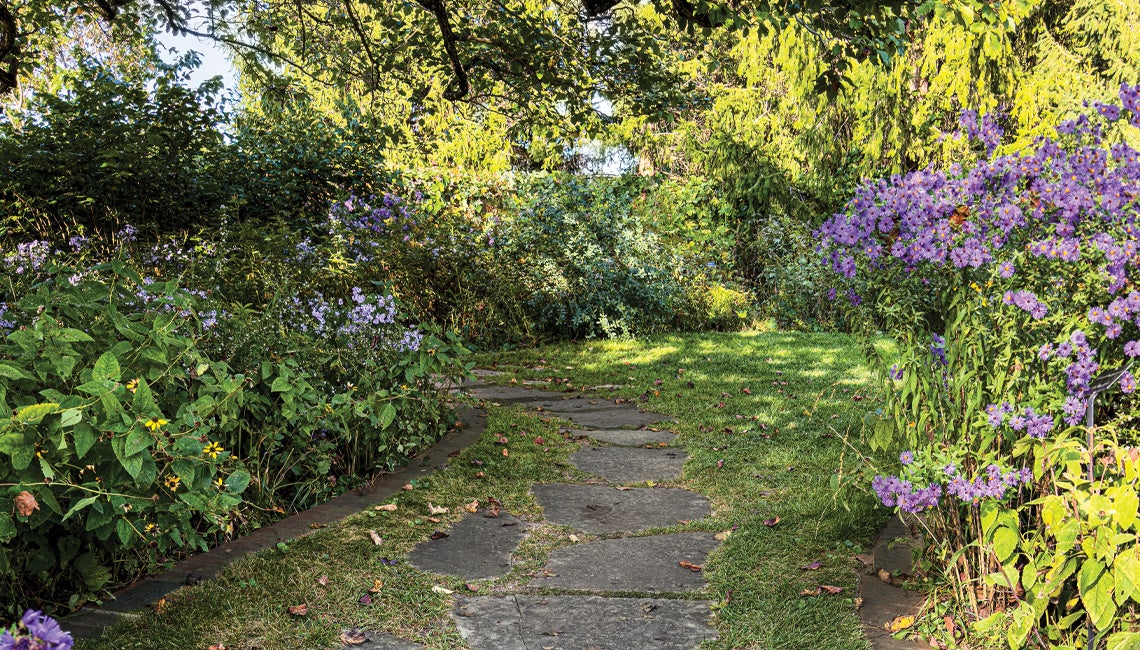
A pollinator pathway is a grouping of native, diverse plants that help beneficial insects and birds survive in developed areas. Made up of plants that bloom in succession, they provide corridors of food and shelter from spring to fall. Typically located along roads, sidewalks, and yards, these pathways provide different landscapes needed to create bridges between habitat areas that might be too far apart otherwise.
Design your own pathway
Pollinator pathways don’t have to be special gardens. They can grow in everyday spaces like farm edges, small-town backyards, and roadsides between communities.
Pathways need two types of plants to create a supportive environment: nectar/pollen plants that provide food for adult pollinators and host plants for butterfly/moth caterpillars to feed on and grow. To make planting decisions easier, you can use the “three-by-three” formula: Pick three native species that bloom in each of the three seasons: spring (March–May), mid-summer (June–August), and late summer/fall (September–November). Different types of pollinators are active at different times of the year, so having a continuous bloom is critical.
When possible, it’s especially helpful if such groupings can be within 300 to 500 yards of another, creating that pathway of pit stops that pollinators need. By choosing to grow a pollinator pathway, you not only plant a vibrant, active garden but also choose to help sustain the creatures that keep farms, fields, and communities thriving.
Pollinator-friendly plants
Here’s a season-by-season list of native plants to get you started:
Spring
Willow (Salix species)
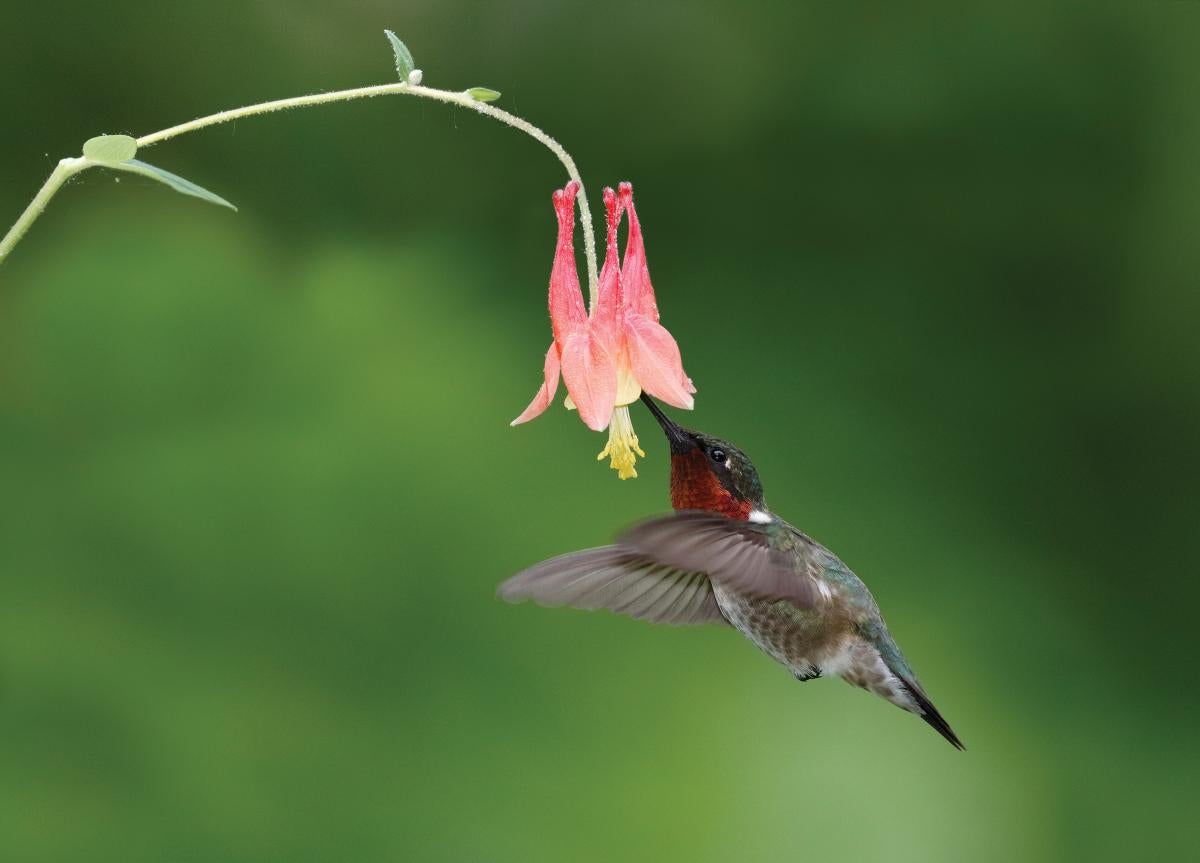
Wild columbine (Aquilegia canadensis)
Chokecherry (Prunus virginiana)
Summer
Common milkweed (Asclepias syriaca)
Purple coneflower (Echinacea purpurea)
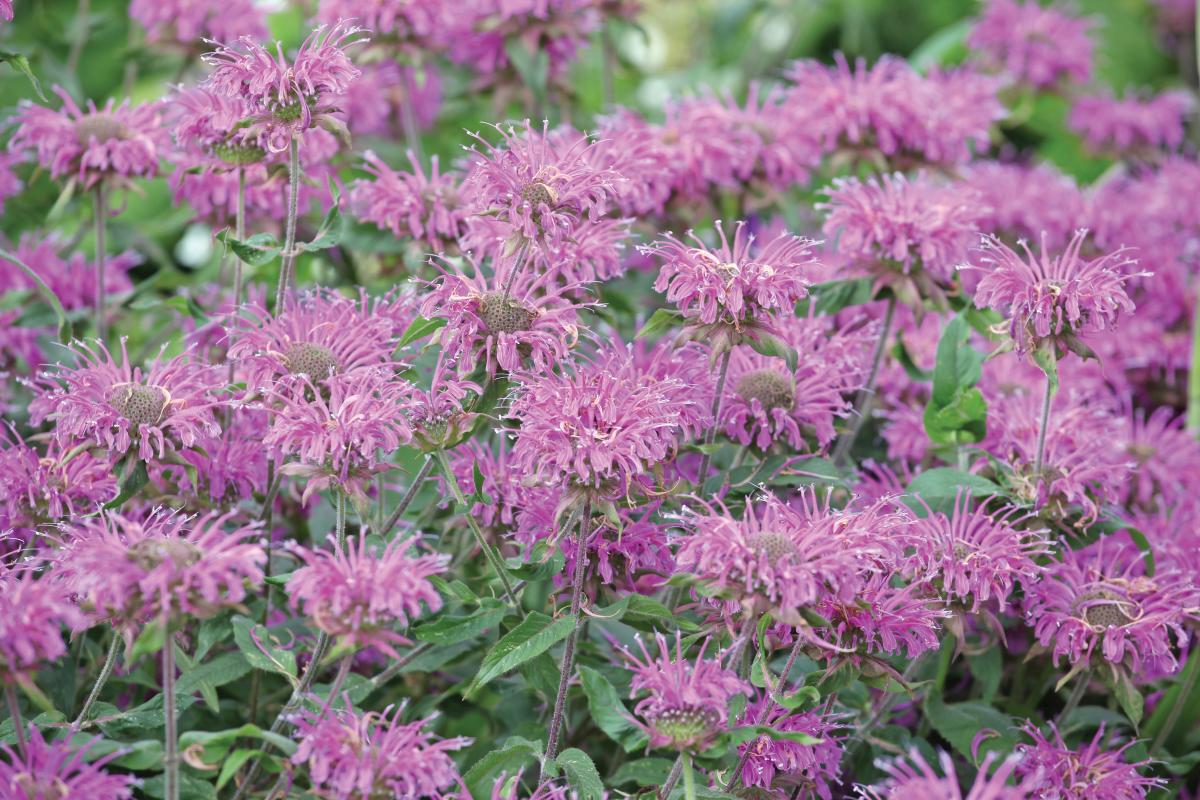
Wild bergamot (Monarda fistulosa)
Fall
Goldenrod (Solidago species)
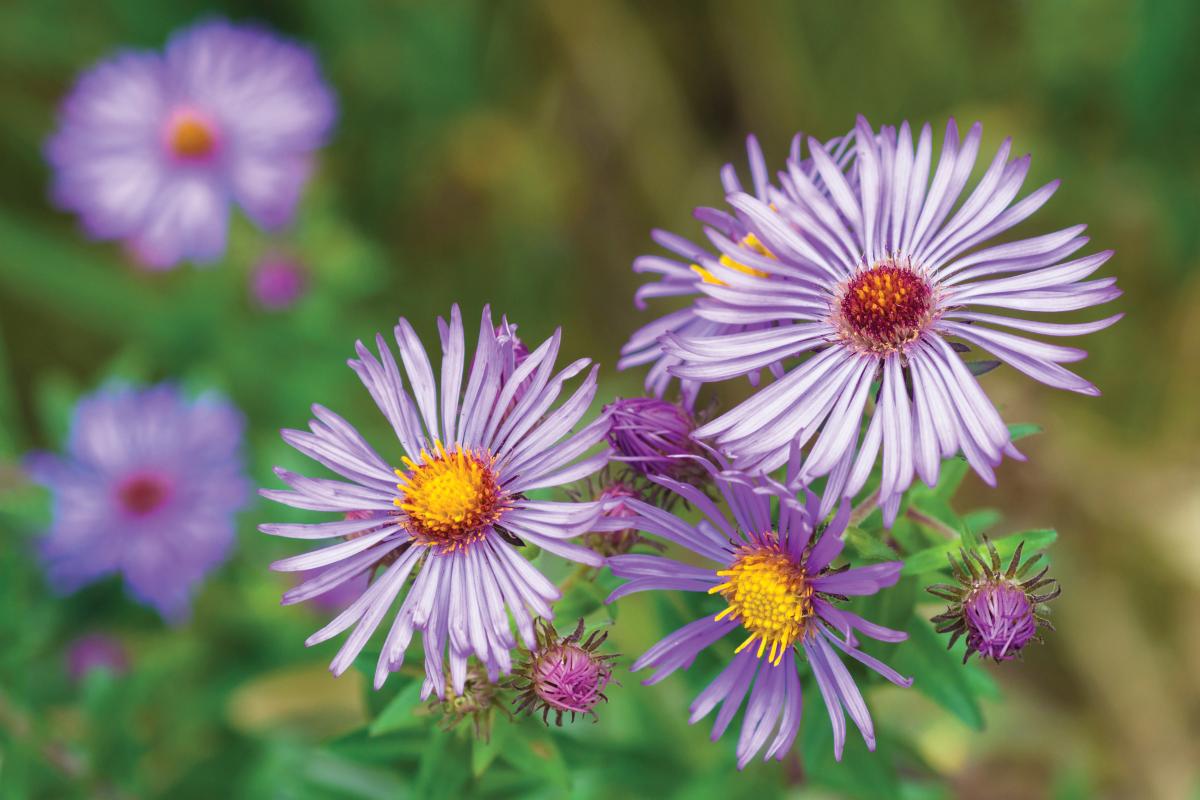
New England aster (Symphyotrichum novae-angliae)
Cardinal flower (Lobelia cardinalis)