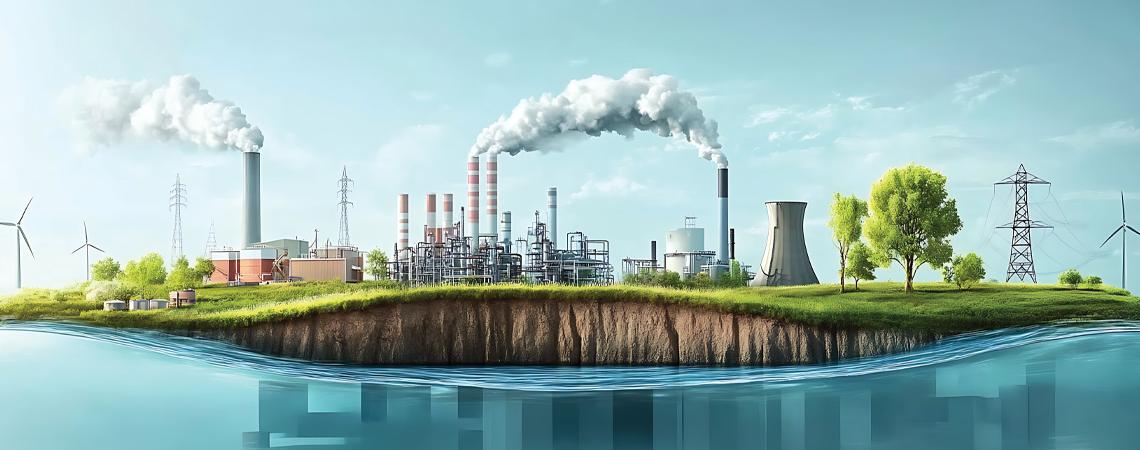
Coal, nuclear, and natural gas resources did exactly what they were built to do: keep power flowing when conditions are at their worst.
When severe winter weather recently swept across Ohio and much of the eastern United States, it put significant strain on the electric grid. As temperatures dropped, electricity demand surged and fuel systems tightened. It was a challenging period that once again showed what truly matters during extreme cold: a reliable, diverse power supply that performs under pressure.
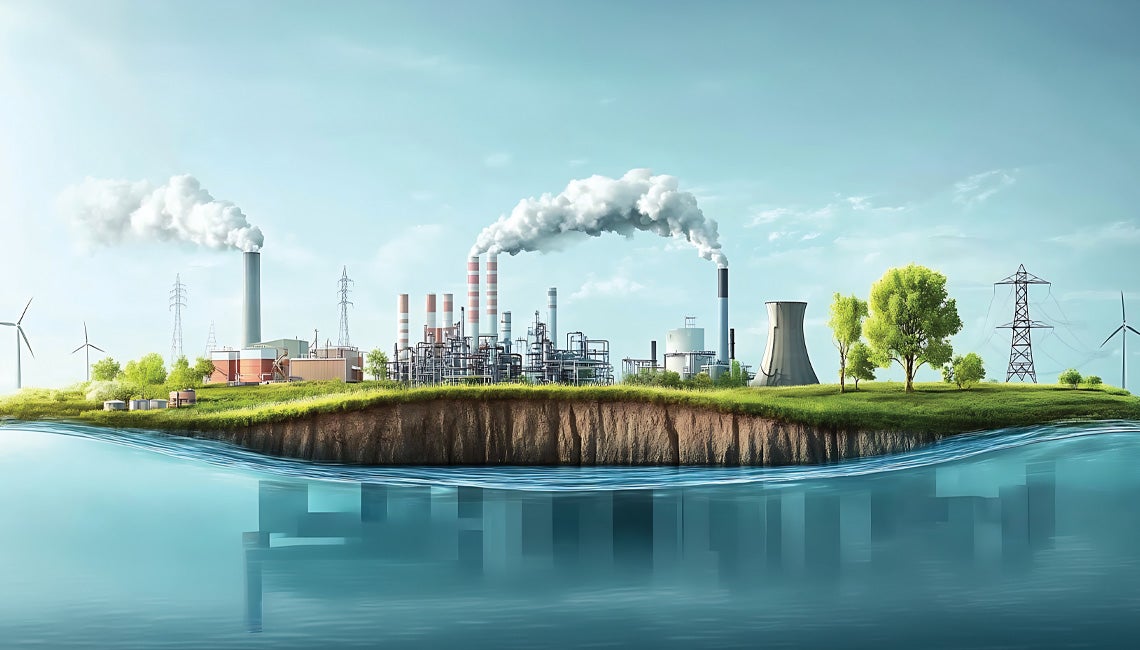
Within our 13-state region of the grid, known as the PJM Interconnection, coal, nuclear, and natural gas resources did exactly what they were built to do: keep power flowing when conditions are at their worst. Together, they supplied more than 90% of the electricity used during the coldest of those days.
The fleet of generation resources that powers Ohio’s electric cooperatives stood strong as well. All three coal-fired units at our Cardinal Plant remained online, as did all 11 Ohio Valley Electric Corporation coal units. Natural gas plants owned by cooperative members stayed online as well, despite extremely high gas prices and heavy strain on the natural gas delivery system. That balanced mix of resources helped maintain reliability across PJM and avoided potential power shortages during some of the most extreme conditions we’ve seen in quite some time.
One of the key lessons from that weather event was the importance of readily available fuel. Coal and nuclear plants store fuel on-site, which protects against sudden price spikes and fuel delivery interruptions. We saw what a difference that made when natural gas supplies became tight and prices rose sharply. While natural gas plants owned by Ohio cooperatives do maintain limited on-site backup fuel, it’s typically only enough for a few days of operation. Coal and nuclear plants, meanwhile, store enough fuel to run for weeks or even months at a time. That’s a real safeguard that helps manage both reliability risks and spiking costs, providing a critical buffer during the prolonged severe weather.
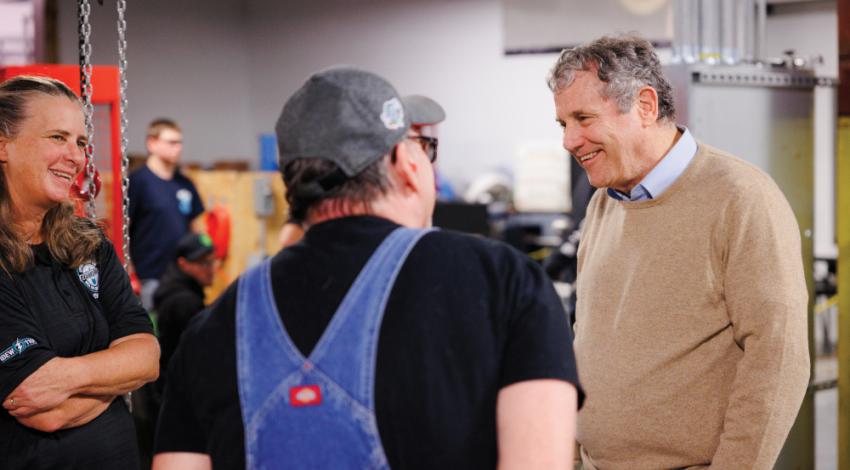
None of that reliability happens by accident, or without people. The operations, scheduling, and dispatch teams at our coal and natural gas plants worked around the clock, in difficult conditions, to secure fuel supplies, manage pipeline flows, and monitor rapidly changing grid conditions to keep those units operating safely and reliably.
Their dedication and expertise helped keep the lights on and homes heated when Ohio families needed it most.