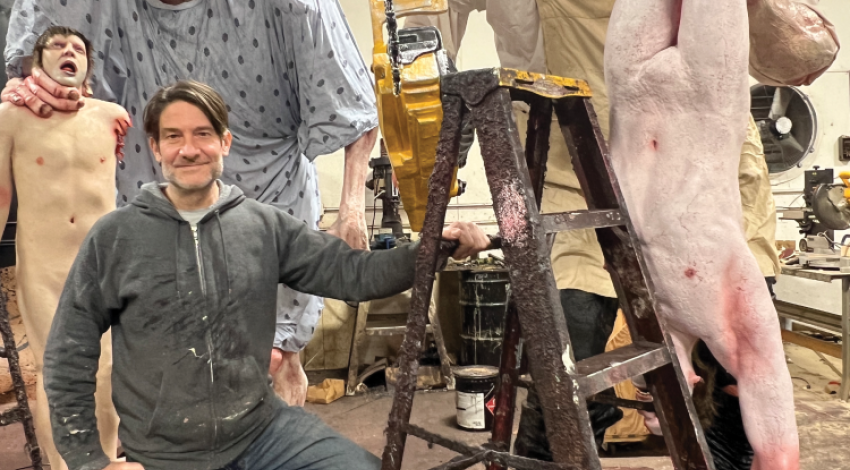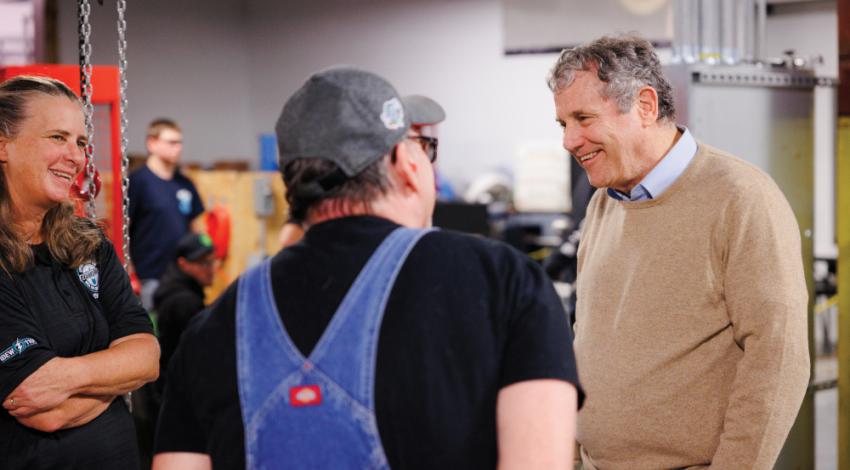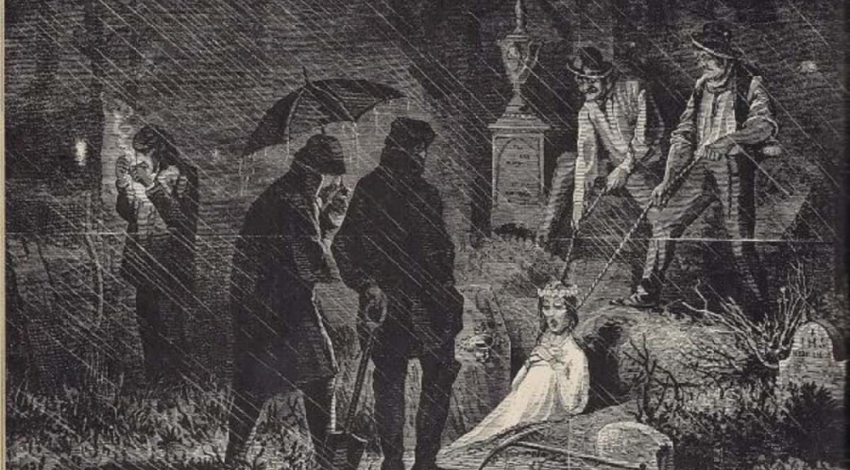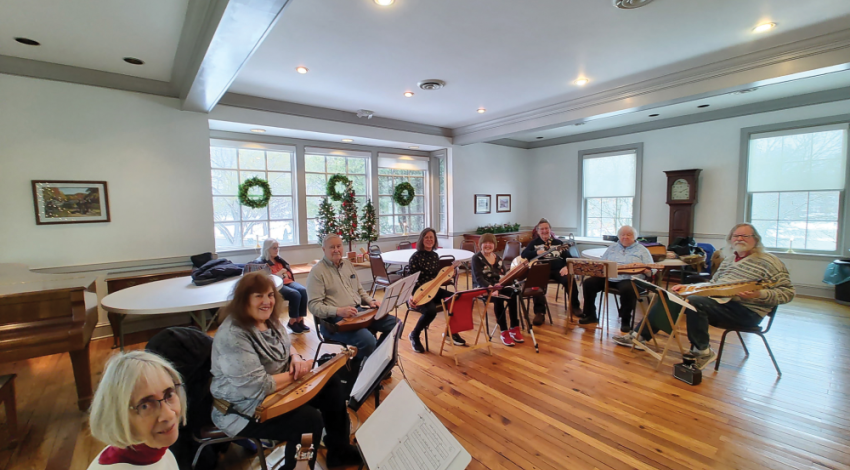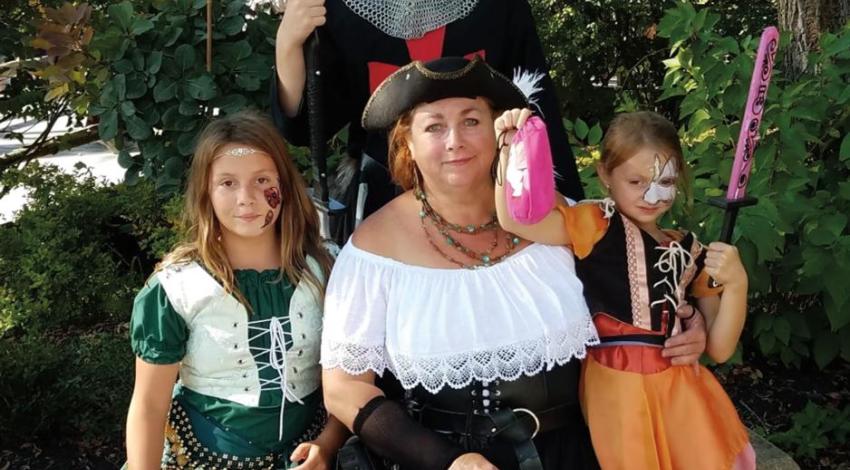
Peggy Kelly first attended the Ohio Renaissance Festival about 15 years ago.
The festival lasts eight to nine weeks, and Kelly, who is a season passholder, says she’ll typically attend six to eight times during that period. She attends often enough that she says her husband knows exactly where she’s headed if she gets up early — and that she’ll be gone for most of the day.

Electric power is a service that is simultaneously deeply appreciated and yet taken for granted.
Powering Ohio’s co-ops
“We all take electricity for granted, until you’re at your own house and you lose it, and then you say, ‘Where’s the power company?’” laughs Schunn, plant manager for the Cardinal Power Plant in Brilliant, a small town on the Ohio River in eastern Ohio. Cardinal’s three coal-burning units produce up to 1,800 megawatts of power at a given moment. It’s the main baseload generating plant for Buckeye Power.
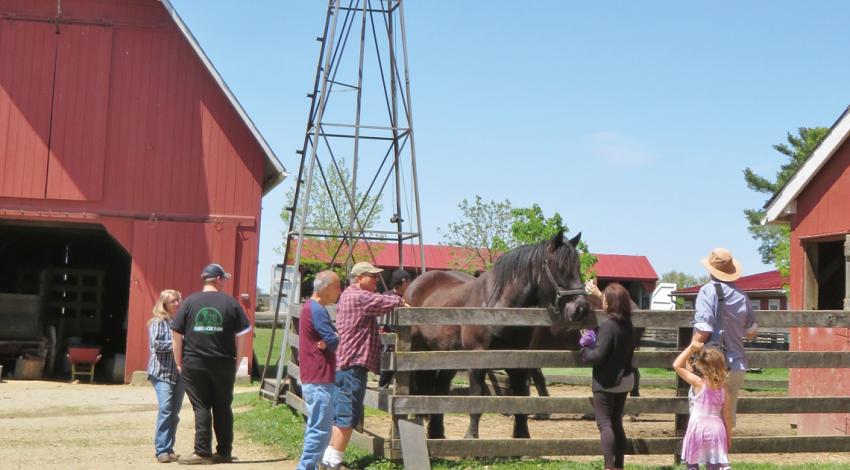
Where do the batteries go?” Ann Culek always smiles when she recalls the curious little boy who couldn’t figure out the workings of an old-fashioned marble run one afternoon in the farmhouse at Slate Run Living Historical Farm.
Operated by Columbus and Franklin County Metro Parks, the farm is part of Slate Run Metro Park, situated in the splendidly scenic countryside between Circleville and Canal Winchester. It’s a South Central Power Company member, but because the farm preserves the lifestyle of an era before electric cooperatives served rural Ohio, visitors never see so much as a light switch, let alone the modern office equipment that occupies the farmhouse’s second story.
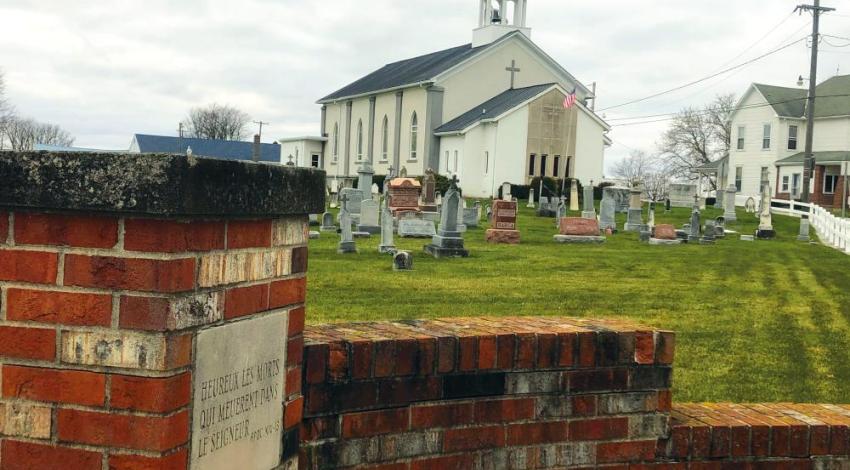
France began its effort to colonize North America not too long after Christopher Columbus arrived here in 1492. At times between 1656 and 1750, in fact, France controlled more of the continental land mass than Britain and Spain combined.
Quebec, for instance, continues to be a Francophone island in English-speaking Canada that’s held steadfast to its language for hundreds of years. In spots of northern Maine, French is used as typically as English, and French-inspired poutine and ployes are as familiar on menus as burgers and pizza. The Cajuns of Louisiana still embrace their past with gusto and richness — so much so that the number of French-speakers in the bayou has actually increased in recent years. In Missouri, where St.

When we think about the people keeping our lights on, most of us think of the lineworkers who build, maintain, and repair the power lines running through our communities. Behind the scenes, though, it takes another crew of dedicated men and women to keep that power flowing — and that’s something we can all appreciate as we sit in our air-conditioned homes during the hot and humid “dog days” of summer.
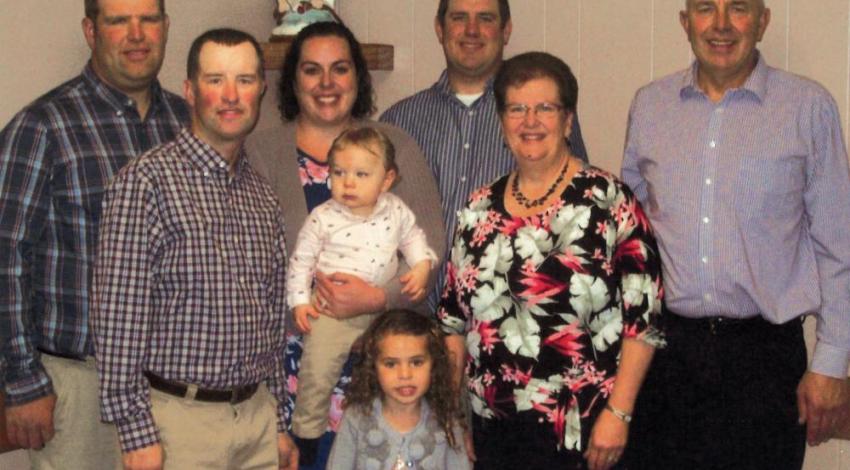
The sounds of high-pitched laughter and delighted squeals fill the air on this late-spring Saturday afternoon at Carthagena Park in rural Mercer County as youngsters scramble over brightly colored playground equipment.
From celebration to tragedy
Not far from the park, the boys’ mother, Nancy Wuebker, sits in her kitchen at GBT Family Farm, in the heart of Midwest Electric co-op territory. She recalls the events of Aug. 10, 2021, that forever changed the lives of her family and the close-knit farm community they call home.
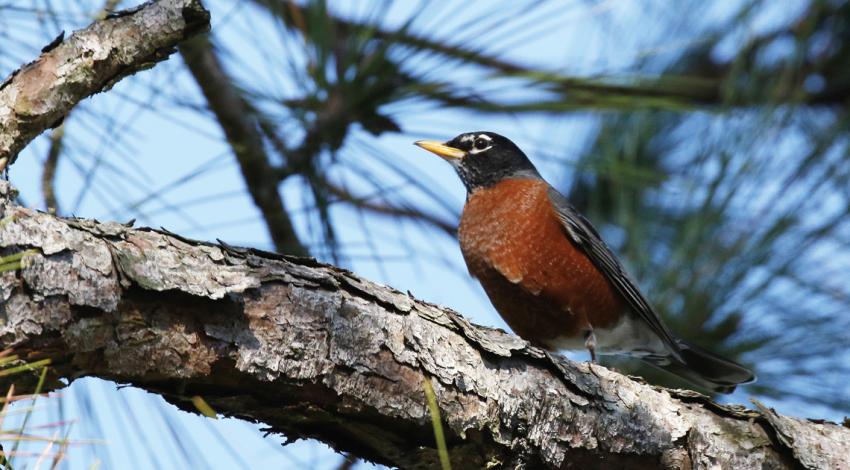
Hunting earthworms on our lawns or building nests in our shrubbery, robins are so ubiquitous today that we barely give those attractive, red-breasted songbirds a second thought.
The slaughter began with large mammals — elk and deer in the East, bison in the West. Once those populations were decimated, the professional hunters moved on to waterfowl: ducks, geese, and swans. After those species were depleted, shorebirds were next in line. Smaller than most waterfowl, shorebirds made up for their small size by numbering in the millions. They also decoyed readily and tasted good on the dinner table.
Last on the list was songbirds.
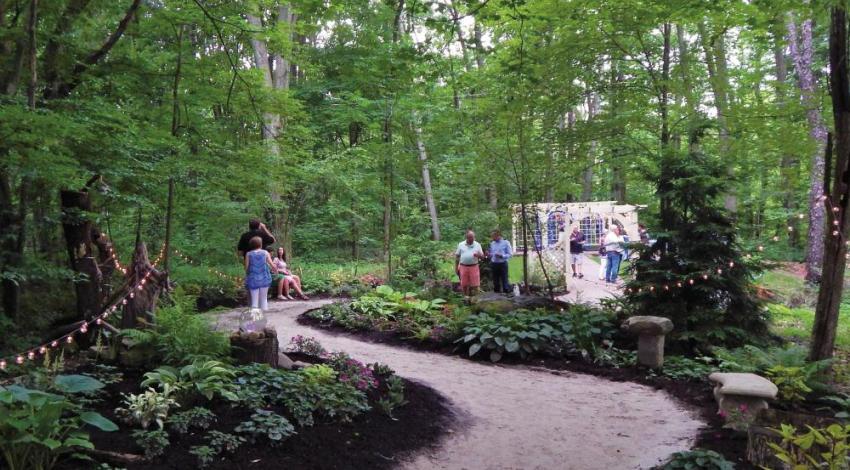
Tucked in a scenic area just west of Alliance, Beech Creek Botanical Gardens and Nature Preserve is an enchanting space to discover nature, offering a breath of fresh air for people of all ages.
Beech Creek’s multiple gardens, trails, exhibits, and events — from life-size Lincoln Logs and treehouses in the playground to a caterpillar nursery and annual butterfly parade — are enjoyed yearly by more than 40,000 visitors.
Here are a few of our favorite spaces.

At first glance, shooting clay pigeons and working on electric power lines may not seem to have a lot in common. But Dave Salmons, who’s no stranger to either endeavor, sees some definite commonalities.
Salmons picked up the hobby about 17 years ago after visiting a local fish and game club, and quickly found it got his competitive juices flowing. Competitors walk through the woods, stopping at stations where they take aim at clay “birds” — targets mechanically thrown into the air.
Each competitor shoots 50 targets, keeping score and trying to improve over time.