Broadway musicals have dazzled audiences since the 1850s, and this year will be no exception.
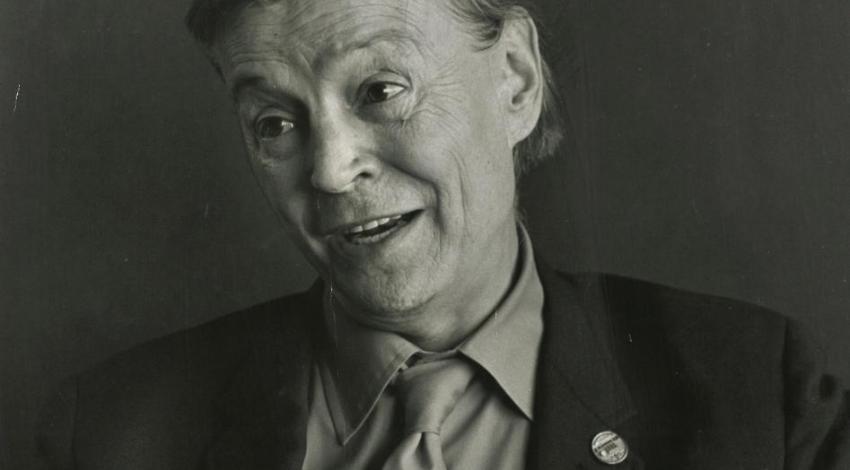
Kenley — a theatrical producer and former vaudeville performer — founded the Kenley Players, which brought “America’s most exciting summer theater” to Ohio from 1957 until 1995, drawing crowds with lavish productions, low ticket prices, and big-name stars in leading roles.
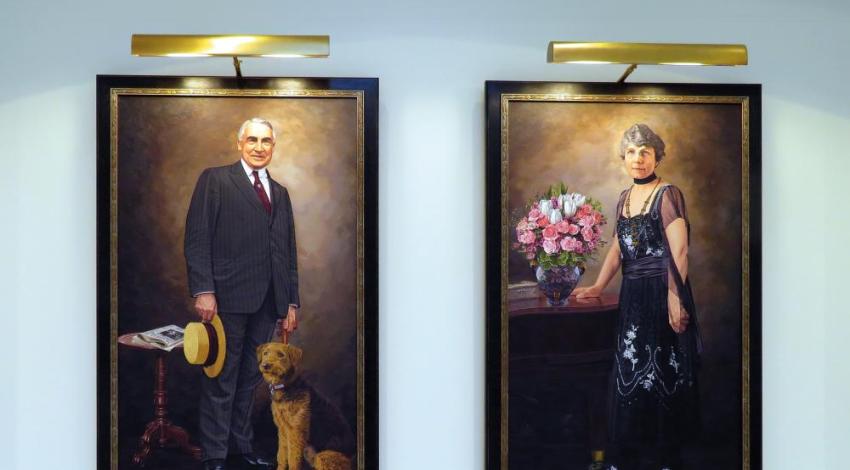
Sherry Hall never tires of showing visitors the paintings of Warren and Florence Harding that hang side by side near the entrance of the Warren G. Harding Presidential Library and Museum in Marion.
The president has a genial twinkle in his eye and holds a straw hat straight out of the Jazz Age. Laddie Boy, the beloved Airedale who attended cabinet meetings and retrieved the president’s errant golf balls, sits at Harding’s feet, and resting on a table behind them is a copy of The Marion Daily Star, the failing newspaper Harding purchased at age 19. He managed to make it profitable and still owned the Star when elected president in 1920.

Electric cooperatives have a long history of standing up for themselves when the needs of their members are not being met.
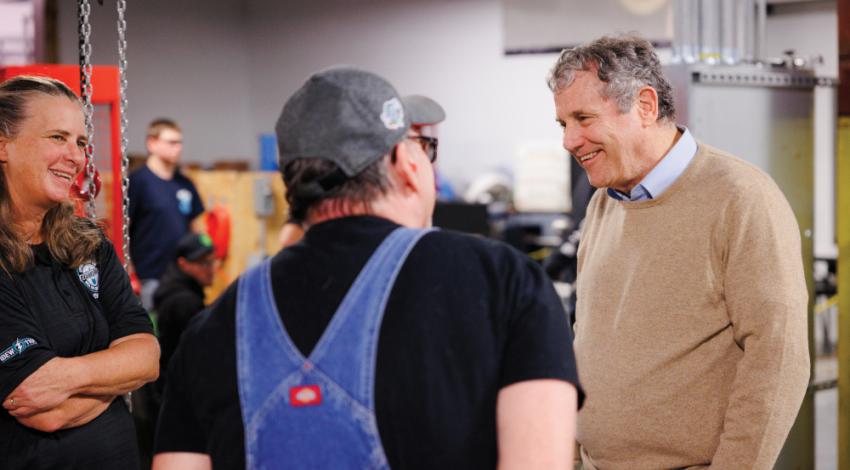
Hosting elected officials at the co-ops’ Central Ohio Lineworker Training Facility in Mount Gilead or the Mone power plant in Convoy gives co-ops a chance to highlight the cooperative difference — to show firsthand how locally owned, not-for-profit co-ops do more with less every day to serve their members.
Co-op managers and trustees also meet those leaders on their own turf, traveling to the Ohio Statehouse or to Washington, D.C., to share a united constituent voice.
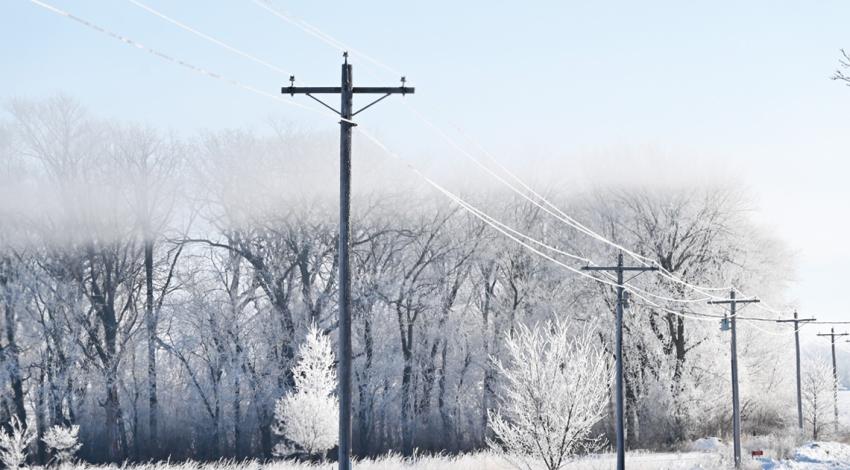
Winter poses a particular set of challenges to your electric cooperative’s commitment to provide members with an uninterrupted supply of power every hour of every day of the year. Winter storms in particular can wreak havoc on electric lines, and often result in longer outage times because icy roads and fallen trees and limbs make it even more difficult to mobilize people and equipment to the areas that are hardest hit. Access to downed lines is slow and tedious, and working conditions that lineworkers face when they arrive to make repairs are often difficult and even dangerous.
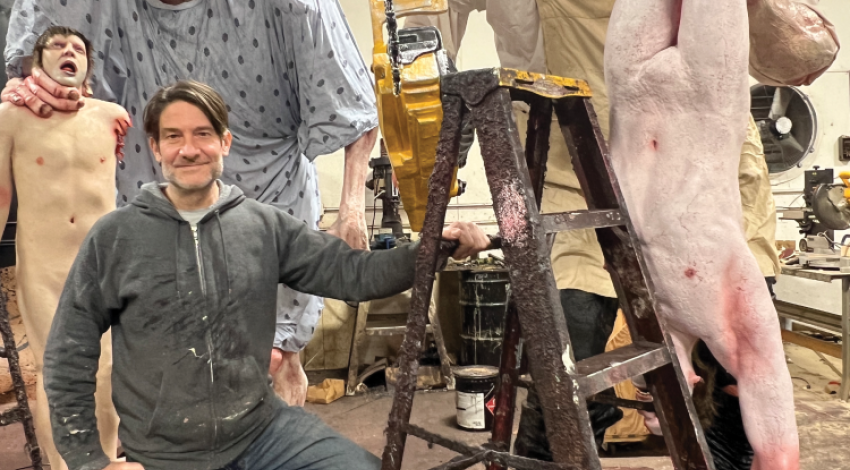
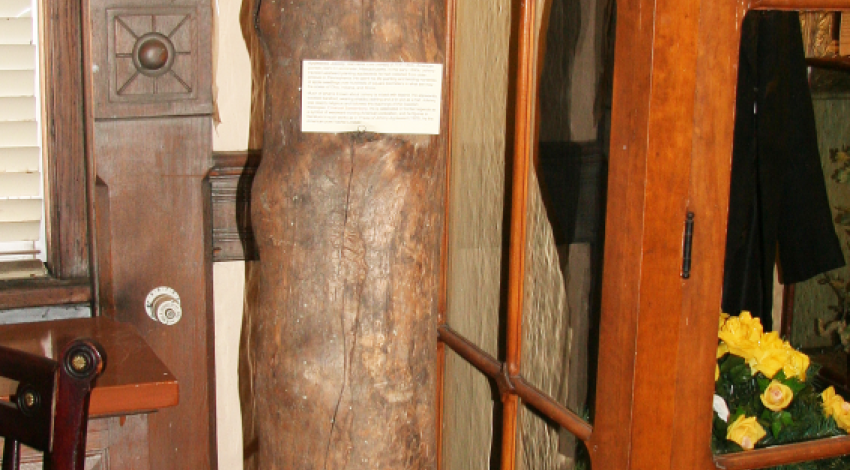
What happens when you receive a troll doll at the impressionable young age of 5? If you’re Sherry Grooms, you end up with a museum.
One room has the Troll Bowl, a dollhouse version of a football stadium, where trolls are dressed as football players and fans sport NFL attire. There’s also the Rock ’n’ Troll Hall of Fame featuring troll versions of Rod Stewart, Justin Timberlake, KISS, and more.
Troll collecting has made Grooms an expert on troll doll history. The original is from Denmark, where Thomas Dam carved wooden dolls for his daughter, inspired by trolls of Scandinavian folklore. Dam’s designs became mass-produced in the U.S. in the 1960s.
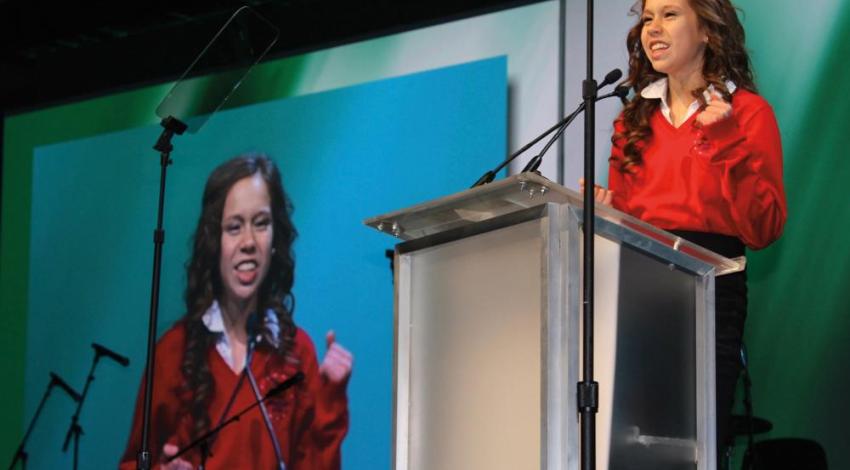
Every June, electric cooperatives from around Ohio and across the nation sponsor high school sophomores and juniors on a trip to Washington, D.C., where the students learn about the cooperative business model, visit Capitol Hill to meet with legislative leaders, and explore the rich history of th
OLIVIA VELASQUEZ, 2013
The Youth Tour was a pivotal experience during my transition from high school to college. Growing up in a tiny Ohio village, attending even tinier Pandora-Gilboa High School, I attended Youth Tour in 2013. After high school, I pursued my education at Harvard University, and I am currently studying at the University of Vermont Larner College of Medicine.
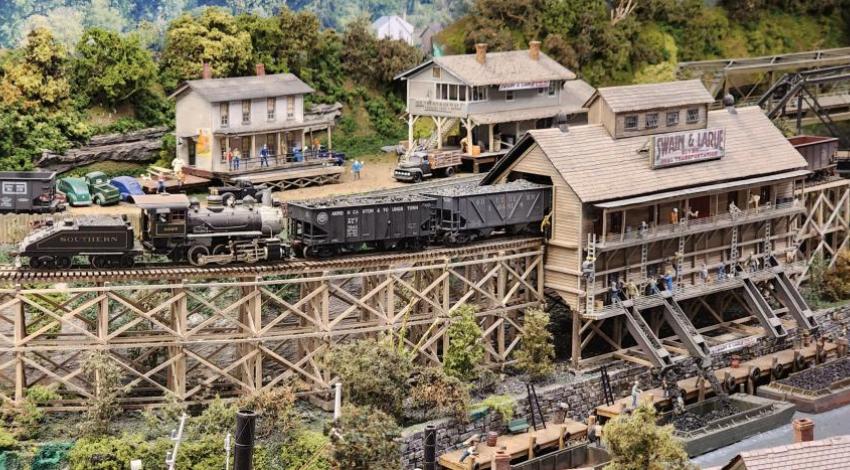
Jody Davis got his first electric train for Christmas when he was 8 years old. But his love affair with trains started even earlier.
Davis joined Associated Model Railroad Engineers of Coshocton when he was 14, and currently, at 55, serves as president.
An early start
It’s a familiar story with model railroaders: A childhood fascination with trains leads to a Christmas or birthday gift of a model train set. Retired music educator Bruce Knapp, 81, of North Bend, is still an active participant and member of the National Model Railroad Association’s Cincinnati chapter.
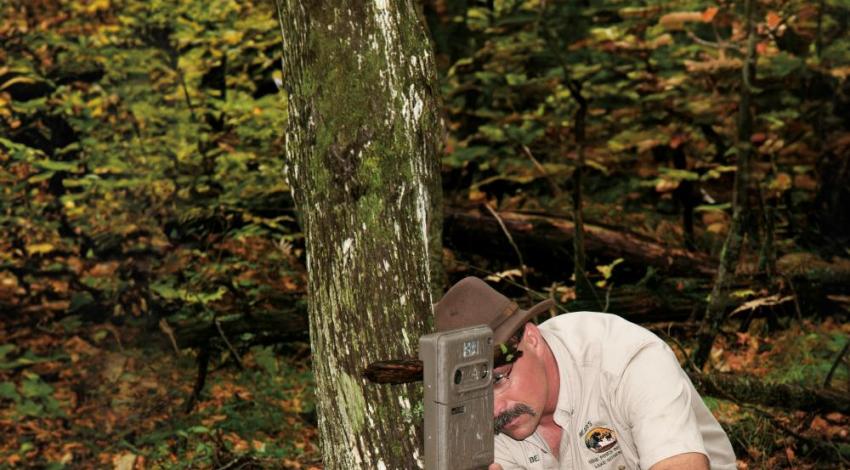
For years, hunters have been using trail cameras to scout for game, which, in the Buckeye State, usually means white-tailed deer. But, interestingly, a growing segment of the trail-camera market now has nonhunters purchasing the relatively inexpensive cameras to capture wildlife images 24/7.
Trail cameras take both still photos and video clips of wildlife and provide endlessly entertaining images. If there’s someone on your Christmas list who would like to try this fun and fascinating outdoor hobby — or if you’d like to try it yourself — here are a few suggestions to help get you started, based on my own experience:
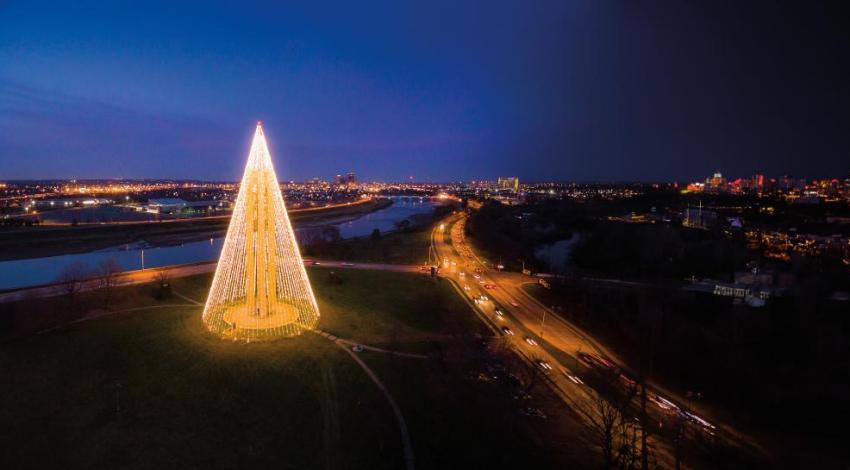
This time of year, you can find dozens of events that feature chestnuts roasting on open fires and Yuletide carols being sung by choirs, but there’s only one holiday celebration that features Ohio’s grandest musical Christmas tree.
Located on 65 acres bordering the Great Miami River, Carillon Historical Park is an open-air museum founded in the 1940s by industrialist Edward Deeds and his wife, Edith. Because his passion was history and hers was music, they made Deeds Carillon the focal point of a collection of buildings and artifacts that highlight both Dayton’s heritage and its many contributions to industry and transportation.