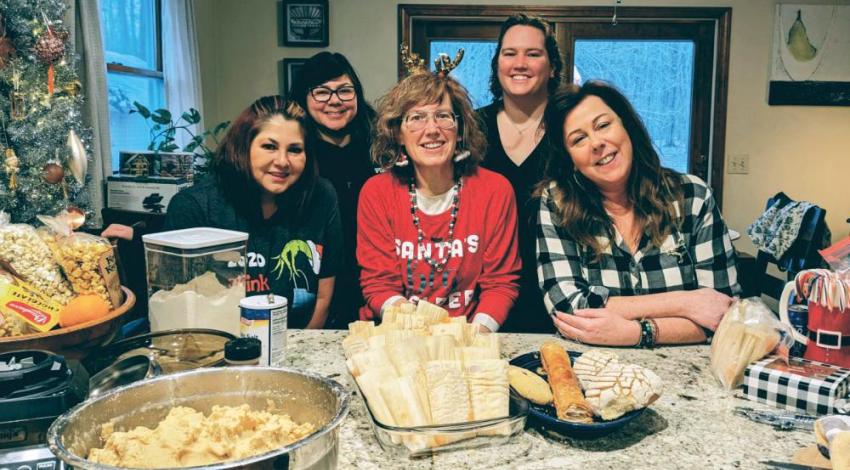
Never let it be said that Rae Hruby let a holiday pass without cooking something specific to the occasion.
“I’ve just always done my themed foods,” says Hruby, who lives in Grafton, where she and her husband, Paul, are members of Wellington-based Lorain-Medina Rural Electric Cooperative. “I took four years of foods classes in high school, and I’ve always enjoyed doing creative things with food.”

For more than 80 years, electric cooperatives — and our business model — have proven to be resilient. In fact, most electric cooperatives are as vibrant and healthy today as at any point in our history. Much of this success can be attributed to the founding principles that electric cooperatives have adhered to through generations of members and cooperative leaders.
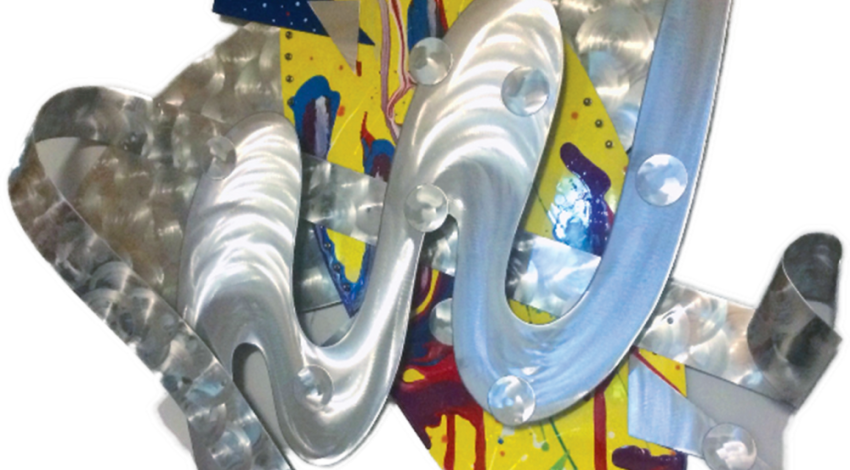
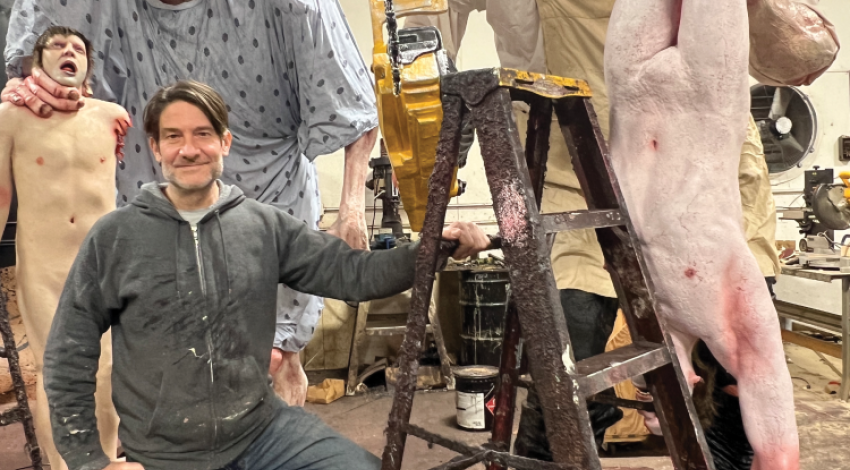
A Mac Worthington piece of art is almost instantly recognizable. Worthington’s work (he’s best known for his metal sculpture) can be found in public, private, and corporate collections across the country and around the world.
Worthington was born in Canton, the son of artists. His father, Jack, made many of the bronze busts in the Pro Football Hall of Fame. His mother, Marion, worked with enamel and silver.
Before turning to art, Worthington built washing machines, served in Vietnam, and worked for a finance company — all good experiences that proved useful when he opened his own galleries.

Got trees? Most co-op members do. If you’re among that group, the U.S. Department of Agriculture wants you to be on the lookout for yet another invasive insect species attacking woods in the Buckeye State: the Asian longhorned beetle (ALB).
The ALB is a wood-boring bug that attacks a dozen types of hardwood trees in North America, including maples, elms, buckeyes, birches, and willows. Infested trees do not recover. They then weaken and become safety hazards, especially during storms, and eventually die.

We all take a trip down memory lane once in a while, reminiscing about special times and meaningful life events.
That experience helped her realize two things: first, that she proudly came from a long line of strong, influential women; second, how important it was to engage with her grandmother, listen to her story, and record her family history before it was lost forever. “Listening is good for all of us,” Sanders says. “When they tell their story, it gives them purpose. There’s a reason they’re here.”
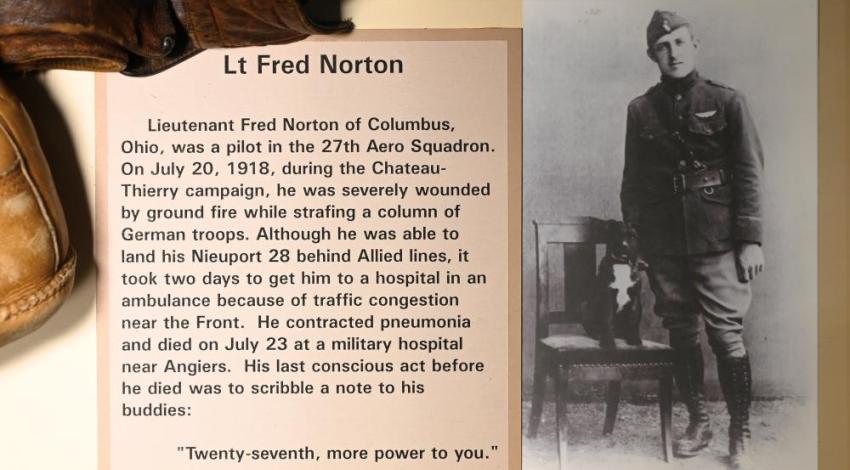
Two weeks before he graduated from Lakeside High School in May 1912, Fred William Norton competed in the inaugural Ottawa County track meet.
Most kids of the day ended schooling and began working full-time after eighth grade. But Norton took a different path. He entered Lakeside High School (now Danbury High) in 1908. Along with track, he also competed in football, baseball, and basketball, and he carried a 4.0 academic average all four years there.
According to the Lakeside Heritage Society, he also worked for a local railroad, operating a locomotive and cleaning and repairing buildings and equipment. He often clocked 10-hour days, six days a week.
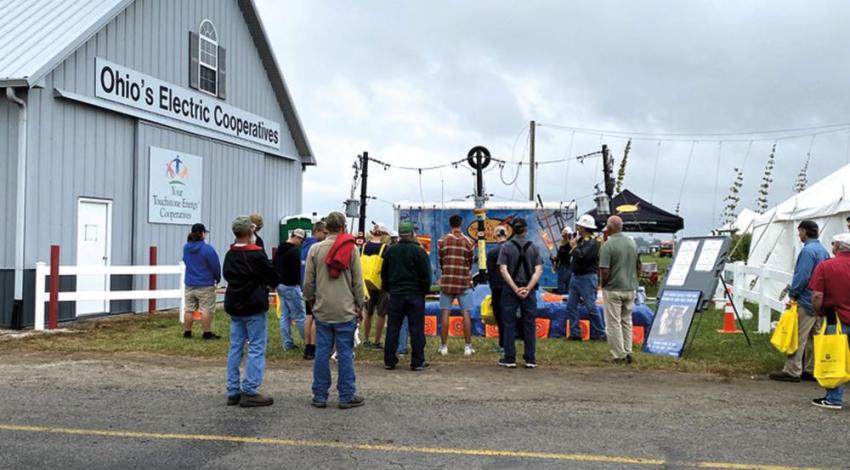
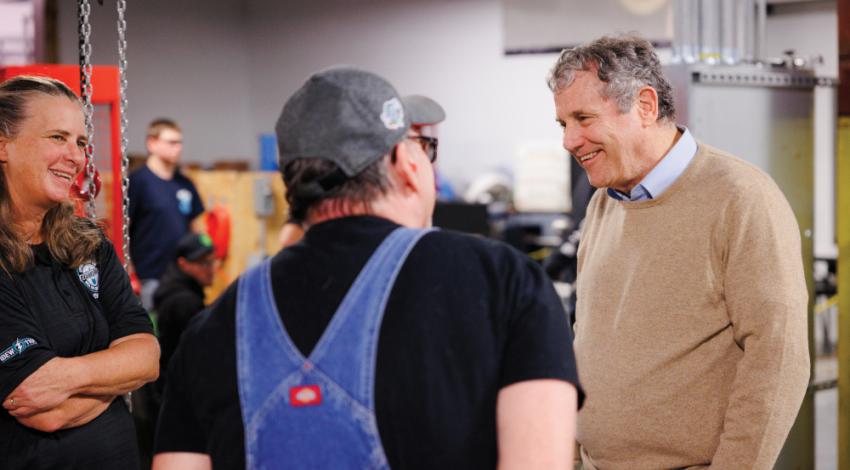
It’s not unusual for the crew of lineworkers from Lancaster-based South Central Power Company to hang around and make small talk with attendees after they’ve finished their hourly live-wire safety demonstrations at the annual
“Our guys are really good about making sure they answer everyone’s questions, and they’ll stick around as long as they need to,” says Candi Fisher, member engagement coordinator at South Central Power, who coordinates the mobile safety demonstrations for the co-op. “They could tell this older gentleman wanted to talk to them and so they went over to say hello.”
“You saved my life,” the man said.
“That’s not something you hear every day,” Fisher says. “But he was very insistent. He made a special trip there that day to thank the guys who had saved his life.”
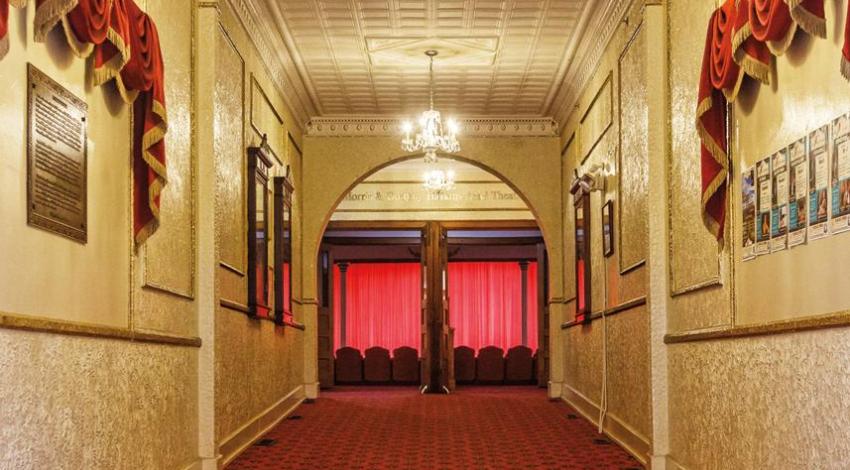
When Lora Lynn Snow first saw the inside of the Ariel Opera House in 1987, the first thing she noticed, of course, was the quarter-century’s worth of bird droppings that coated just about everything.
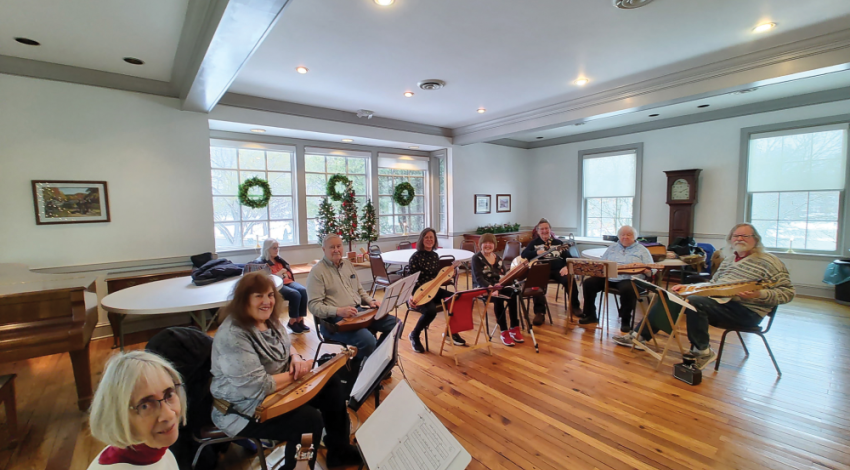
Today, thanks to that love affair — and a lot of hard work — Gallipolis (population 3,300) is home to one of the most distinctive, if unlikely, symphonies in the country. The Ohio Valley Symphony, replete with tubas, French horns, cellos, bass violins, flutes, harps, trumpets, oboes, clarinets, bassoons, and more, begins its 34th season of performance at the Ariel this month.
The hills that hem in this tiny Ohio River town on the southern tip of the state are truly alive with the sound of music.

It took more than 6,000 years for the last ice sheet, the Wisconsin Glacier, to spread across what is now Lake Erie and Ohio, at an average rate of about 160 feet per year.
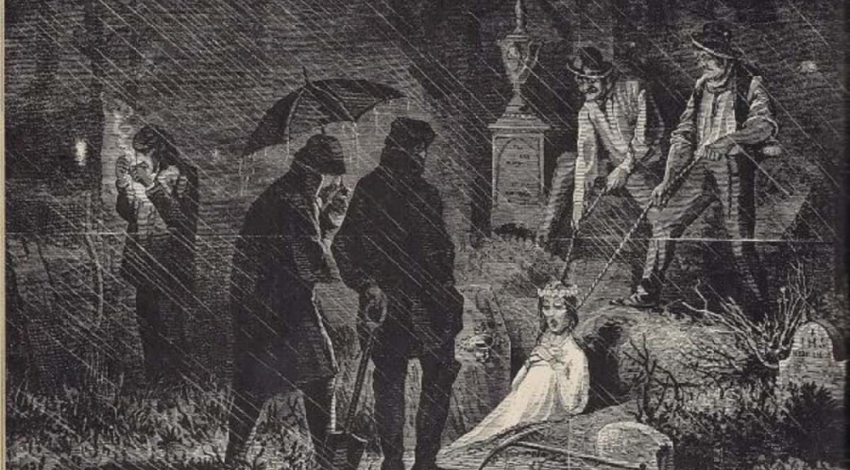
“Even into medieval times, bogs and fens remained mystical and frightening places,” says Denny, a member of Mount Gilead-based Consolidated Cooperative. “Fueling some of those fears was a natural phenomenon known as ‘will-o’-the-wisp’ or ‘jack-o’-lantern’ — a mysterious, flickering light often observed hovering and moving around at night within bogs, swamps, and marshes.