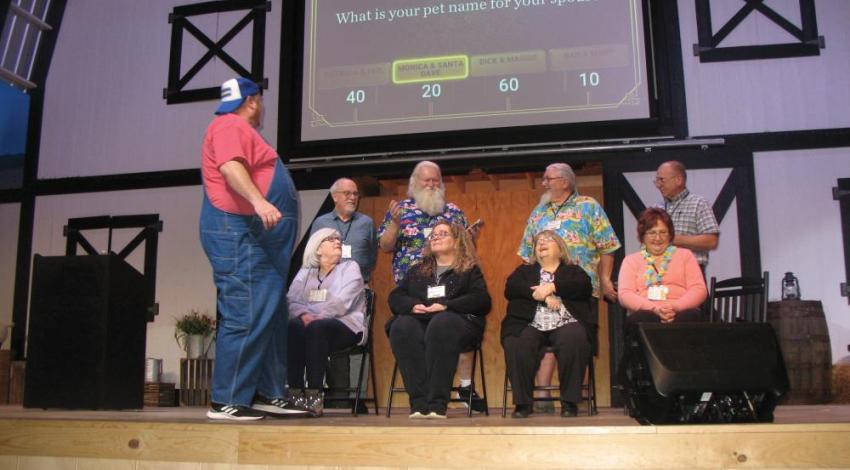
Vacation cruises are among Tom and Sally Davies’ favorite ways to relax. Three-day all-inclusive getaways with exceptional food, a variety of entertainment options, and lots of lounging by the pool while making friends with your fellow travelers — what’s not to love?
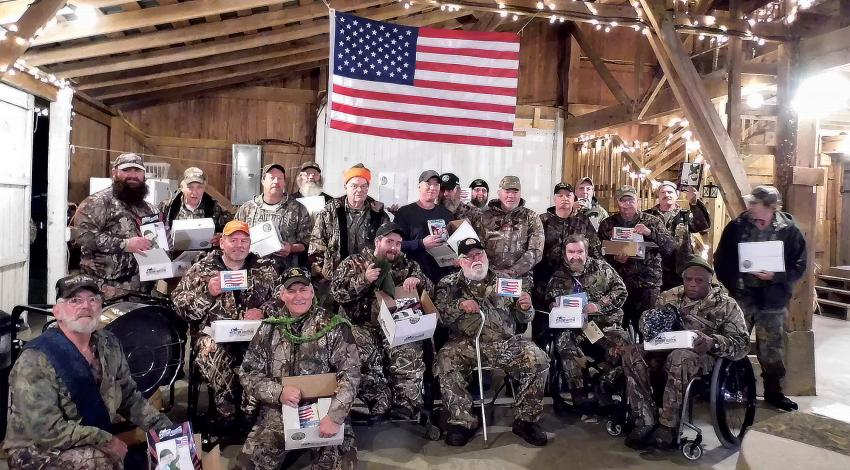
The land cruises “embark” about once a month, drawing landlubbers from throughout Ohio and neighboring states. Festivities commence on a Tuesday afternoon and continue through checkout the following Thursday morning.
There is no gangplank to negotiate and no required program on the proper way to use life preservers. Just belly up to the reception desk for colorful leis and the lanyards that serve as tickets for the duration.
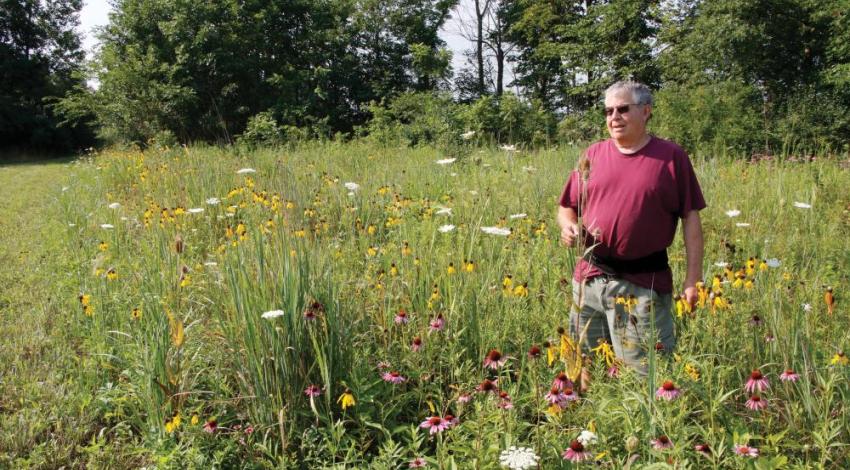
It’s easy to tell you’re approaching the farm of Union Rural Electric Cooperative member Steve Graham.
The original farm contained a few small woodlots, which Graham kept. Also, because much of his ground is made up of water-loving hydric soil, he built a sizable pond and large wetland, paying for their construction through cost-sharing. The wildlife haven now attracts myriad songbirds, waterfowl, pollinators, white-tailed deer, and even a bald eagle or two.

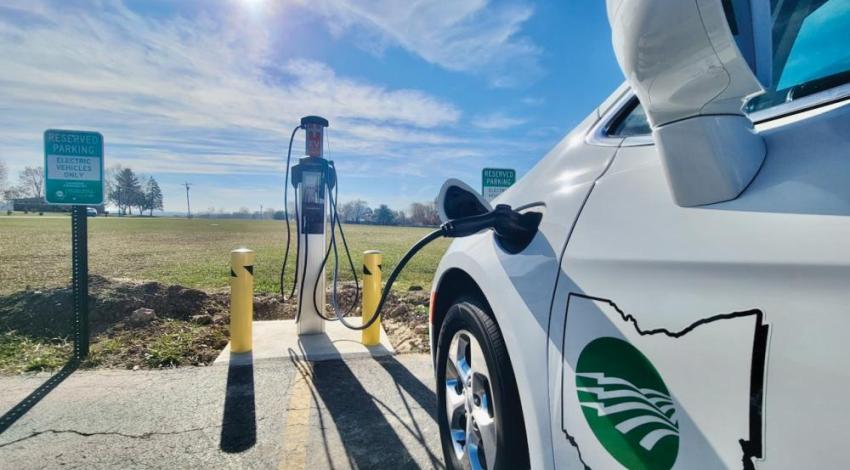
Seemingly every week brings a new story about how electric vehicles are growing in popularity. While that’s true in general, the trend isn’t consistent everywhere.
In Ohio, the penetration of EVs in rural regions is less than half of that in cities and suburbs. Electric cooperatives in the state recognize that there’s some portion of their membership that might desire an EV but holds back based on outdated or incorrect assumptions.
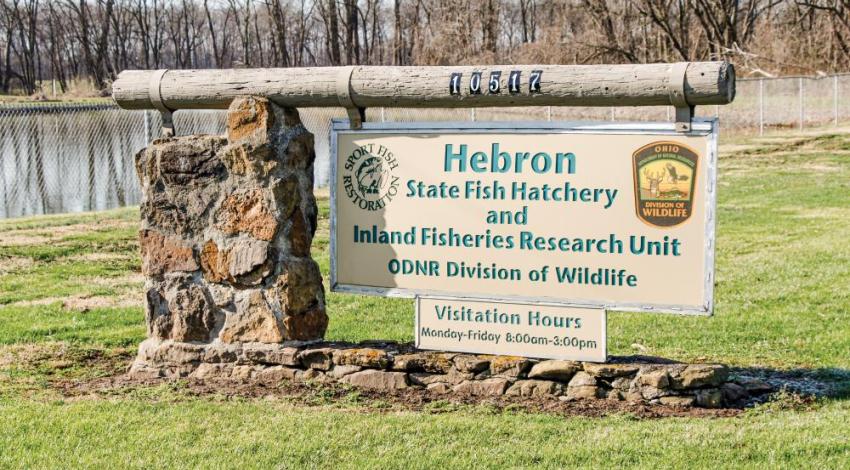
Do you like to fish? Me too. As a kid, one of my earliest memories was of sitting beside a pond fishing for bluegills with my father.
“The majority of Ohio’s fish populations are sustained through natural reproduction,” says Chris French, fish hatchery program administrator. “However, stocking expands and diversifies fishing opportunities in waters where existing habitats don’t support some fish populations. Stocking is only one of many fish management tools used by the Division of Wildlife to improve angling.”
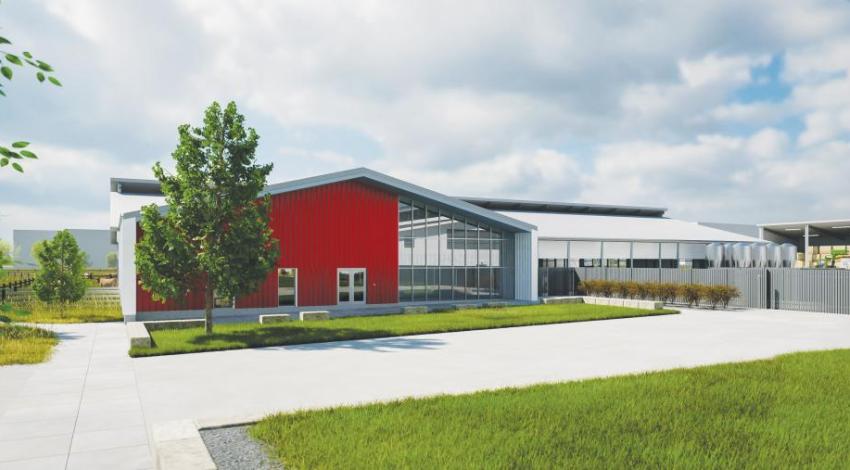
Ohio State University’s herd of Jersey dairy cows will soon have a permanent new home. The cows, currently in temporary housing at OSU’s Wooster campus, should be back in Columbus in a new $6.2 million facility by the end of the year.
The dairy’s prime location just off of Lane Avenue, near the main entrance to the Columbus campus, reinforces the importance of agriculture to the university and the state, says Maurice Eastridge, senior associate chair of animal sciences and dairy extension specialist at Ohio State, and the new dairy was designed with education of students as the top priority. “Public education and research needs are its second and third missions,” Eastridge says.

Affordable and reliable electricity strengthens cooperative communities and enhances the lives of members wherever they are — on farms, in homes or schools, at their small businesses or large retail establishments, or even in industrial and manufacturing facilities. While it’s essential to meet our obligations to current cooperative members, we must also work to support economic development activities that help attract new people and enterprises to cooperative territories, with the aim of further benefiting these communities.
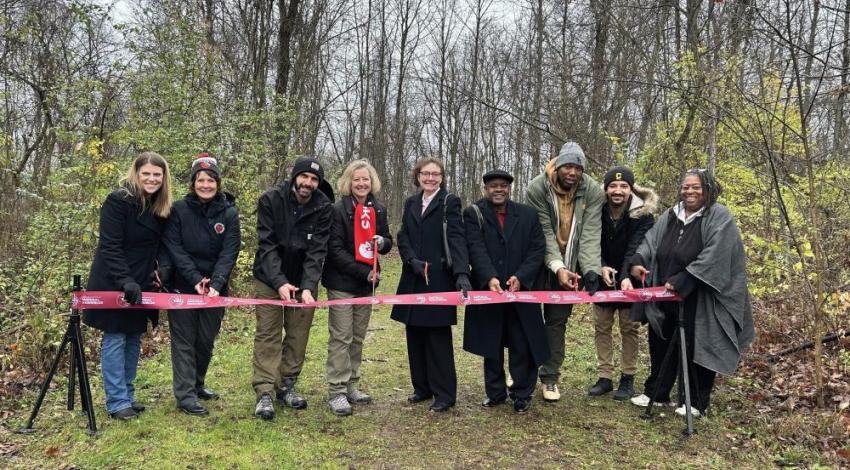
Along the eastern edge of Alum Creek State Park in central Ohio runs a thoroughfare called Africa Road. I’ve lived in the general vicinity for years, and the road’s name always seemed a bit odd to me.
Late last fall, just off Africa Road in Alum Creek State Park, the ODNR unveiled the first of four planned “Heritage of Freedom” trails in the state commemorating Ohio’s contribution to the Underground Railroad. “The Underground Railroad is a key part of Ohio’s history,” says Mary Mertz, director of ODNR. “This Heritage of Freedom Trail serves as a visual history lesson and provides an immersive way to see what freedom-seekers faced in Ohio’s natural environment during this time in history.”