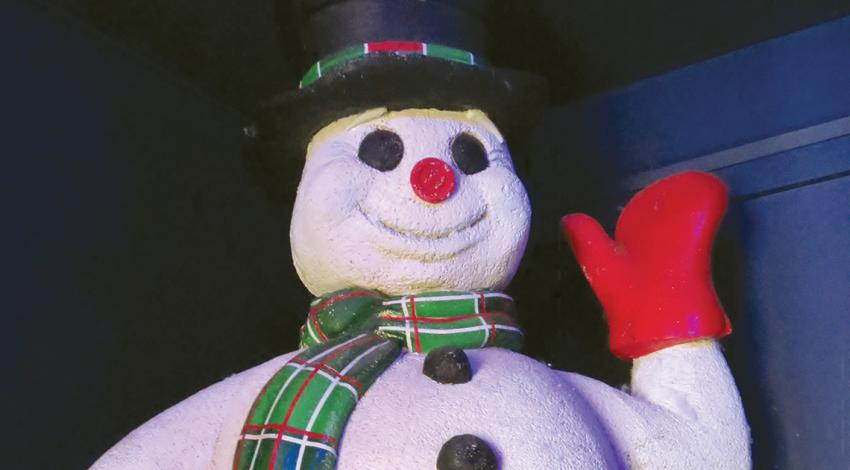
Given the COVID-19 pandemic, it seems as if everyone could use some holiday cheer, and Castle Noel in Medina is just the place for a healthy dose of everything merry and bright.
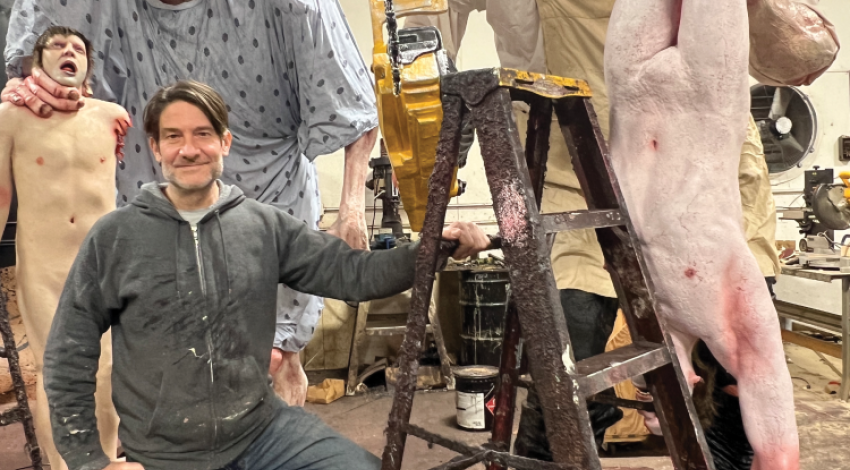
Yes, Klaus is his actual last name, and with his white beard and lifelong love of Christmas, he not only looks like Kris Kringle but also possesses a kind of Clark Griswold-like zeal that one would expect of someone who has amassed the world’s largest collection of holiday movie costumes, props, and memorabilia.
Every now and then, Anthony Smith, president and CEO of Union Rural Electric Cooperative in Marysville, finds he’s dashed out of the house in the morning without eating breakfast, so he ends up in the drive-thru lane at the fast-food place next to his office to grab a bite
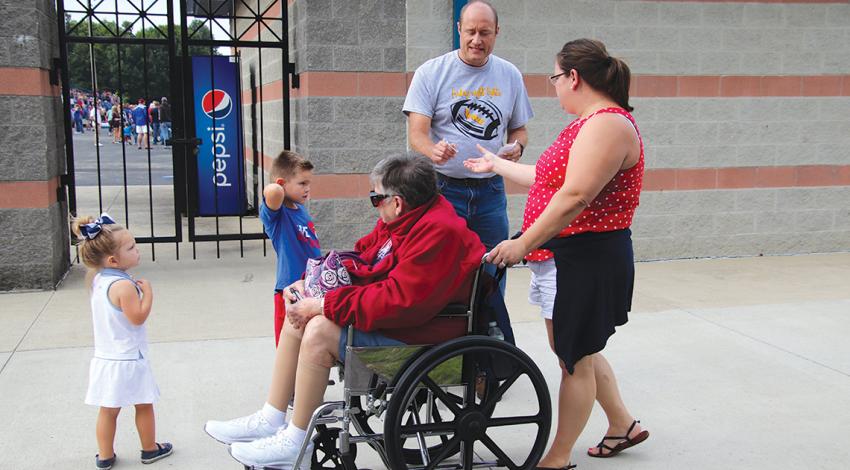
Every now and then, Anthony Smith, president and CEO of Union Rural Electric Cooperative in Marysville, finds he’s dashed out of the house in the morning without eating breakfast, so he ends up in the drive-thru lane at the fast-food place next to his office to grab a bite on his way to work.
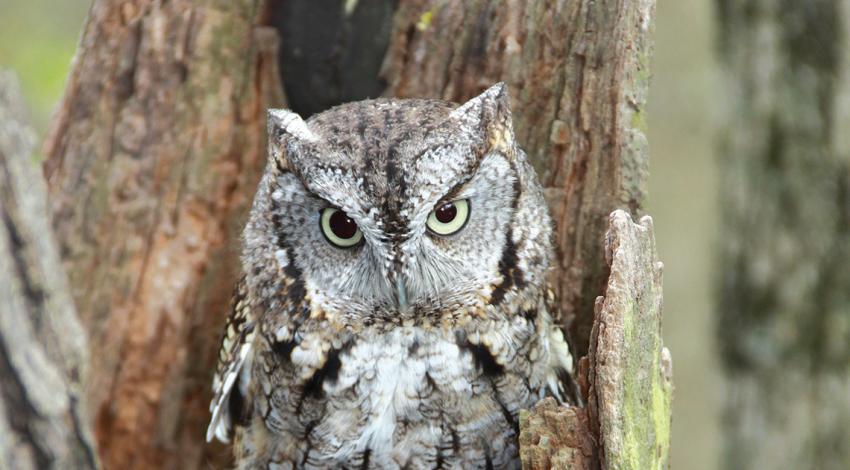
A professor of biology and ecology at Ashland University, Merrill Tawse has been running the same wild-bird survey route annually for more than 40 years. It’s not for his work, though; it’s purely for pleasure.
Before 1900, rural people engaged in a holiday tradition known as the Christmas “side hunt.” Sides (teams) were chosen, and team members fanned out through the countryside with their rifles and shotguns. Whichever team amassed the most feathered or furred quarry by the end of the day won the contest.
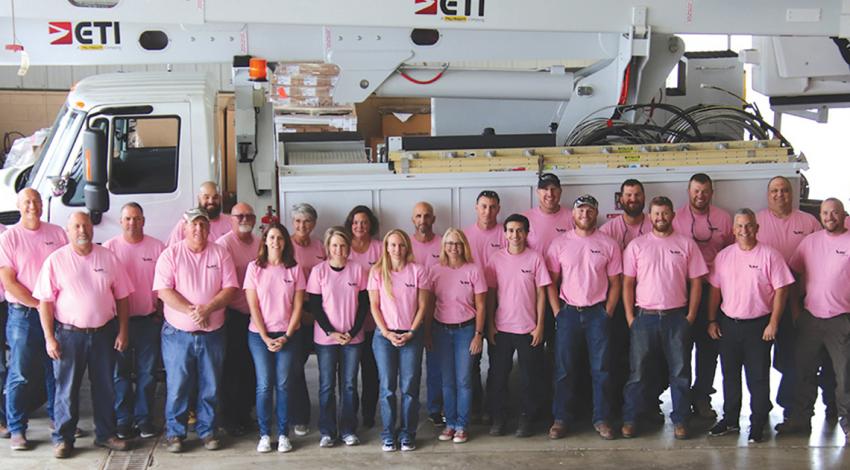
Just to the northwest of Columbus, Union Rural Electric Cooperative (URE), based in Marysville, is a not-for-profit electric and natural gas distribution cooperative serving over 10,000 consumer-members. Alongside the city of Marysville and Union County, URE has enjoyed pro
Diverse membership
Unlike the typical rural electric cooperative, URE boasts an impressive mix of residential, commercial, and industrial accounts. The mix includes automotive manufacturing facilities and several automotive suppliers, which are critically important to the economies of Union County and the state of Ohio. The cooperative serves a few K-12 school facilities and families with students enrolled in five school districts.
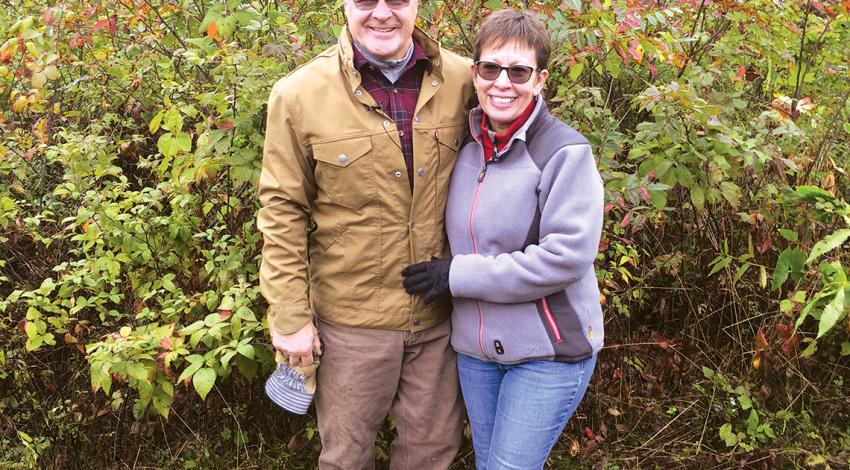
In Buckeye State forestry circles, having your woodlands named Ohio Tree Farm of the Year is a big deal. To have your woods named National Tree Farm of the Year is a really big deal. To garner both those titles in back-to-back years is simply off the charts.
The Clums are members of the Ohio Tree Farm Program — first organized in 1946 — a part of the American Tree Farm System. The goal of both the national and state programs is to assist private landowners with better managing their woodlands for wood, water, wildlife, and recreation.
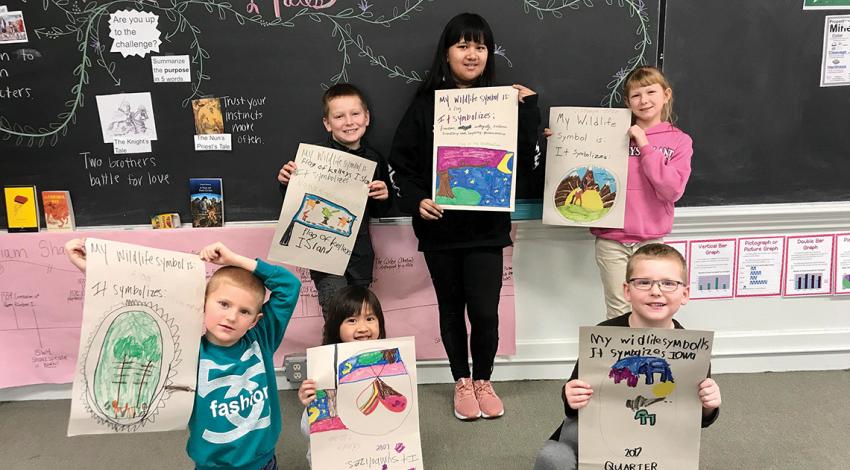
Kelleys Island is both the largest American island on Lake Erie and also the town that covers the island’s entire 4.4 square miles of land. During summer, it’s one of Ohio’s most popular travel destinations, drawing upward of 250,000 visitors during the tourist season.
There is no bridge to Kelleys Island from the mainland, 5 miles away. Air service is available year-round — but only weather permitting. Kelleys Island Ferry Boat Line schedules service into late fall and resumes service in the spring, but some years, the lake ice can linger, and spring fog can cause flights and ferries to be canceled. It’s never a sure bet whether you can get on or off the island in a pinch.
In the early 1900s, it was common for more than 1,000 residents to brave the conditions and stay the winter, but today that number is more like 100 to 150.
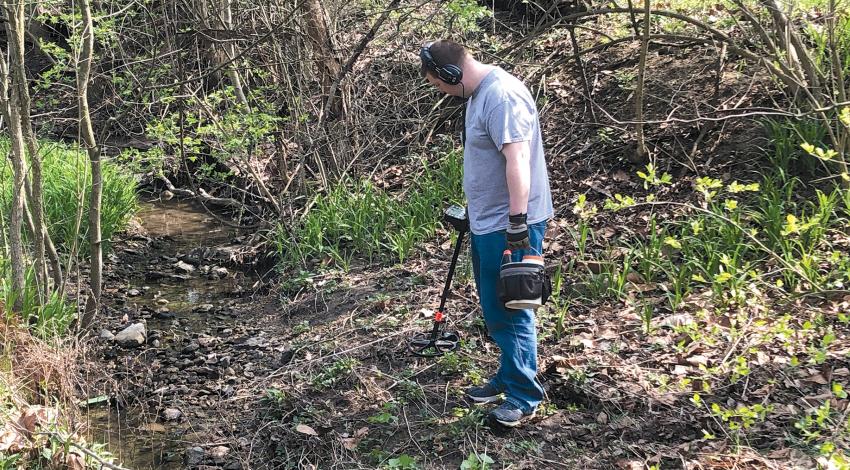
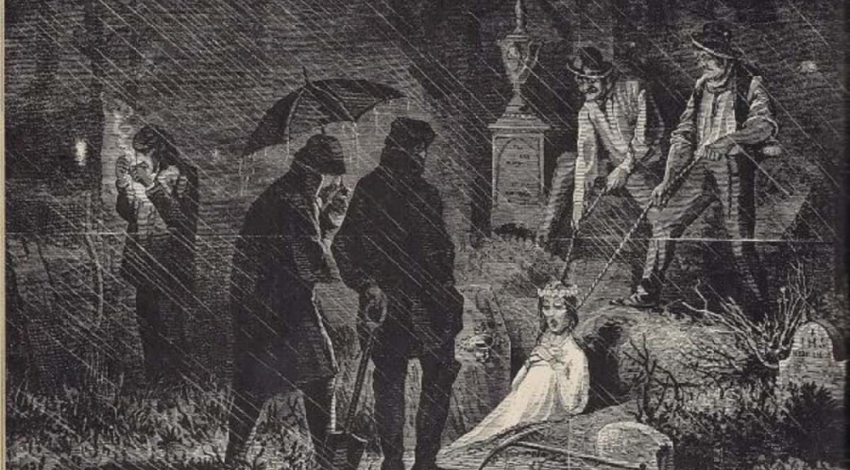
We all know that Ohio is full of treasures. From Cincinnati chili to Cedar Point to the hollows of Hocking Hills, the gems gleam. Legends abound, however, of treasure in the more traditional sense — buried or stashed around the Ohio countryside.
Stark treasure
It was 1755, and the French had been trying desperately to repel attacks by the British on Fort Duquesne, France’s outpost in Pittsburgh. Fearing the fort’s imminent fall (it actually held out until 1758), some French soldiers started to evacuate valuables from Fort Duquesne — including a hoard of gold and silver used for military payroll.

You’ve been earning and learning in your pajamas, so why not do your holiday shopping in them, too? Artisans, craftspeople, and entrepreneurs throughout Ohio produce a wide range of exceptional items that you can buy online or by telephone.
Antiquation, Medina
Designer Eric Schultz creates rustic and highly original home décor from reclaimed wood and metal. His Ohio-shaped cutouts cleverly showcase both materials and can be made to your specifications. If you like his style but don’t know what to choose, Antiquation offers gift cards that come in a string-drawn burlap sack.
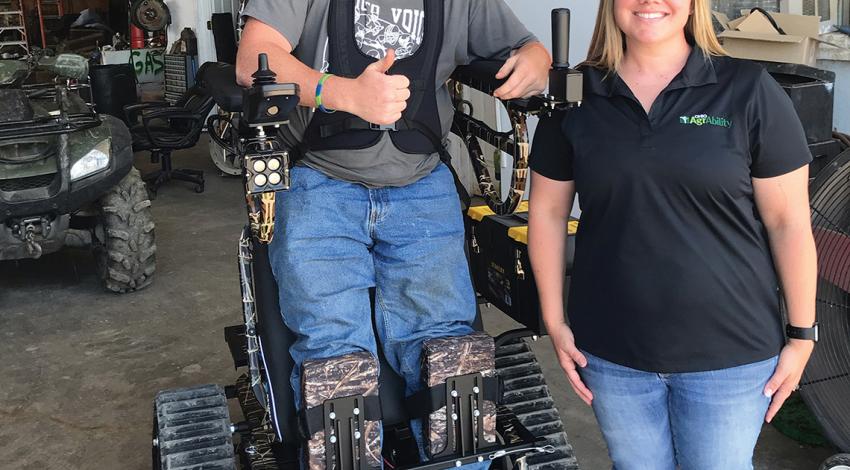
Nineteen-year-old Kane Lewis’ life changed instantly on Nov. 16, 2019. While he was on a hunting trip, he had a seizure that caused him to fall from his tree stand — breaking his back and leaving him paralyzed.
Working with state agencies, AgrAbility helped Lewis get a lift to put him on farm machinery, an Action Trackchair that will go over any terrain, and an automatic barn door opener.
“AgrAbility has given me so much more freedom than I could have expected,” Lewis says. “I didn’t [have to] slow down.”
Just a month and a week after his accident, Lewis was back in college, where his classmates raised $13,000 to buy him an electric wheelchair to get around campus easily. By spring, he was back planting corn and soybeans.