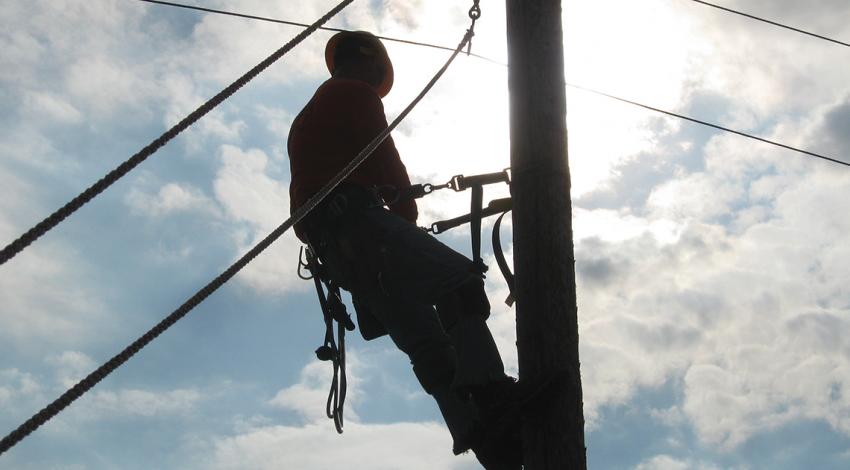
April 12 is Lineworker Appreciation Day, when we take time to honor the bravery and dedication of the people who do the dangerous work of keeping our lights on every day.
It’s easy to take the luxury and convenience of electricity for granted. It’s invisible and so reliably available that we seldom give it a second thought. Even after the devastation of those southern Ohio ice storms, we took comfort in knowing that once our workers got the lines restored, those lights would go right back on, thanks to a reliable source of electricity.
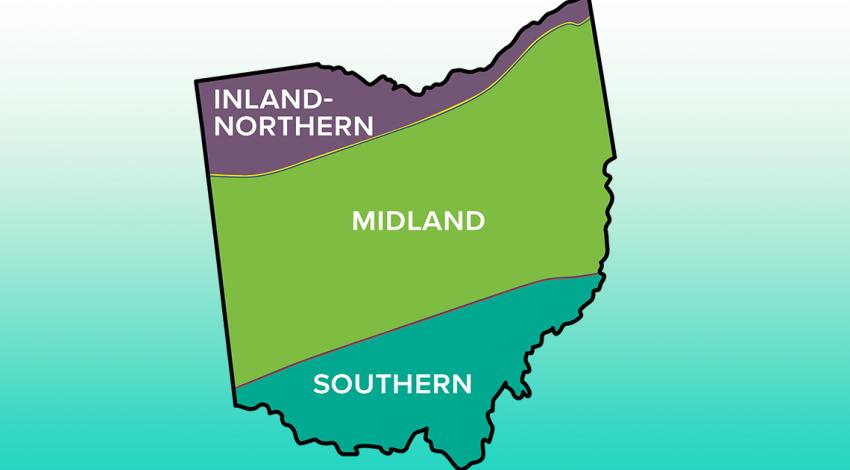
Do you say “crick” or “creek”? “Mom” or “mahm”? How about “wash” or “warsh”? Your answers can pinpoint which part of the state you’re from.
“Individual cities and areas develop their own ways of speaking,” Campbell-Kibler says. “Some small changes start locally and then spread, but other changes begin in, say, Toledo and do not happen anywhere else.”
Let’s take a closer look at how Ohioans speak.
Ohio’s Midland accent
Read this sentence out loud: It will be a merry day when Mary agrees to marry John.
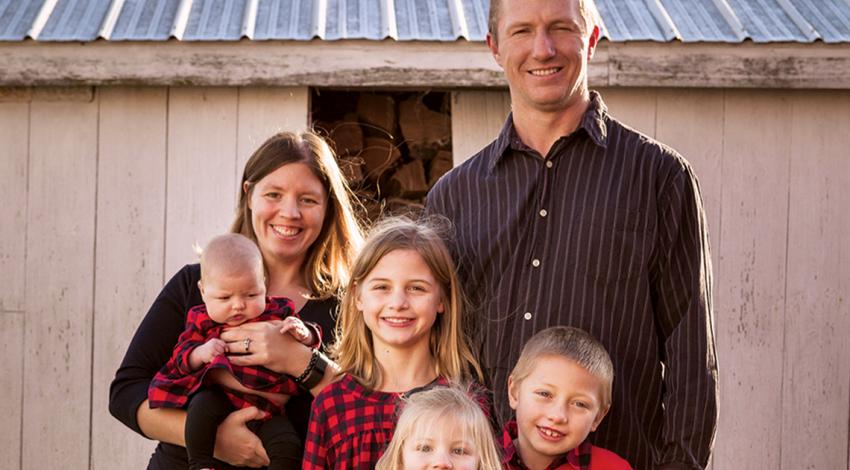
It was a sunny, clear-blue-sky day on June 16, 2018. It also was a day that would forever change the lives of Leah Fullenkamp and her family.
While he was driving his tractor on the roadway, a distracted driver — shopping on her phone and, based on crash reconstruction analysis, distracted for a full 16 seconds — plowed into the tractor and took John’s life.
From that moment, everything changed. John’s death left Leah to raise their children, ranging in age from 8 months old to 9 years, by herself. “I lost my husband, my partner, and the father of my children,” Leah says. “Life got hard — really hard — and it happened instantly.”
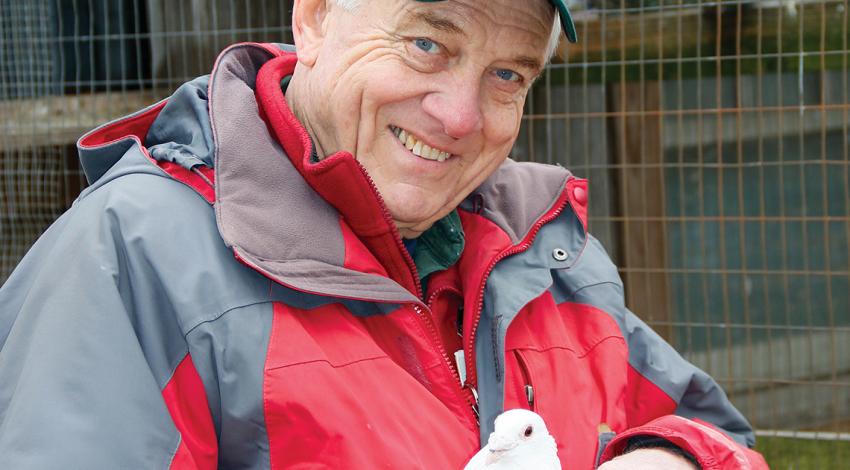
Most men, believing ourselves invincible at one time or another in our lives, can think back to boyhood and remember doing at least one thing so incredibly dangerous that we were lucky to survive. Consolidated Cooperative member Guy Denny is no exception.
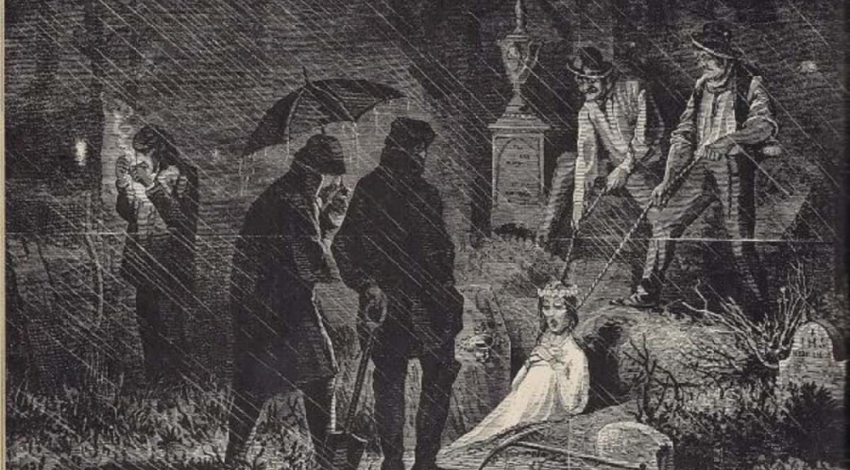
After dark one night, he and a young buddy climbed out on the massive, metal I-beams that support the bridge. There, beneath the bridge, with cars whizzing past just a few feet overheard, his buddy shined a flashlight beam into the eyes of the mesmerized pigeons while Denny grabbed them one by one and shoved the birds into a burlap bag. The boys’ poke was nearly full when Denny reached for one last bird — a beautiful, nearly pure-white pigeon — and promptly lost his footing on the bridge.
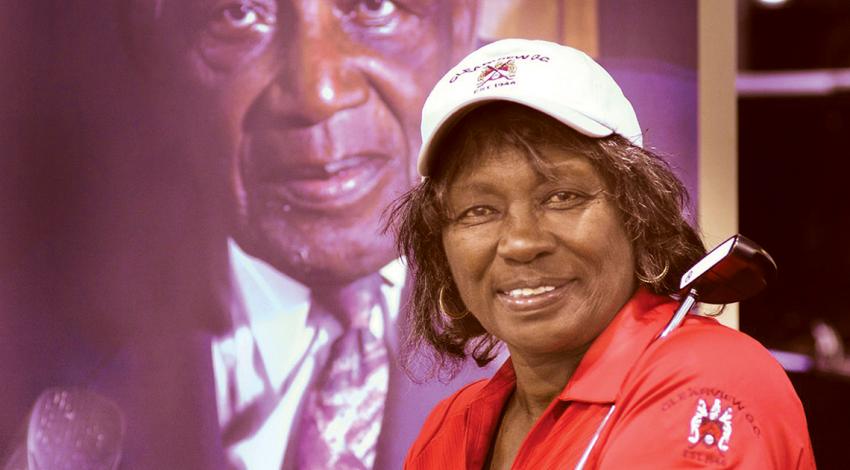
Work hard. Be twice as good. Don’t let anyone else define you. Find your way around obstacles.”
The life lessons that Bill Powell instilled in his daughter, Renee Powell, were sharpened with his boots on the ground … and his golf shoes on the course.
Tenacity to get the job done
Working nights as a security guard, Bill would return home at dawn and get to work. Using hand tools and pulling a mower with an old Army Jeep, he transformed a former dairy farm near Canton into a nine-hole public course that he opened to all. It later expanded to 18 holes. Named a National Historic Site by the U.S. Department of the Interior, Clearview is still the only golf course in the country designed, built, owned, and operated by an African American.
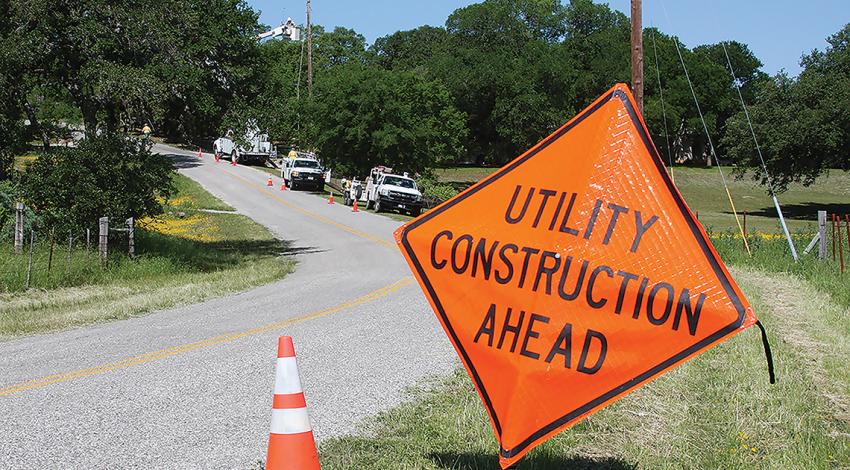
The constant presence of road crews, traffic cones, and orange barrels on Ohio highways, byways, and township roads is a way of life for Ohio drivers.
In the wee morning hours of Aug. 28, 2019, a line crew from Lancaster-based South Central Power Company was called to address a power hazard along State Route 73 near Hillsboro. An Ohio State Highway Patrol trooper guarded the zone while the crew established a new traffic path for drivers, setting cones and putting caution lights in place. As the linemen were about to begin work, the trooper confirmed that the work site met construction zone safety standards and headed out.

Looking like a miniature army helmet with legs, box turtles are unique in that they are the most terrestrial of Ohio’s nearly one dozen turtle species.
Alan Walter of Carrollton has extensively studied the box turtles living on his property in eastern Ohio. Walter owns a 150-acre tree farm in Harrison County that he manages for timber and wildlife, so he has spent countless hours in the woods over the past 30 years.

Darke Rural Electric Cooperative in Greenville serves about 5,000 members in Darke, Preble, and Mercer counties in west-central Ohio, along the Indiana border.
Community involvement
Darke Rural Electric’s Operation Round Up program allows consumer-members to round up their electric bills and donate the change to local charities and organizations. More than $414,000 has been donated since 2004. Darke REC awards $6,000 in scholarships each year to graduating seniors who are children of members and sponsors high school sophomores’ and juniors’ participation in the annual Youth Tour to Washington, D.C.

We state it frequently, but it bears repeating: Electric cooperatives are member-owned community resources, primarily tasked with delivering power that is affordable and reliable and is produced in an environmentally responsible manner.
One of the key takeaways from that is the term “community resource.” Co-ops aren’t only locally governed and managed; they’re economic powerhouses in their communities, fueling homes, businesses, schools, health care facilities — you name it — while also serving as local strategic partners. They provide both much-needed financial incentives and human capital to maintain, expand, and preserve local community resources.
Co-ops do much more than keep the lights on.