At the beginning of the 20th century, two brothers from Ohio launched a revolution in air technology at Huffman Prairie, a cow pasture located just outside of Dayton.
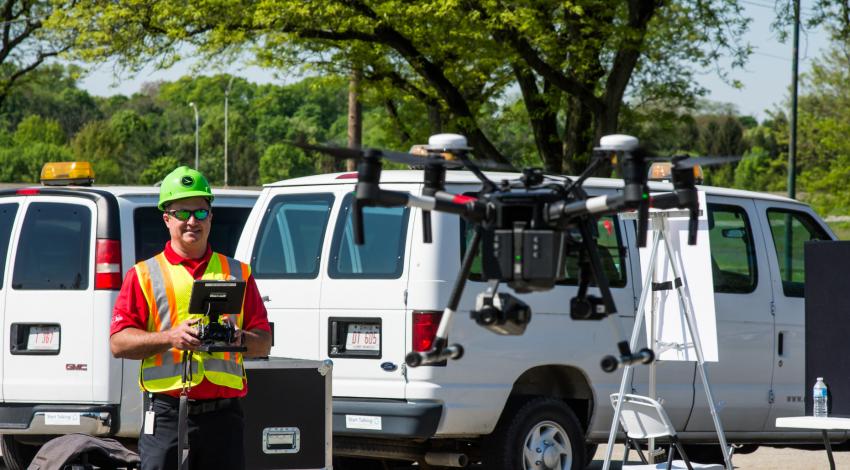
The Ohio Department of Transportation uses drones from the UAS Center to help with a variety of projects. In 2021, the center’s drone flight team logged over 2,200 flights for ODOT, including bridge inspections, construction assessments, facility inspections, mapping, and traffic and roadway monitoring.
Ohio’s Electric Cooperatives awarded 24 scholarships to outstanding high school seniors in its annual Children of Members Scholarship competition.

First place: Sara Newsome, South Central Power Company
Ranked first in her class at Hillsboro High School, Sara is accomplished academically and personally.
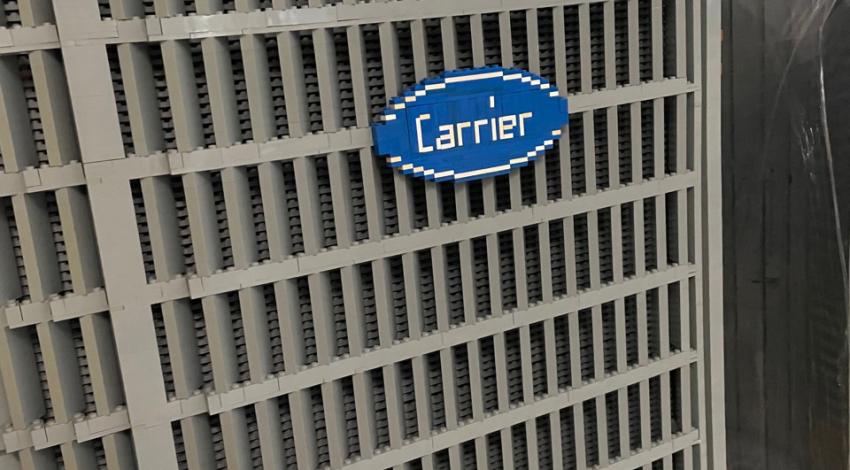
Like many kids, Conrad Brown loved Legos. He knew his dad shared that love, too.
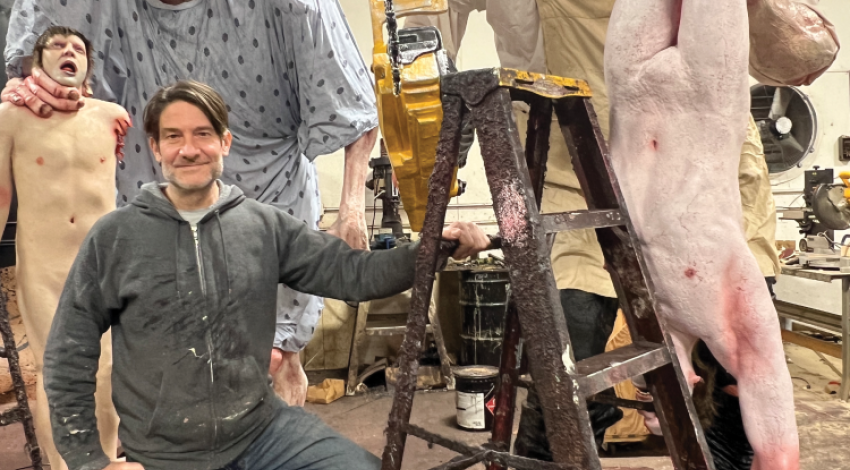
 The building’s main hallway features life-sized Larry Byrd and Kobe Bryant figures, among others. A prone man made of red Legos appears contemplative inside a case; nearby, a Lego dragon sits at a Lego campfire, roasting a Lego marshmallow.
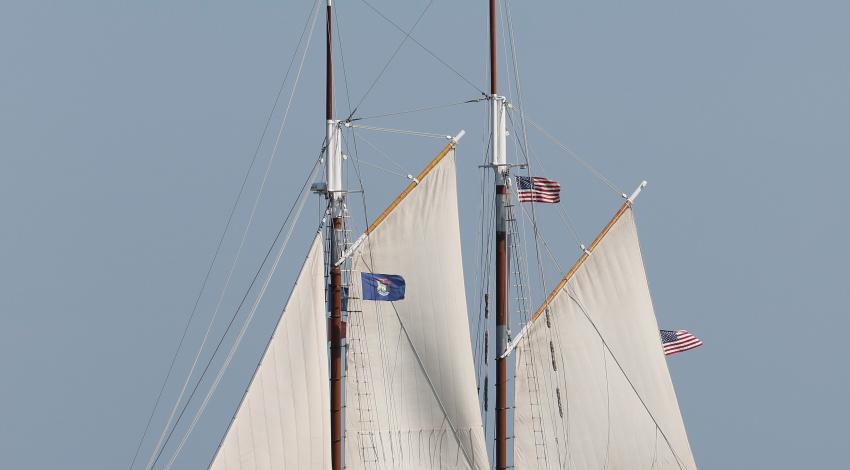
On Sept. 10, 1813, a few miles northwest of the Bass Islands on Lake Erie, a David-versus-Goliath confrontation pitted the fledgling United States Navy against a fleet of mighty British warships during the War of 1812.
Shortly after the cannon smoke cleared, Perry scrawled what has since become a famous note on the back of an envelope to send to his commanding officer, Maj. Gen. William Henry Harrison (who would, of course, go on to become the ninth president of the United States):
Dear General: We have met the enemy and they are ours.

If you’re an angler, at least once during your lifetime you must experience the unique, majestic beauty of a Lake Erie sunrise.
“I enjoy teaching people, male or female, young or old, the sport of walleye and yellow perch fishing on Lake Erie’s Western Basin,” she says. “I probably average about 100 guiding trips per year, from the islands east to Huron, depending on where the fish are biting.”
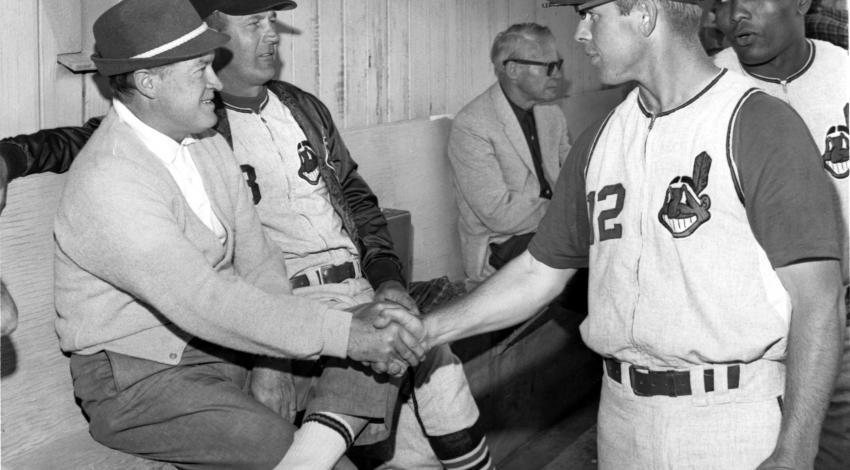
When the Cleveland Indians changed their name to the Cleveland Guardians last year, the rebrand was more than a tribute to the stalwart, Art Deco-style statues — known as the “Guardians of Traffic” — that grace the Hope Memorial Bridge near Progressive Field.
Born Leslie Townes Hope in a London suburb in 1903, Bob Hope was the fifth of the seven sons of English stonecutter William Henry “Harry” Hope and his wife, Avis. Harry brought his family to Cleveland in 1908, and in the early 1930s, he helped create the “Guardians of Traffic” for the city’s Lorain-Carnegie Bridge. After extensive repairs were completed in 1983, it was rechristened the Hope Memorial Bridge because of Harry’s work on the now-iconic “Guardians.”

We are becoming all too familiar with the unpleasant reality of high inflation rates for nearly everything we buy. A significant factor in the higher cost of goods and services is the runaway price of most forms of energy — the price of crude oil, gasoline, natural gas, coal, and propane have all increased, by 30, 40, even 50% over the past year.
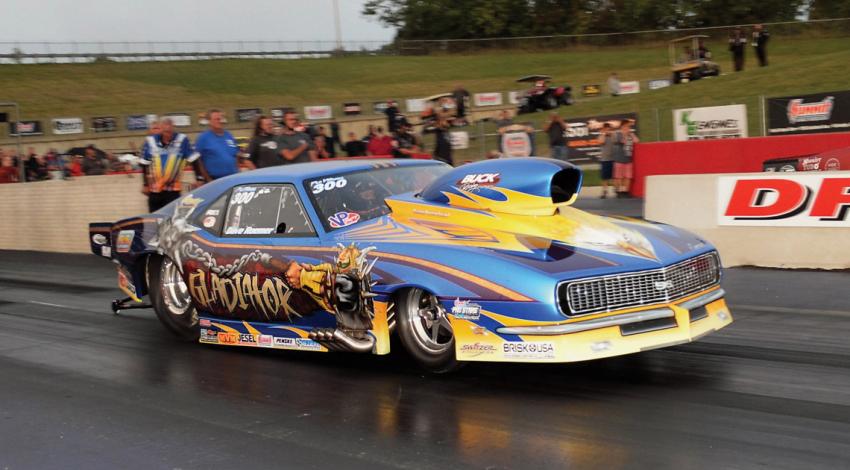
Jeff Gates, a tool and die maker from Republic, was hoping to introduce his 1965 Ford Ranchero to the world during Thursday Night Thunder on this fine evening at Dragway 42 in the Wayne County village of West Salem. The car, however, had other ideas.
When asked if he couldn’t just drop it off at a local garage and have them repair it, the veteran racer laughs.
“No, this is the fun part,” he says. “At least most of the time, so long as you get to run them every now and then. I just enjoy building this stuff.”
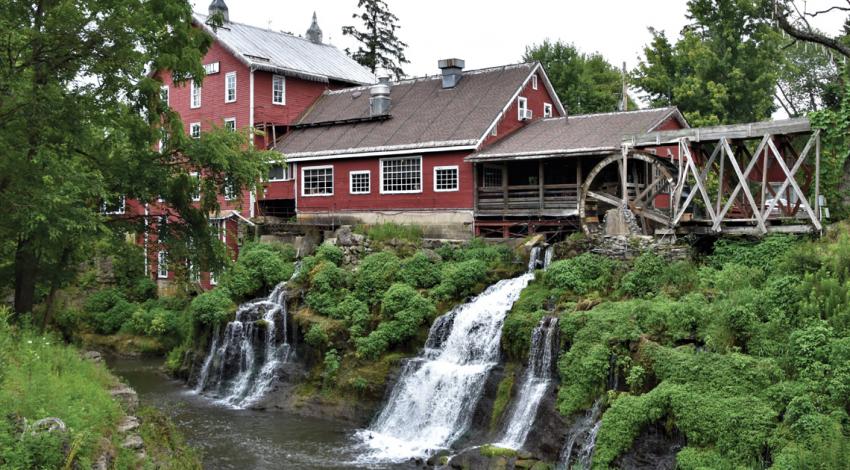
There’s nothing quite like a waterfall, where a stream plunges over a precipice with a roar and a sense of seemingly eternal beauty that’s sought after by generation after generation.
Clifton Mill
75 Water Street, Clifton
Two waterfalls on the Little Miami River have powered Clifton Mill, which sits on the gorge, for more than 220 years. The mill is the largest of the 47 remaining gristmills in the nation. The best view of the mill and falls is from a covered bridge spanning the river. It’s an easy trek and a popular tourist attraction in addition to the restaurant and gift shop housed in the mill (see photo background in the above gallery).
Clifton Gorge
State Nature Preserve
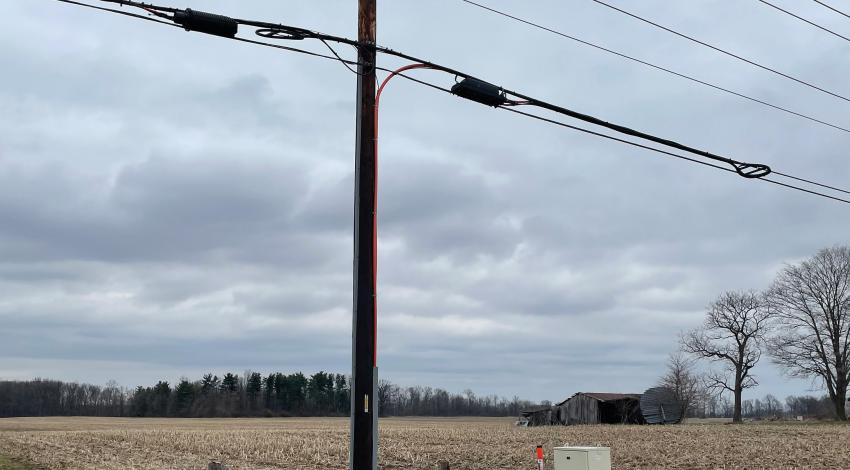
Anyone living in a rural area of Ohio knows there’s a problem with internet service.
The need for speed
Lack of high-speed internet access affects students’ ability to learn, individuals’ ability to work, and businesses’ ability to prosper, because every day the world is becoming more digital. Online classes, remote work, and Zoom meetings are becoming more and more the norm, and without broadband, those digital tools are simply unavailable.
There can be no doubt that electric cooperatives will play a part in bridging that digital divide.