Nothing says summertime more than festivals, and Ohioans are more than ready this year to pack up the wagon and picnic blankets and hit the town for a day of food, fun, and music — all in the name of community spirit and a good time.
Kalida Pioneer Days
Kalida Pioneer Days (Sept. 8–11) holds the distinction of being the oldest Ohio festival, dating back 150 years to the first meeting of the Putnam County Pioneer Association, now known as the Putnam County Historical Society. The event, now co-sponsored by the Kalida Lions Club and the Kalida Firemen’s Association, has become a homecoming of sorts, drawing folks by the thousands.

The hours of bright sunshine that come with scorching Ohio summers often spur people to consider harnessing energy from the sky’s brightest star with rooftop solar panels.
Bright side
Demarco Deshaies of Rockridge in Hocking County decided to investigate solar as a backup after losing electric service for several days following a devastating February 2022 winter storm.
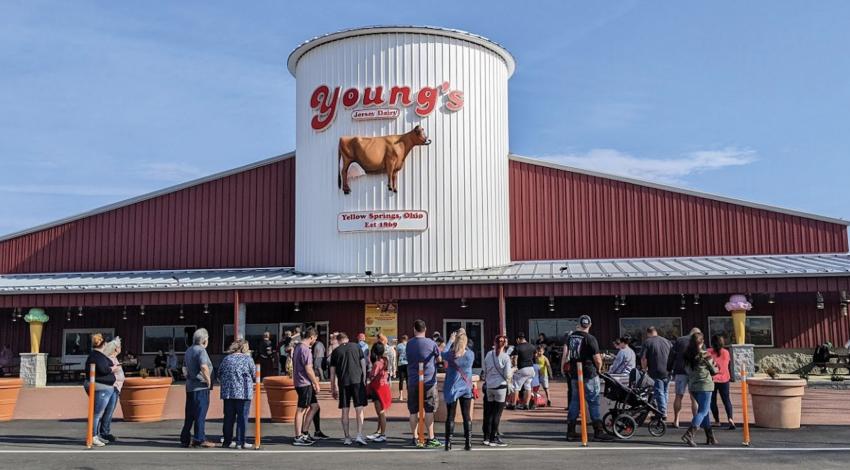
It's no surprise that Ohio ranks in the top 10 of ice cream-producing states. Its rural heritage provides a steady supply of the main ingredient — and several families through history began traditions that remain in place today.
Velvet Ice Cream
Utica, 1914
Immigrant Joseph Dager arrived in Ohio in 1903 and began making ice cream in Utica in 1914. Within two years, he was producing 200 gallons of ice cream every month, and the creamy, velvety texture inspired the name Velvet Ice Cream.
In 1960, an old grist mill became the company’s permanent home. Ye Olde Mill houses a turn-of-the-century ice cream parlor that opened in 1970 and welcomes 150,000 guests each year.

The statuesque fellow known as Number 43 definitely needs a pedicure before heading to the big show. He won’t, however, be strolling into the neighborhood salon.
Watson, a member of Guernsey-Muskingum Electric Cooperative in New Concord, says cows have cloven hooves, meaning each has two separate claw-like toes on each of their four feet.
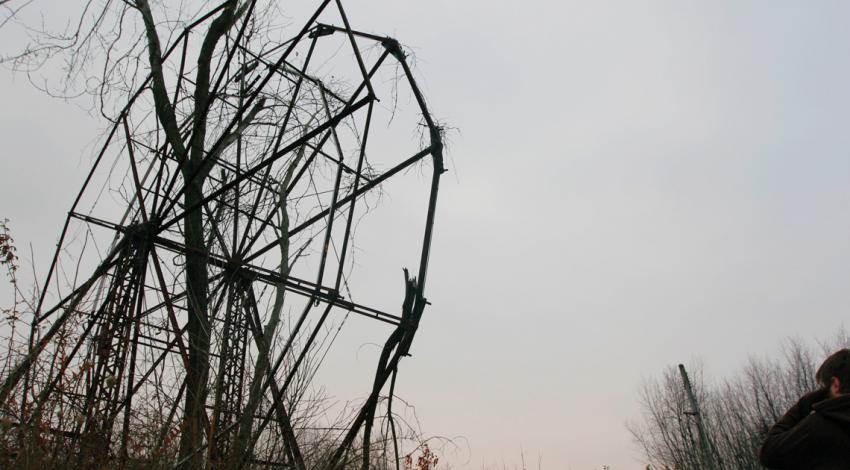
Theme parks never really die.
Amusement parks in Ohio date as far back as the mid-1800s. In fact, Cedar Point originally opened as a public beach in 1870. Kings Island, while celebrating its 50th anniversary this summer, traces its origins to nearby Coney Island, which also opened originally in 1870.
Sometime soon — perhaps sometime this month, but certainly in July and August — you’re likely to see a “peak alert” notice from your electric cooperative.
What’s the peak?
It’s important that consumer-members are aware of those peaks because electric rates for the entire year are based on the highest points of usage during the year, referred to as “peak demand.”

I’ve lived in Ohio all my life, spent tons of time in the outdoors, and have never encountered a black bear in the wild in the Buckeye State. That’s not to say they’re not here, of course.
Predictably unpredictable, black bears are not the bumbling oafs or cuddly teddy bears they are portrayed to be on some television nature programs. No matter where they live, by nature a bear is still a bear, and they are much stronger, smarter, and more adaptive than most people realize. They are also fast, able to run 30 miles per hour for a short distance (the best an Olympic sprinter can do is in the low 20s). It is the wise wildlife photographer who gives bears a wide berth.

At the beginning of the 20th century, two brothers from Ohio launched a revolution in air technology at Huffman Prairie, a cow pasture located just outside of Dayton.
The Ohio Department of Transportation uses drones from the UAS Center to help with a variety of projects. In 2021, the center’s drone flight team logged over 2,200 flights for ODOT, including bridge inspections, construction assessments, facility inspections, mapping, and traffic and roadway monitoring.