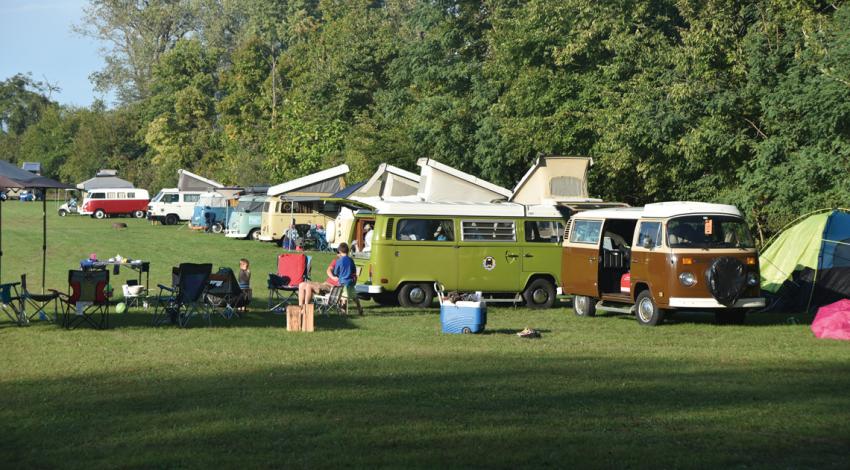
Love of kombi is an affliction that runs deep and can span decades — ask anyone who suffers. Specifically, ask those who assemble at the Kelleys Island 4-H campground each autumn for LEAKOIL’s annual weekend camping event, Kombis on Kelleys.
Esquivel said there are disadvantages to owning an old bus, including the “old rust-bucket” itself (as she describes her 1972 camper) and the constant attention it requires.
“People are always saying, ‘I love your car!’ and ‘Can I look inside?’” she says. “Of course, I always let them. And people offer to buy it all the time, too, but I would never sell it.”
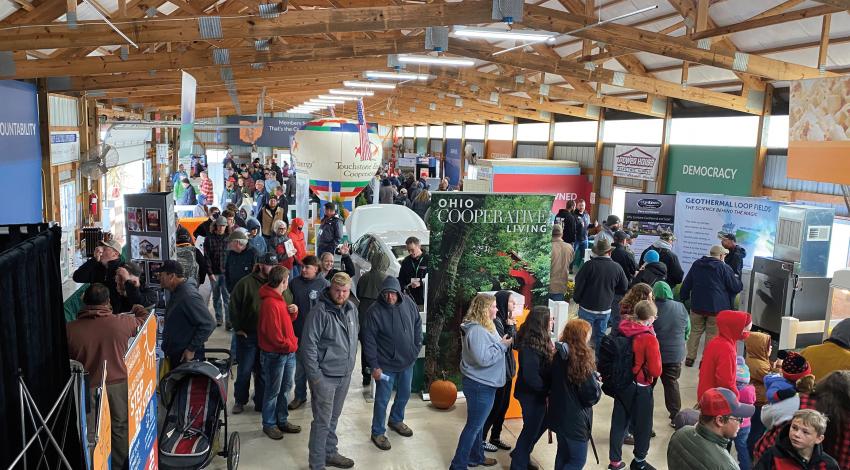
As the Farm Science Review celebrates its 60th anniversary this year, the state’s premier agricultural education and industry event will both highlight its own history and keep its focus on educating for the future.
Eventually, the electric cooperative tent got so popular that the co-ops decided to pool their money and erect a permanent structure on the grounds in 2008.

These days, as we watch more than 100,000 fans pack Ohio Stadium for Buckeyes football, weekend after weekend each fall, it’s impossible to imagine Ohio State University without it.
“We think, in 2022, that this stadium was inevitable — that it was inevitable it was going to be a double-decker and that it was going to be built for more than 60,000 people [its original capacity]. And of course, we inevitably enclose it because we knew we would fill it up so much, right?” Chute says. “Those assumptions are just not true.”

Buckeye Power has been the generation and transmission supplier to Ohio’s electric cooperatives since 1968, producing electricity from power plants and delivering it across the high-voltage transmission network (or “grid”) to each of those 24 electric cooperatives. Throughout this long history, American Electric Power (AEP) has been a partner to Buckeye Power in the generation of electricity — first only at Cardinal Power Plant, but adding more facilities as time went on.
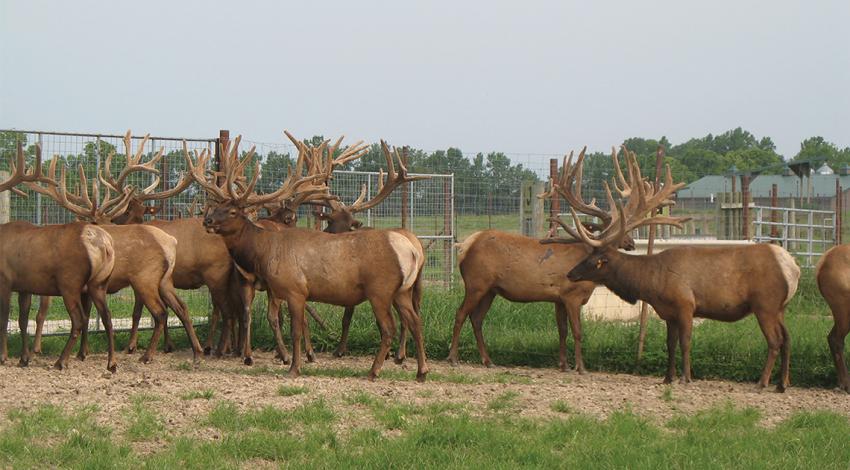
Around 200 elk are home on the range at Dave Flory’s Quiet Harmony Ranch in the rolling Preble County hills.
After viewing an informational movie, visitors can drive through the elk park to view the statuesque animals lounging in pastures and paddocks or opt for the 50-minute Outback Encounter, which affords a closer look and commentary. The inquisitive elk often approach fences for a peek at visitors or simply watch from their open shelters.
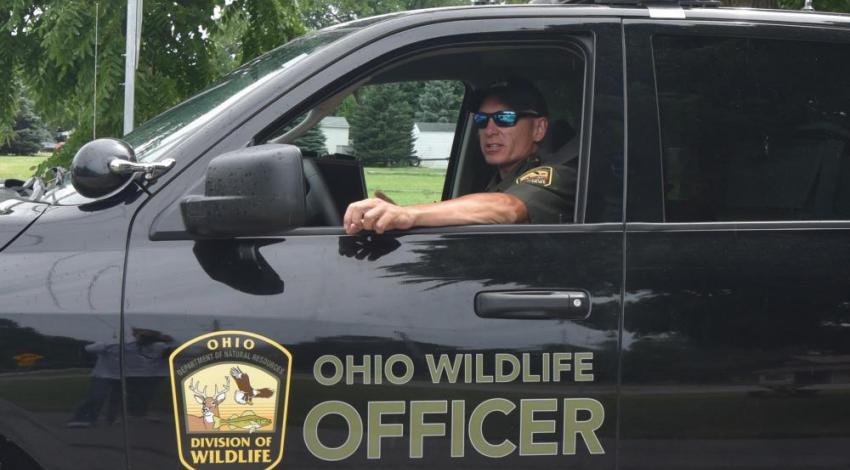
Mostly in life, possums, skunks, groundhogs, and racoons don’t get much respect. That’s especially so for the ones who spend their last earthly moments on Ohio roadways, just before they get hit.
Katie Dennison is a research biologist for the Ohio Department of Natural Resources’ Division of Wildlife. At the Olentangy Research Station in Columbus, she oversees the annual Furbearer Roadkill Survey. And yes, that’s the official name.
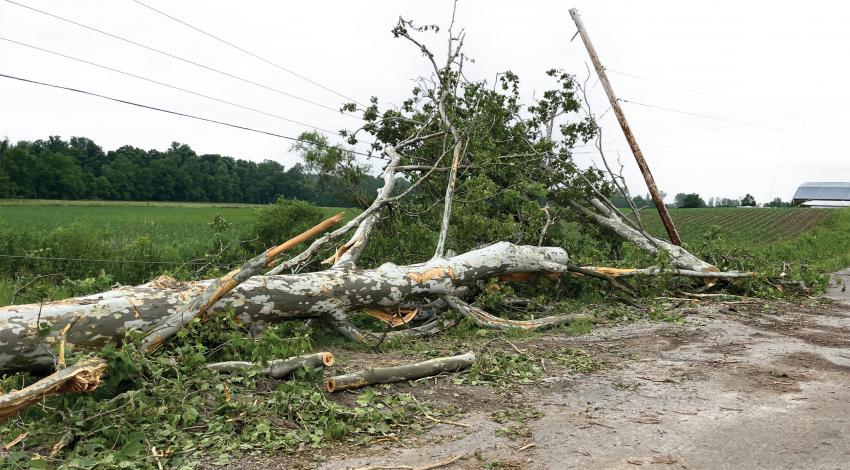
As Father’s Day approached this past June, so did a weather pattern that brought with it a series of storms across Ohio. The storms appeared initially to be strong, to be sure, but not out of line with the usual tempests that sweep through the Midwest every summer.
As the co-ops organized resources to restore the systems to turn power back on to their members, the next several days brought alternating extreme heat and additional powerful storm systems that made the work of restoring service both more dangerous and more plentiful. Problems on AEP’s high-voltage transmission network resulted in more than 100,000 central Ohio homes and businesses having their power intentionally shut off for long stretches of time.
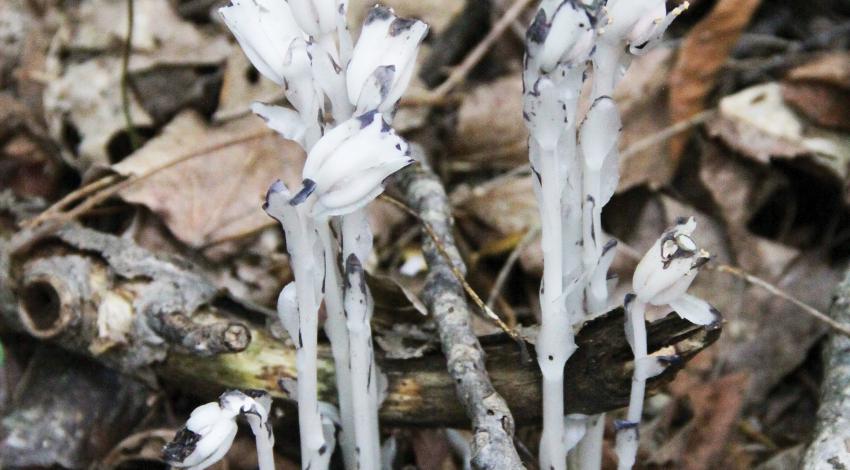
I enjoy reading — always have. One of my favorite books is Wilson Rawls’ 1961 classic, Where the Red Fern Grows. The author reveals the origin of the title of his fiction novel through his young protagonist, Billy Colman, who lived in the Oklahoma Ozarks:
The plant grows in such deep, dark forests and is so short-lived that I’ve only seen a handful during a lifetime of wandering the woods. One was growing along the Appalachian Trail in Virginia, spotted during a day hike with my wife. Several other plants I’ve stumbled across here in Ohio (not literally, thankfully), but not often. Each serendipitous find is truly a special event to be celebrated and, of course, photographed.
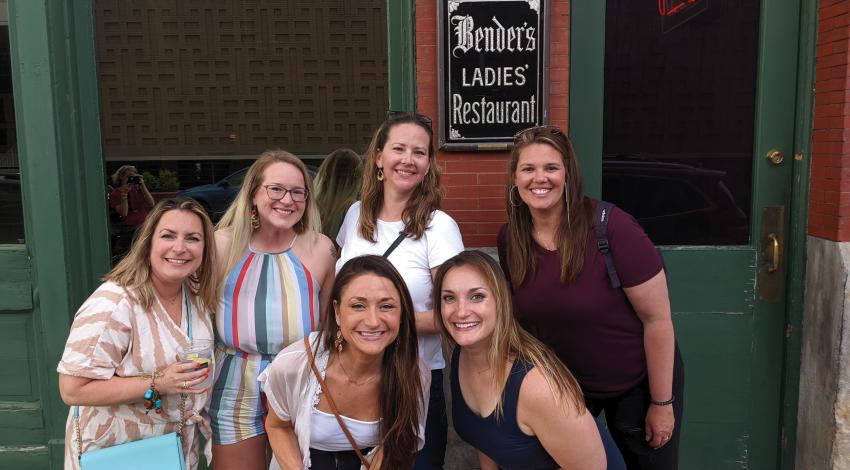
Like many moms whose children play sports in school, Kim Fulks of North Canton has formed close friendships with other moms just like her.
They embarked on a night out with Canton Food Tours, a service that local entrepreneur Barbara Abbott established a decade ago as a fun way to explore the city through its assorted eateries.
And as she lightly dips a spoon into a bowl of turtle soup at Bender’s Tavern, Fulks says she relished the opportunity to kick back without a game result, homeschooling chores, or the uncertainty of the pandemic to worry about.