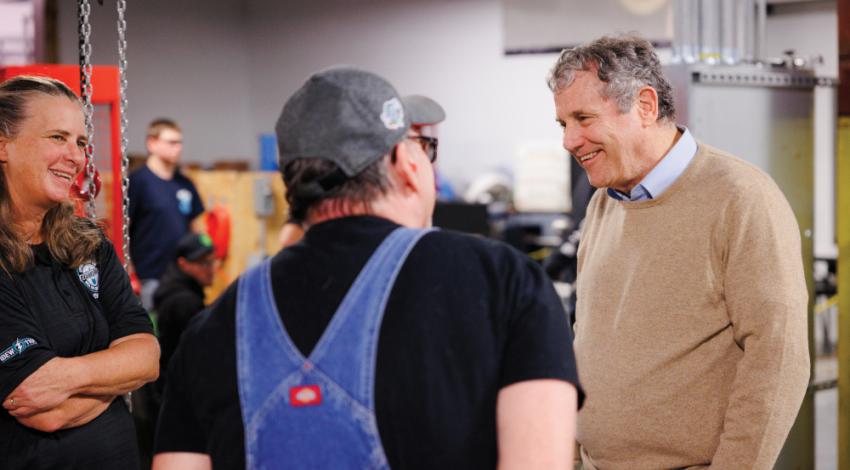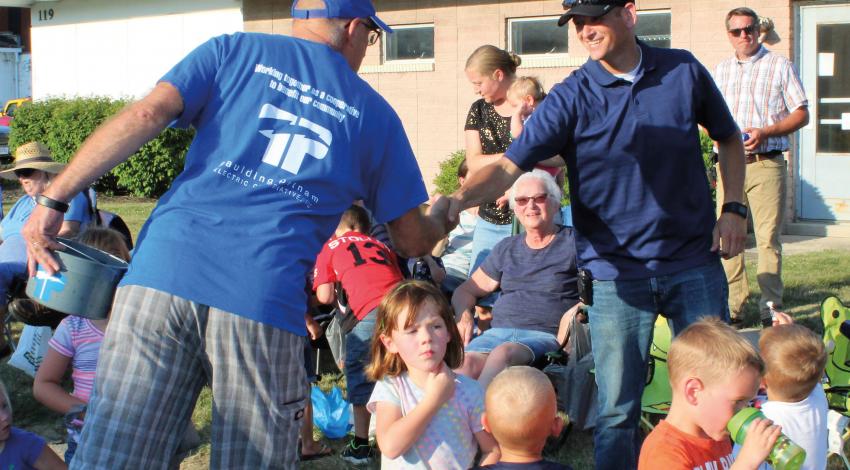
George Carter spent 17 years working in the electric cooperative industry before he became president and CEO of Paulding Putnam Electric Cooperative in Paulding in 2005.
The 24 electric cooperatives that power rural Ohio are focused on improving quality of life for co-op members and ensuring the long-term prosperity of the communities they serve. That focus, employees say, is what makes cooperatives different from other workplaces. When a team is focused on a common goal, especially one that makes a positive impact on communities they love, it often results in fulfilled employees.
It’s not unheard of, in fact, for someone to spend their entire career with the same co-op.
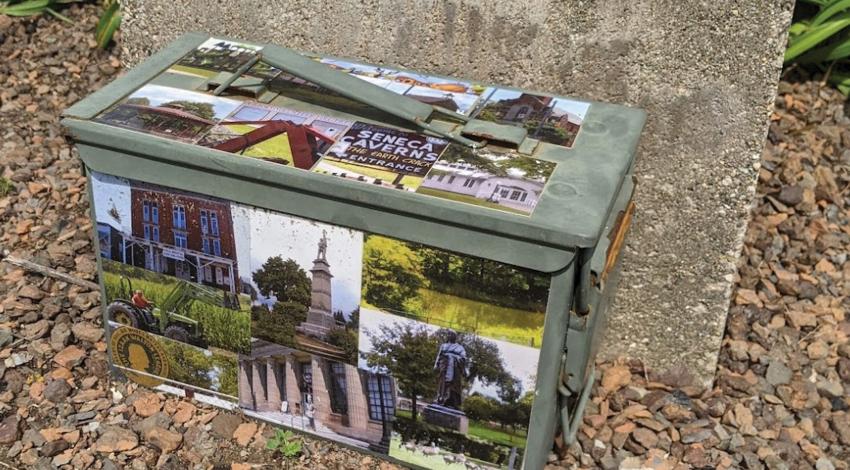
Geocaching — a smartphone version of hide-and-seek — turns GPS technology into a family-friendly game for getting outside.
When it was created 22 years ago, it was described as a “high-tech treasure hunt,” and though geocaching has evolved over the years, the basic premise remains the same. GPS coordinates are used to track down caches, or “treasure” hidden in containers. From the first cache hidden near Portland, Oregon, the number of caches has grown in two decades to well over 2 million worldwide, according to www.geocaching.com, the hobby’s worldwide coordinator. There’s sure to be a few near you right now.

Cooperation among cooperatives is a principle ingrained in the cooperative business model and lived out by cooperative employees when we face challenges. This summer, we have already seen powerful storms tearing through much of Ohio — uprooting trees, breaking utility poles, disrupting electric service, blocking roads, and generally making a mess of things.

Getting Brad Hoehne to stand still for a photo isn’t easy.
Served by South Central Power Company, the park sits on an open patch of land within Hocking Hills State Park. It’s named for the Ohio-born-and-bred astronaut who was the first American to orbit the Earth. JGAP opened in 2018, but Hoehne had been thinking for years about creating a venue where the public could connect with the cosmos. “I got the idea in 2003,” he says.
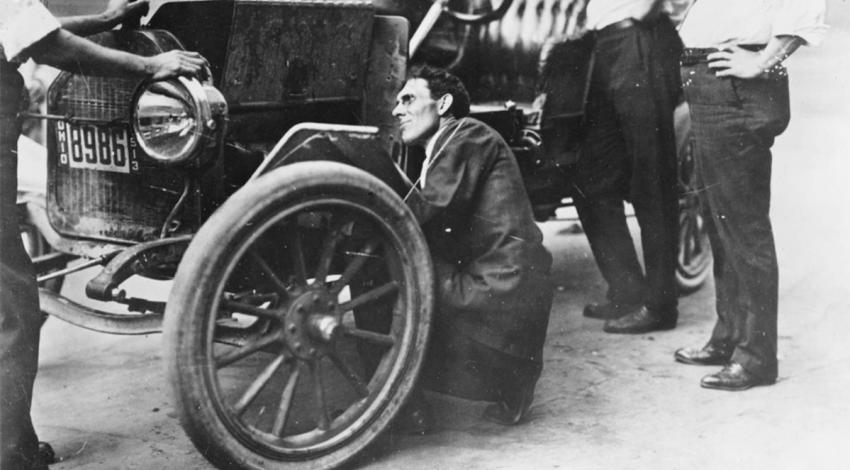
When automobiles were first being developed more than a century ago, they were as dangerous to start as they were to drive. You didn’t just turn a key in the ignition or press a button on the dashboard as we do today.
Born in Loudonville, Ohio, in 1876, Charles Kettering was the fourth of five children in his family. Poor eyesight caused him headaches in grade school, but he persevered to attend the College of Wooster before transferring to Ohio State University in Columbus. However, continuing eye problems eventually forced him to withdraw, and he took a job at the Star Telephone Company in Loudonville as foreman of a line crew.

The Fourth of July provides us an opportunity to celebrate our independence as the United States of America. Our national holiday also provides an opportunity to reflect on the courage and strength of will demonstrated by the colonial leaders who drafted and signed our famous Declaration of Independence.
While the first few lines are more famous, the closing sentence provides a clear view of their understanding of what it takes to be truly independent.
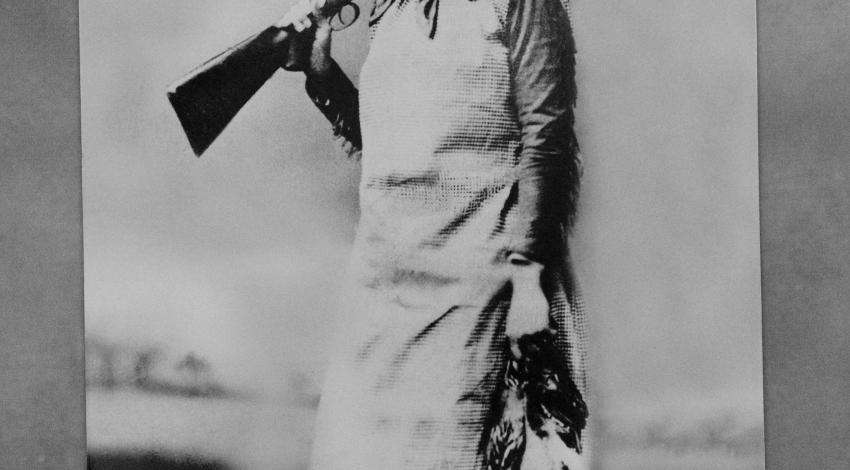
The greatest exhibition shooter of all time — male or female — was a young woman from Darke County, Ohio: Annie Oakley (1860–1926).
“The museum has the largest display of Annie Oakley photographs, firearms, and memorabilia anywhere in the world,” says Katie Gabbard, marketing director at the Garst. “An entire wing is dedicated to her, chronicling Annie’s many shooting accomplishments as well as her lesser-known philanthropic endeavors.”
In fact, very few of Annie’s medals and awards survive today, as she had most of them melted down near the end of her life so she could raise money for charity.

Nothing says summertime more than festivals, and Ohioans are more than ready this year to pack up the wagon and picnic blankets and hit the town for a day of food, fun, and music — all in the name of community spirit and a good time.
Kalida Pioneer Days
Kalida Pioneer Days (Sept. 8–11) holds the distinction of being the oldest Ohio festival, dating back 150 years to the first meeting of the Putnam County Pioneer Association, now known as the Putnam County Historical Society. The event, now co-sponsored by the Kalida Lions Club and the Kalida Firemen’s Association, has become a homecoming of sorts, drawing folks by the thousands.
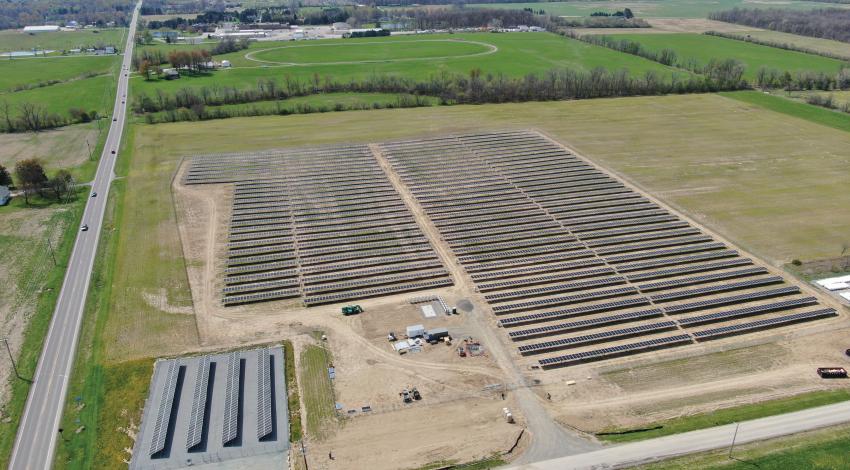
The hours of bright sunshine that come with scorching Ohio summers often spur people to consider harnessing energy from the sky’s brightest star with rooftop solar panels.
Bright side
Demarco Deshaies of Rockridge in Hocking County decided to investigate solar as a backup after losing electric service for several days following a devastating February 2022 winter storm.