reliability

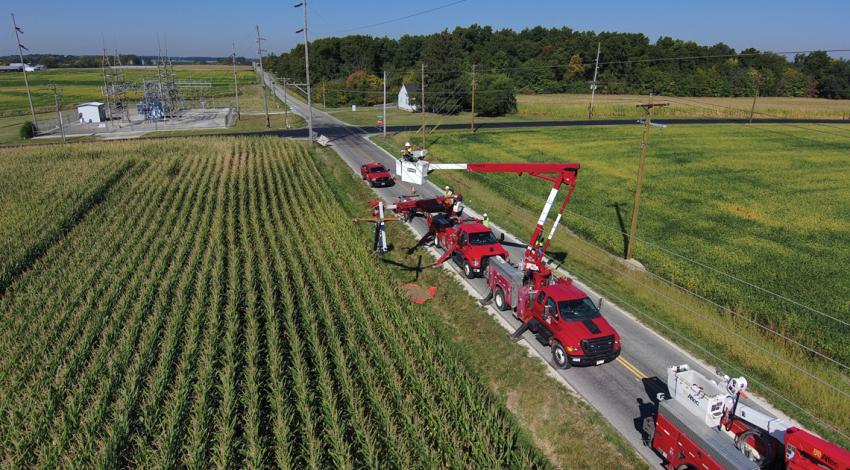
Drone picture of line worker crews

When storms strike or accidents happen, the lights can go out in an instant. For decades, that meant waiting — sometimes for hours — while crews located the problem and restored power. But what if power could be restored with the touch of a button?  Thanks to cutting-edge Distribution Automation technology, that’s no longer a dream — it's happening now on our system.

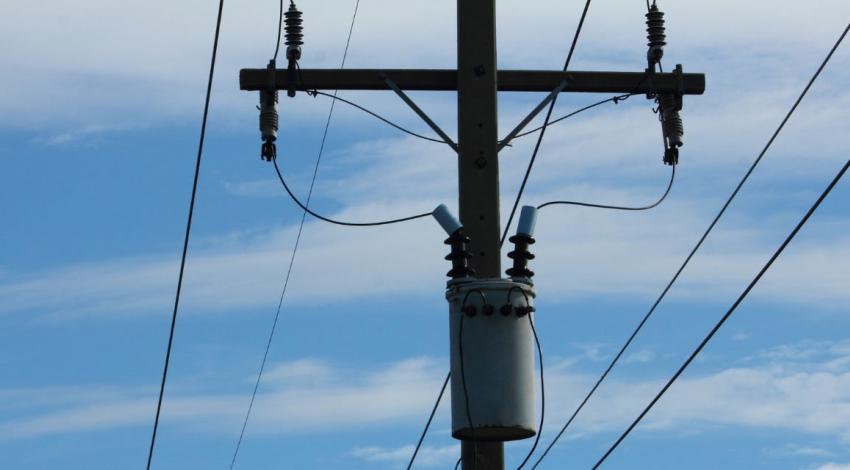
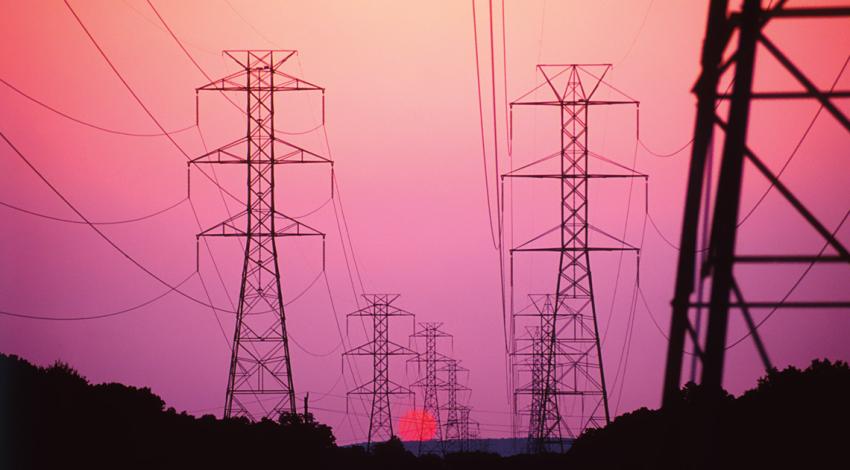
power lines and transformer

As your local power provider, Butler Rural Electric Cooperative has always had a simple mission: keep the lights on and support the communities we serve. But behind every switch, every warm home, and every business that opens its doors is a complex system that requires constant care. Reliable electricity requires ongoing investment in our local grid through system repairs, maintenance, upgrades, and the integration of new technologies that help us operate smarter and more efficiently.

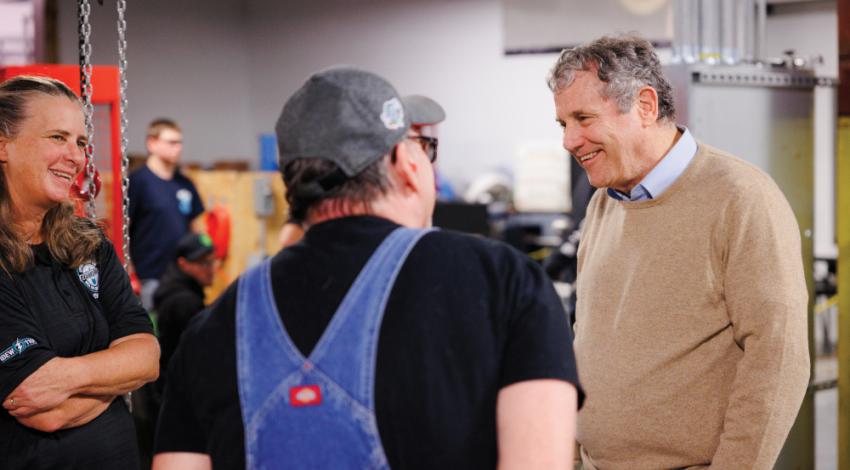
People who work for electric cooperatives typically live in the communities they serve, so you can be certain that decisions are made with the best interests of members in mind.

The integrated electric network that brings power to your home or business is a technical marvel. That network manages the flow of electrons, traveling at the speed of light, from the massive generation stations that produce them to towns and cities, to homes and businesses across the country. 

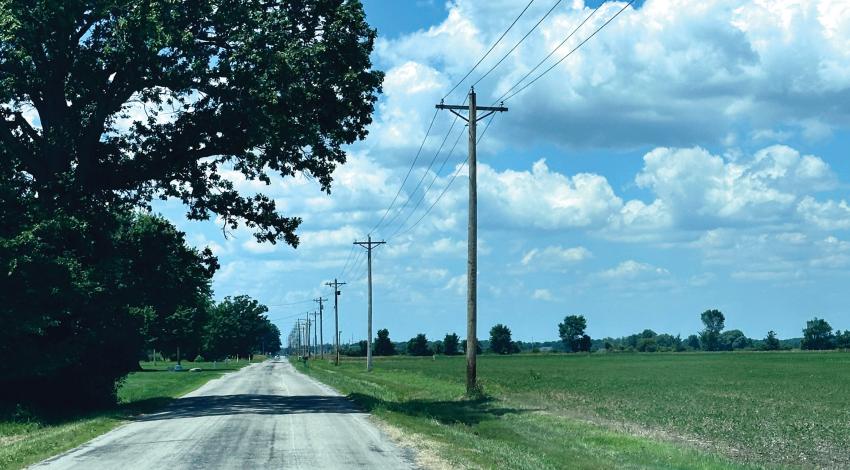
Much of what makes this system work goes unnoticed. Of course, everyone sees the poles, wires, and transformers that connect every neighborhood up and down nearly every roadway, or the few large generating stations that produce the power we distribute. 

Ohio’s electric cooperatives maintain healthy reserves of generating capacity, but we are only a small part of the larger regional grid.

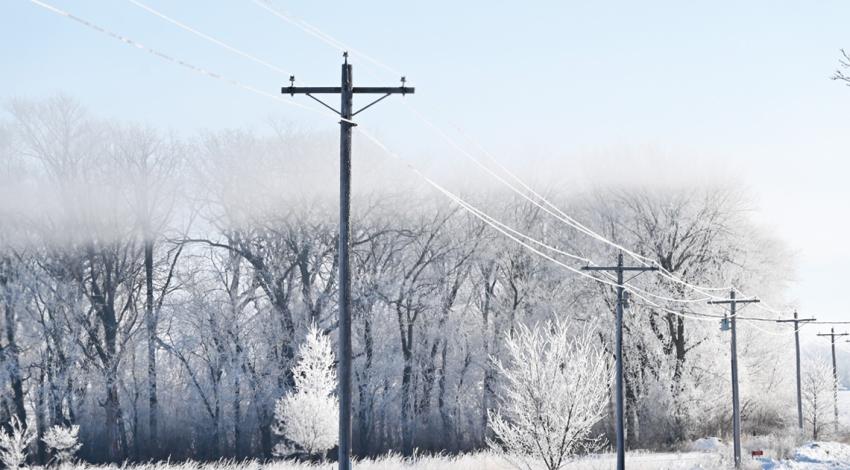
Winter poses a particular set of challenges to your electric cooperative’s commitment to provide members with an uninterrupted supply of power every hour of every day of the year. Winter storms in particular can wreak havoc on electric lines, and often result in longer outage times because icy roads and fallen trees and limbs make it even more difficult to mobilize people and equipment to the areas that are hardest hit. Access to downed lines is slow and tedious, and working conditions that lineworkers face when they arrive to make repairs are often difficult and even dangerous.

Our electric power system has been built up over decades ... it works on the principles of science and engineering, not wishes and dreams.

Your electric cooperative’s mission to provide members’ homes and businesses with reliable, affordable, environmentally responsible electricity has faced its share of obstacles through the decades. In the past several months, I have warned of threats to our electric system’s reliability from overly ambitious environmental regulations. 

As summer approaches this year, we can no longer take 24/7 availability of electricity for granted.

After working in the electric utility business for nearly 40 years, I still marvel at the working of our interconnected electric power network that we commonly refer to as “the grid.” It has taken equal parts of engineering, ingenuity, and hard work to design, build, and sustain a network that makes electricity available every hour of every day, no matter how hot or how cold the weather outside may be.