Natural gas combined-cycle plants are solid and reliable, can often be built in five to seven years and run 30-plus years, and they’re typically paid off over that same period.
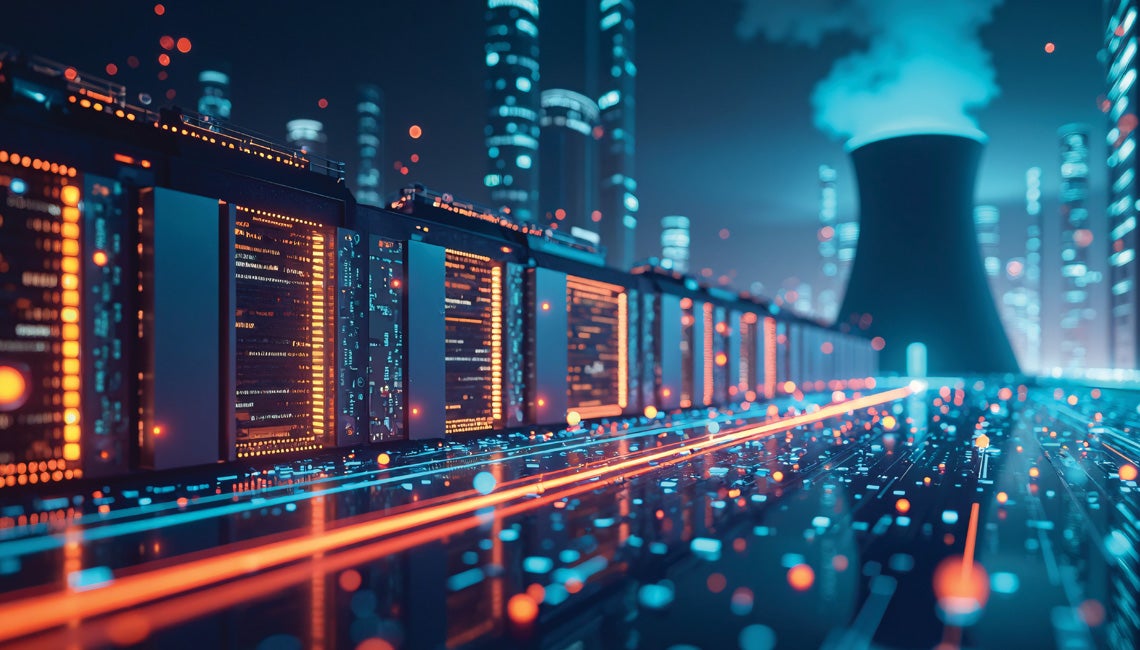
As the electric industry settles into the new reality that comes with serving the power needs of large data centers, generators, including Buckeye Power, must balance reliability and cost when considering new generating resources.
It seems obvious that new generation resources will be needed, and not just any resources, but baseload power — those that run 24/7, regardless of weather or time of day. Coal plants, such as the co-op-owned Cardinal Plant in Brilliant, and natural gas combined-cycle plants are other examples of baseload generation, and of course are crucial contributors of steady, reliable power to the grid.
The completion of two nuclear units in Georgia in 2024 has helped renew interest in a nuclear option. Nuclear generators not only provide reliable baseload power, they do so with no emissions during operation. Nuclear units can last 50-plus years, with costs that have proven to be both low and stable. Nuclear power comes with risks, though: Upfront cost can be more than five times the cost of a new natural gas power plant and construction can take 10 to 15 years. Those plants have also faced public push-back, often driven by limited familiarity with how plants are regulated and how their safety systems work. If nuclear is going to play a bigger role in the future, it will take steady and clear communication to help the public better understand the technology and have confidence in its safety.
Over the last 10 or 15 years, natural gas combined-cycle plants have been the most common new baseload resources built in the U.S., and it’s relatively easy to understand why. I think of it like buying a new car: The best purchase is one that’s solid and reliable (though maybe not very flashy) that you can get for a reasonable amount of money and finance it over a reasonable amount of time. Natural gas combined-cycle plants can often be built in 5 to 7 years and run 30-plus years, and they’re typically paid off over that same period, helping keep annual costs (and therefore customer bills) more affordable.
So, while companies are working to reduce the challenges created by nuclear plants — including research on small modular reactors, natural gas combined-cycle plants are likely to remain the preferred option for new baseload generation in the near term. And meanwhile, as demand continues to increase, existing coal plants will have to keep playing an important role in keeping electricity both affordable and reliable.