The U.S.
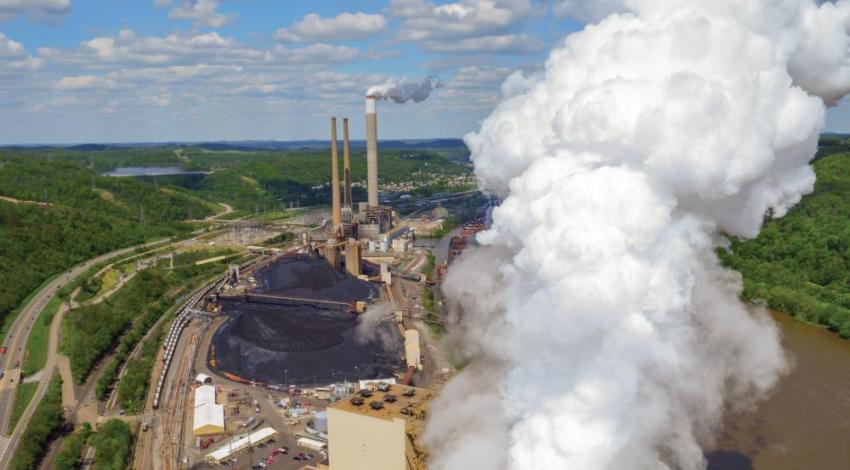
“Buckeye Power has invested more than $1 billion in environmental controls over the past 20 years,” says Pat O’Loughlin, Buckeye’s president and CEO. “To put it in perspective, that’s over half of everything we’ve invested in the entire history of our company, and those investments have produced dramatic results in cleaner air, cleaner water, and significantly reduced solid waste such as ash.”

The month of August is like an early Thursday morning of a given week: Just as Thursday means the week’s coming to a close, August marks the waning of summer.
That’s why they are also known as harvestmen — for their gregarious nature at harvest time. They live throughout Ohio, on the farm, in the forest, in the suburbs, in your gardens, and in every corner of every city. And they are good to have around.
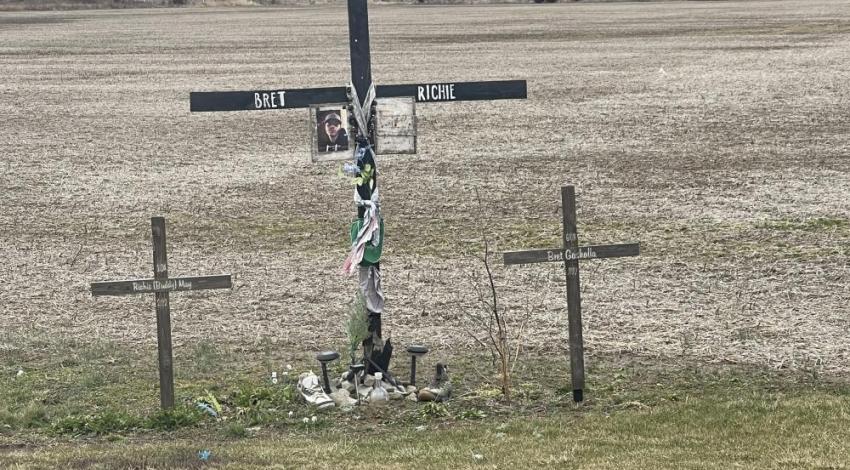
In February 2022, a crash on Ohio 19 in Ottawa County took the life of Shannon Roberts’ 17-year-old son, Richie, and his friend, who was driving. “He was a great kid and didn’t deserve what happened,” she says. “It was a complete accident and nobody’s to blame.”
Drivers in Ohio pass them by, often without a second thought — a small cross or a bouquet of flowers, a candle or a stuffed animal, any of a number of seemingly insignificant trinkets. But to the folks who have erected these roadside memorials, they mean the world.
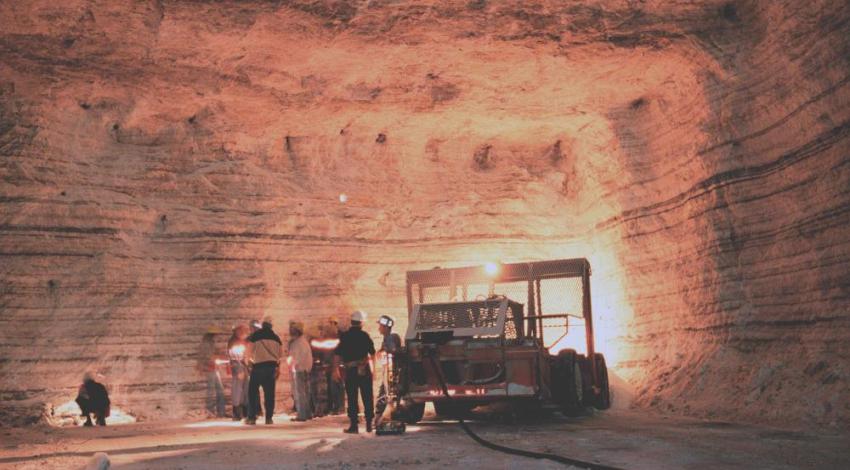
A multitude of boaters, anglers, swimmers, vacationers, sun-chasers, and thrill-seekers flocks to Lake Erie each summer. Most of them will have no idea of the activity taking place far beneath those waters.
The entrance to one of the mines, operated by Cargill, Inc., is just offshore from downtown Cleveland on Whiskey Island (so named when a distillery was built on the site in the 1830s). The second mine, operated by Morton Salt, is 30 miles farther east along the lakeshore at Fairport Harbor. The property and mineral rights under the lake are owned by the State of Ohio, but the mineral rights are leased to the two operators.
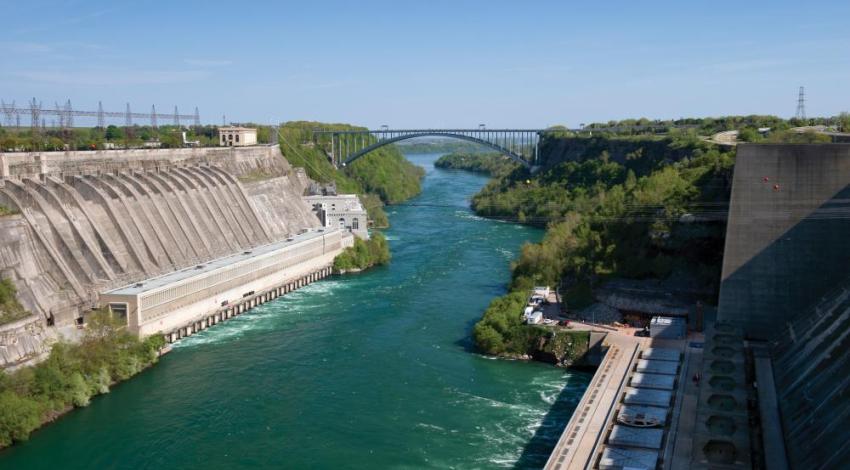
There’s an important debate going on currently about the best way to generate electricity to power America’s homes and businesses, framed something like this: Low- or zero-carbon-emission sources that are both generally expensive and only intermittently available on the one
“While coal and natural gas provide the bulk of our electricity supply in a reliable and cost-competitive manner, we continue to seek opportunities to develop renewable energy projects that make sense for our members,” says Pat O’Loughlin, president and CEO of Ohio’s Electric Cooperatives, the trade association that provides services to the 24 electric distribution cooperatives in the state. “Our hydropower, bio-gas, and solar resources are an important part of the mix. We’re always looking to grow and expand our supply resources in economical, practical, and beneficial ways.”

The popularity of pickleball in Ohio, like seemingly everywhere else, is increasing rapidly, with more and more courts popping up all the time.
Volkens discovered pickleball when he began to spend winters in Arizona. He fell in love with the sport and played daily. But when he returned to Middletown he was dismayed to find nary a court — not a single one.
After driving around Middletown and finding 17 empty tennis courts, Volkens saw his opportunity; he gathered some friends and made a case to Middletown’s Parks Department, which agreed to dedicate space to the activity, and Volkens started recruiting Middletown residents old and young as soon as courts became available. That was nearly 20 years ago.
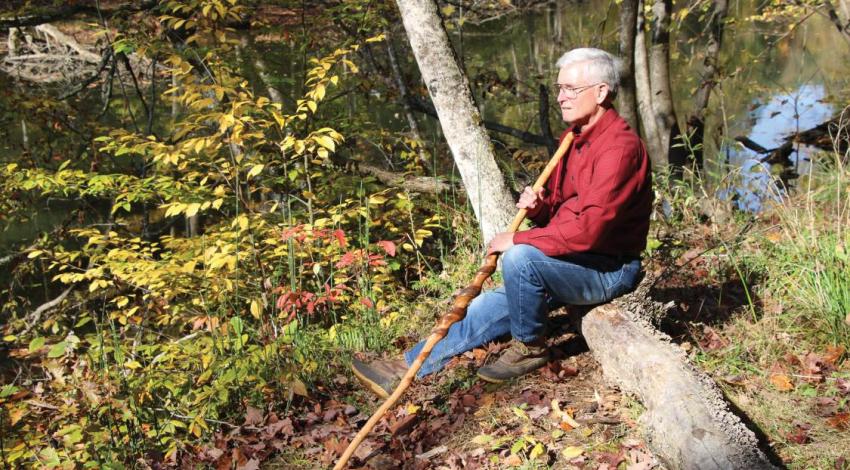
Are your favorite hiking trails somehow growing inexplicably longer and steeper? If so, congratulations! You’re a “seasoned citizen.” For most outdoor folks, that hard-won status usually kicks in sometime around age 50.
After a lengthy search spanning several months, I eventually found just the right tree — growing, of all places, on my own property 100 yards behind the house. About a dozen feet high, it was a thin sugar maple that had grown straight up for about 3 feet, spiraled for 2 feet, then grew straight again. Perfect!

When a rig filled with 20 tons of sand arrives and dumps it on a beach, Carl Jara digs right in. Armed with shovels, buckets, imagination, and technical ingenuity, Jara turns massive amounts of sand into art.
Jara is a professional sand sculptor, and he’s been at this experiential public art form for 33 years. It’s a career that has taken him to 38 states and 13 countries, as far away as Australia. He’s won 14 world championships and earned medals at countless other contests along the way.
Until recently, the demand for electricity in the United States has been mostly steady, growing a little less than 4% over the past 20 years. Constant improvement in the efficiency of home appliances, air conditioning and heating systems, light bulbs, even electronic chargers, combined with an “offshoring” of many industrial facilities, largely offset the increase in demand that came from an influx of new homes and electric-powered innovations.
Today, however, things look dramatically different.