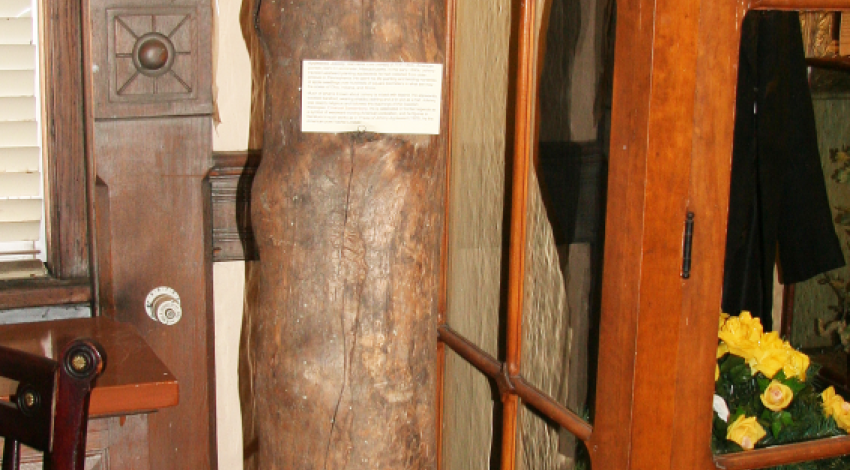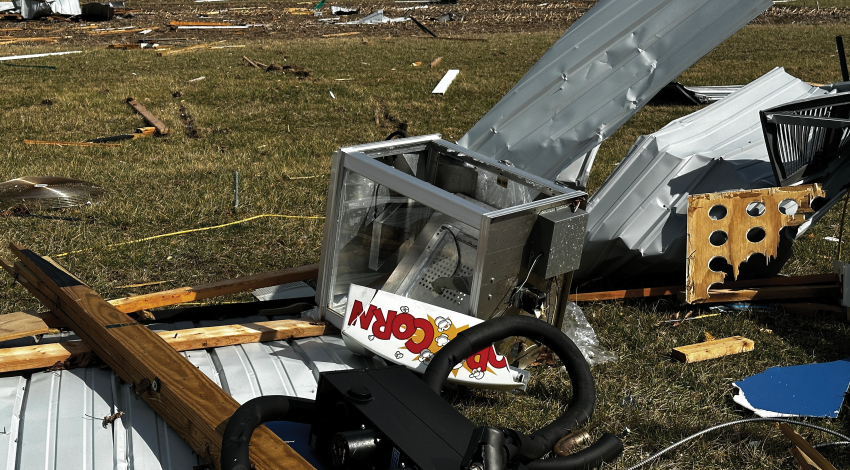
In the early morning hours of February 28, an EF2 tornado ripped through London, Ohio. Winds as high as 130 mph tore off roofs, snapped trees, and battered barns and outbuildings. Fortunately, no injuries were reported.
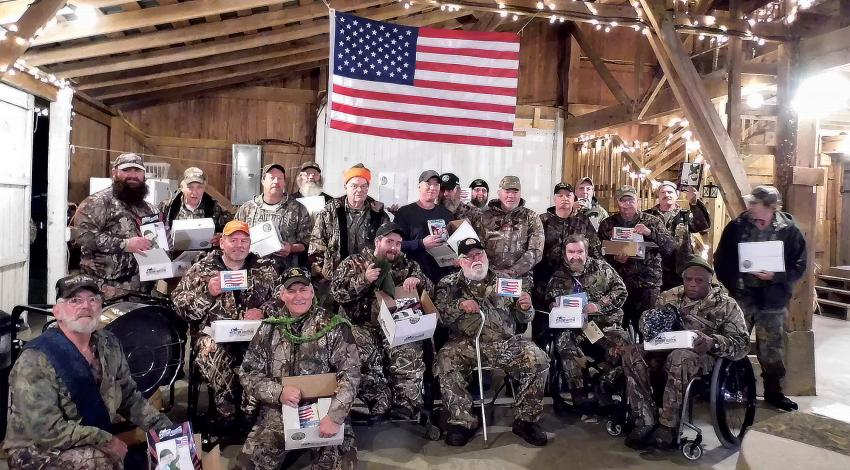
While Willie won’t be resurrected, the Ohio’s Electric Cooperatives Education Center — free popcorn and all — will be back, joining hundreds of farm-focused exhibitors September 17 to 19 for the 2024 Farm Science Review.
“It may look a bit different, but we’ll be there,” says Missy Kidwell, manager of cooperative development for Ohio’s Electric Cooperatives, noting that a new building, still under construction as of early August, was expected to be finished and ready to go in time.
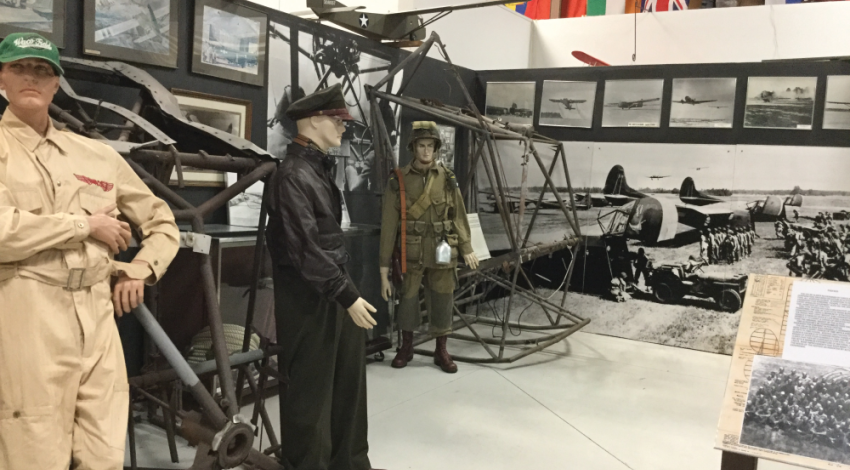
Vintage aircraft are a common sight in the sky above and along County Road 25A at the south edge of Troy in Miami County — especially during late September, when the WACO Air Museum and Learning Center hosts its annual fly-in.
“The fly-in gives us a chance to show off our facility,” Royer says. “It is here that people can walk through the history of Troy and Miami County, which were at the forefront of the aviation history.”
WACO (Weaver Aircraft Company) in Troy was the largest manufacturer of biplanes in the country during the late 1920s and early 1930s. Buck Weaver, a civilian who instructed military pilots in Texas during World War I, and friends Clayton Brukner, Sam Junkin, and Charlie Meyers founded the company in 1920.

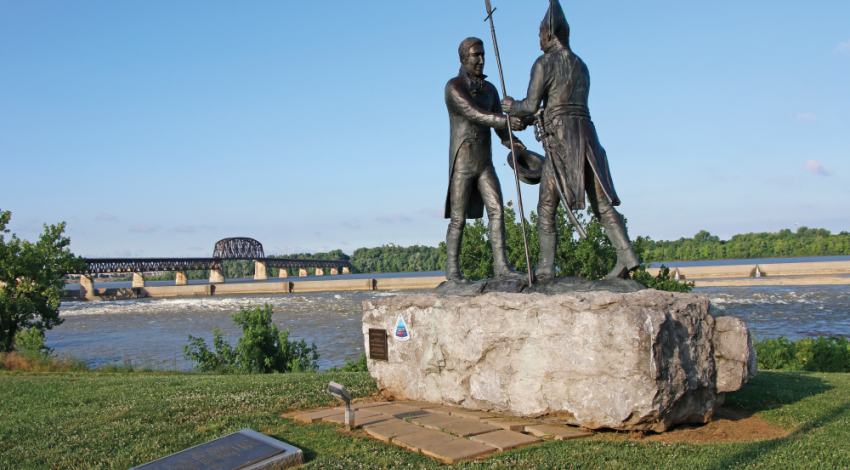
The Shawnees called it Spaylaywitheepi. When French traders and trappers arrived during the 18th century, they described it as the Iroquois had: La Belle Rivière — the beautiful river.
Seeing the Ohio today, it’s difficult to believe that, in its original state, the river was a naturally shallow stream, varying in depth from only about 3 to 20 feet. And during annual periods of low water, such as late summer and early fall, a person could literally walk across the Ohio River on the stream’s bottom at many spots. You’d certainly get wet, possibly up to your waist or so, but the feat could be accomplished.

Technically, the Vinton County Air Show has been around longer than the Vinton County Airport has been open. The first was in 1969, the year after the runway was built near McArthur as part of Gov.
The group of locals with a passion for aviation has managed and maintained the airport and its 3,750-long runway since 1992. The air show — now one of the longest-running non-military, free air shows in Ohio — is its largest source of funding (the air show itself is free; boosters raise money by asking for parking donations and serving one of the best chicken dinners around).
The third Sunday each September, the Vinton County Air Show draws spectators by the thousands in search of family fun, highlighted by daredevil stunts, high-flying aerobatics, and a skydiving Santa Claus.

Cooperation Among Cooperatives, one of the foundational principles that guide cooperatives everywhere, is especially important to electric cooperatives. It’s easy to see why: When we step back and look at the amazing accomplishments that have been achieved by relatively small, locally owned electric co-ops, we realize that they have always been better when they work together than when they try to go it alone. By focusing on our common interests, as opposed to our differing ideas, we have been able to succeed and even to thrive through changing times.
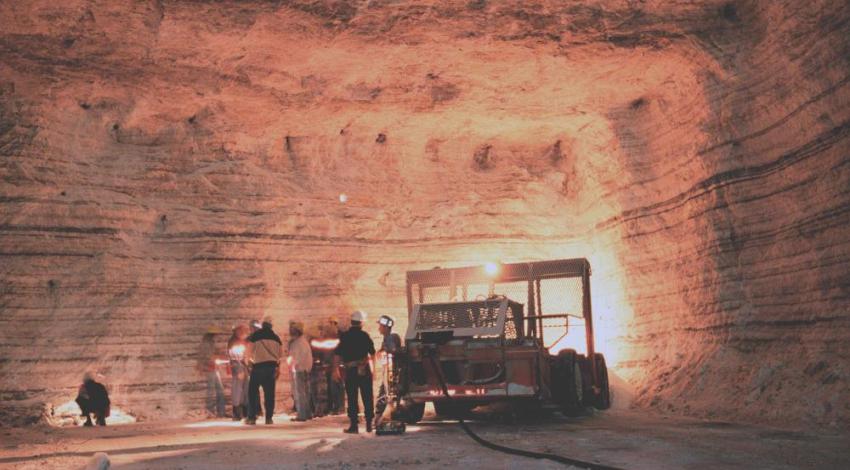
A multitude of boaters, anglers, swimmers, vacationers, sun-chasers, and thrill-seekers flocks to Lake Erie each summer. Most of them will have no idea of the activity taking place far beneath those waters.
The entrance to one of the mines, operated by Cargill, Inc., is just offshore from downtown Cleveland on Whiskey Island (so named when a distillery was built on the site in the 1830s). The second mine, operated by Morton Salt, is 30 miles farther east along the lakeshore at Fairport Harbor. The property and mineral rights under the lake are owned by the State of Ohio, but the mineral rights are leased to the two operators.

Ohio might not be the first place that comes to mind for scuba diving, but with Lake Erie and numerous former quarries turned dive sites, the state has developed a solid reputation among enthusiasts. For Rich Synowiec, it’s become his life’s work.
“I was going through college and never finding exactly what I really wanted to do,” Synowiec says. “I was an early entrepreneurial spirit and I wanted to do something that I would love to do — not necessarily something I would make a million dollars doing, but I never wanted to hate my job.”


Every year for decades, the planet has used more energy than the year before, spurred largely by the improving standard of living in developing areas. At the same time, the world has tried to move away from fossil fuel dependence and toward renewable sources in the worthwhile hopes of reducing environmental impact and gaining more independence from supply sources that are unreliable or unfriendly (or both). New energy supply technologies, therefore, always attract plenty of attention.