June 2020

Green Circle Growers

Just to the west of Cleveland and a little south of Lake Erie, Lorain-Medina Rural Electric Cooperative (LMRE) serves more than 16,700 consumer-members on 1,541 miles of electrical line across five counties.

Who they serve

In addition to residential service, LMRE provides service to some unique companies. They serve Green Circle Growers, one of the largest greenhouses in North America. Green Circle Growers is a family-owned company in Oberlin with over 100 acres of indoor space for growing seasonal crops, tropicals, foliage, succulents, and more. LMRE also serves Goldrush Jerky, a company that originated with its owners selling snacks out of the back of a car. Goldrush Jerky now sells beef jerky and beef smokies in all 50 states.

Farm safety demonstration

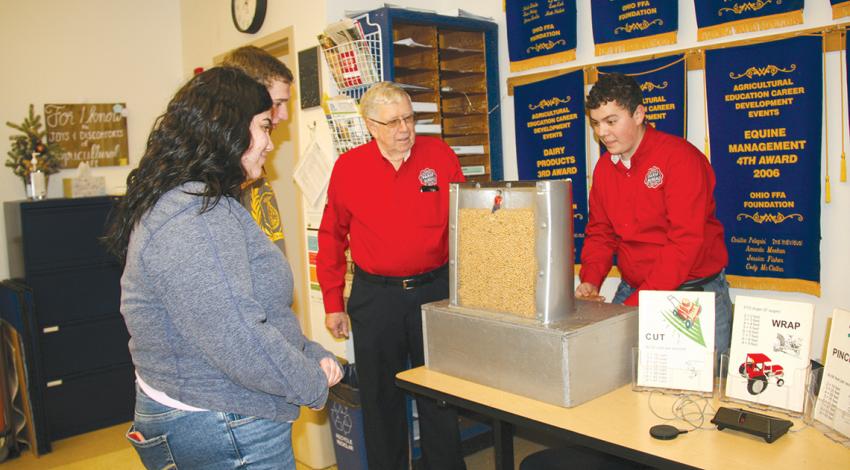
While watching RFD-TV one night, Russ Beckner saw a segment that showed a California mom driving a tractor around with her two young kids in the tractor bucket.

When he retired from P&G, that safety mindset carried over as he started helping his son, Jason, on Jason’s farm. People tend to associate farms with peaceful fields, fresh air, and contented cows, but as all farmers know, agriculture can be a dangerous way to make a living — and a farm is a dangerous place to live.

Between eight and 12 people, on average, are killed on farms every year in Ohio. Thousands more sustain injuries. “I became aware of farm injuries locally, statewide, and nationally, and I thought we could make a difference,” Russ says.
Chip Gross awards plaque

If you enjoy fishing in the Buckeye State, that next tug on your line just might be a new record fish.

Her father, Galen, explains. “We had gone fishing a few days previously, and SueAnn caught a very large green sunfish that we released,” he says. “That got me thinking as to what the state record might be for that species, so I looked it up and told her that we had likely released a state-record fish.”
The Newswangers were fishing again a few days later in the same area of the same pond when Galen heard his daughter squeal with delight, “Daddy, I caught it again!”  

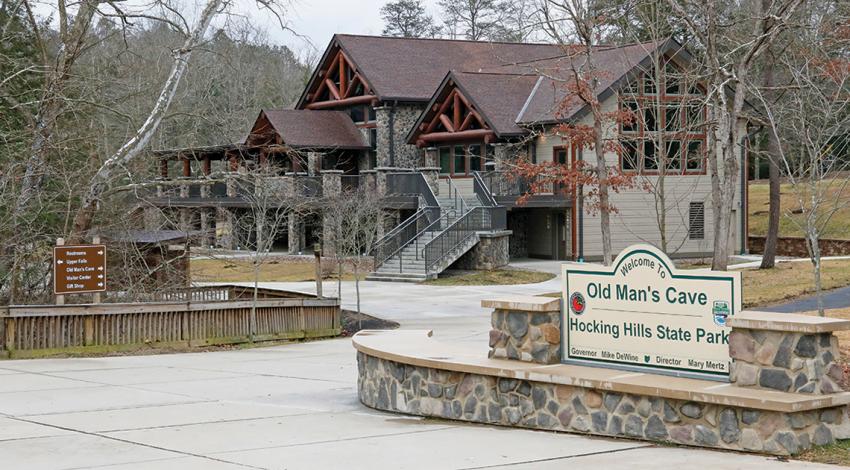
Exterior of visitor center

The rugged, natural beauty of the Hocking Hills region in southeastern Ohio attracts more than 4 million visitors annually, so it’s not surprising that Hocking Hills State Park is the most visited in the Buckeye State.

Located at the entrance to Old Man’s Cave — the most well-known of seven major geological features in the park — the handsome log-and-stone structure includes 8,500 square feet of indoor space and both upper and lower covered outdoor verandas that add another 5,000 square feet to the two-story building.

“The new visitor center features interactive exhibits on both levels of the building that help guests learn about the unique nature and history of the Hocking Hills,” says Pat Quackenbush, naturalist supervisor at the park.

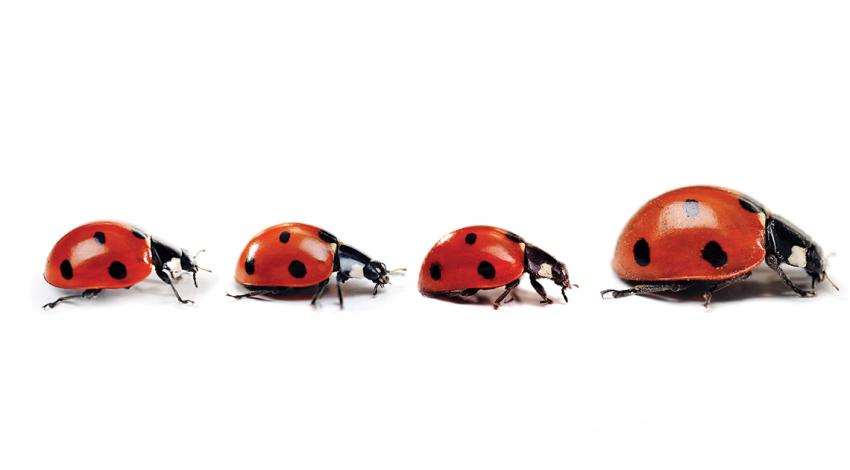
Ladybug life cycle

In 1975, the Ohio General Assembly chose the ladybug as the official state insect, citing attributes shared with the great people of the Buckeye State.

This orange-and-black or red-and-black speck of an insect (which is technically a beetle rather than a bug) is the size of a pencil eraser, and it brings a welcomed utility to orchardists and farmers alike. Ladybugs, as cute and dainty as they may be, are voracious predators of other bugs, including some destructive ones that are too small for the human eye to see.

Alan Canfora waving flag

Every May 4, students, faculty, and others on the campus of Kent State University honor the memory of four students killed and nine others injured when the National Guard opened fire during a protest against the Vietnam War on that day in 1970.

This year marks 50 years since the tragedy, and plans had been in place to commemorate the occasion with dozens of speakers, symposia, and artistic tributes, until the onset of the COVID-19 pandemic canceled the events. Still, the events they had planned are an indication of how much has changed about the way the Kent State community perceives this part of their past.

Woad

If you were to imagine a garden in A.D. 800, you might picture unusual and long-extinct plants, but in fact, gardens of the medieval period (or Middle Ages) were filled with plants that have thrived for centuries and still grow in our gardens today.

Absinthe, or wormwood, is from the Artemesia family and is a lovely accent to a modern garden. Absinthe was called Mary’s tree and was used as a spice herb as well as for medicinal purposes, such as stomach disorders or nausea, and to repel insects from the vegetable garden, but is known mainly for the alcoholic beverage that is made from it. Absinthe can be grown from seeds sown directly in the ground or planted from potted plants in light, well-drained soil in full sun.

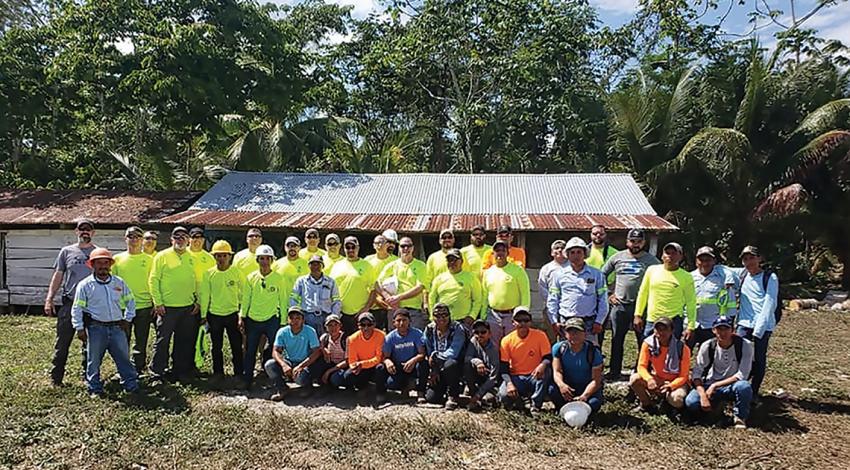
Project Ohio group

Gathering a group of 16 linemen from across Ohio, leaving the security of home and family, and going to a remote part of Central America could never be considered a routine endeavor.

The day after they arrived in Guatemala, the team decided to make an impromptu stop in the village to check out the landscape of the job — to see the 67 homes and the school and get a look at the conditions they’d encounter.