June 2020

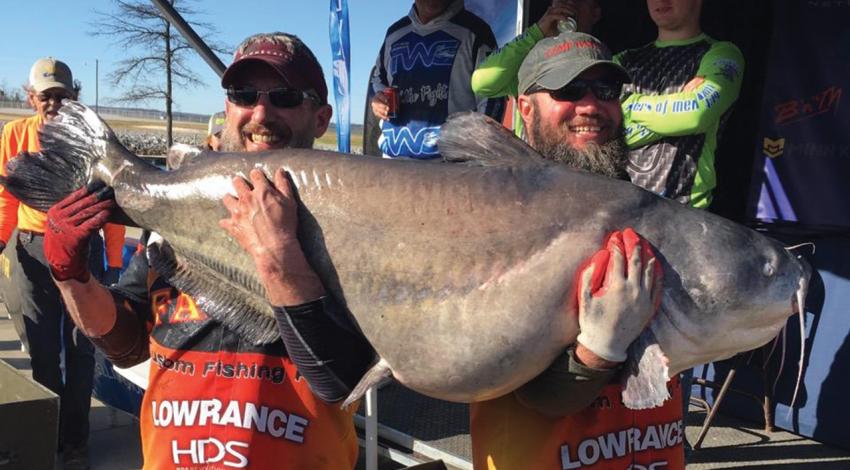
Fishermen with large catfish

Stories of huge catfish — channel cats, flatheads, and blues — lurking in the deep, murky, mysterious pools of the Ohio River have been whispered from angler to angler for hundreds of years. For instance, David Zeisberger, a missionary to the Delaware Indians in what would one day become Ohio, recorded in his 1780 book, History of the Northern American Indians, the following fish story:

A team of people putting hands together

People working together for a common cause is nothing new. For those efforts to be sustainable over time requires operating principles — tenets that guide our actions and decisions. During October, we celebrate National Cooperative Month, recognizing that since the mid-1800s, our cooperative business model has not merely endured but flourished because it has remained committed to our values.
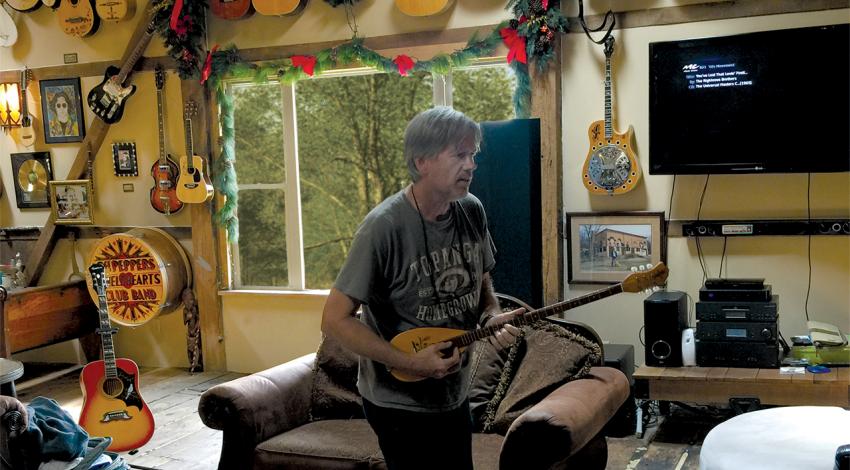

Rusty Baker

Rusty Baker’s earnest love for life and his willingness to take chances have led him along a path few others could tread. 
“Where my two feet are is the greatest place on earth,” says Baker, a Holmes-Wayne Electric Cooperative member — and it’s easy to believe he means what he says. 

Lineworker with Guatemalan children

Ohio electric cooperatives have a long history of bringing light to areas where it’s never before been available. In the 1930s, that meant neighbors helping neighbors bring electricity to the farms and homes in those rural parts of the state that for-profit utilities ignored. That spirit has, in more recent times, lit the way for us to carry the tradition beyond our borders. 

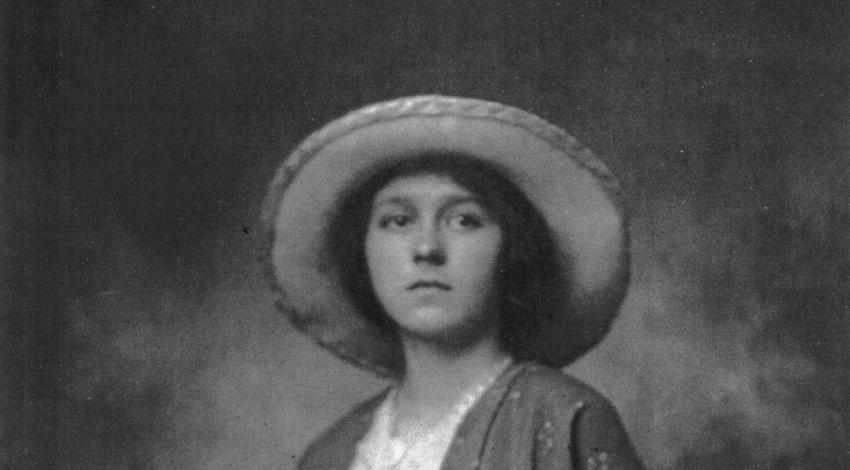
Maude Collins

In November 1927, Edgar Foy and Rose Waldron were delivered to the Ohio State Penitentiary for their part in a violent robbery.

Widow with a badge

Born in 1893, Maude Collins was the granddaughter of Randall McCoy, patriarch of the McCoy clan during its infamous feud with the Hatfields. Maude’s husband, Fletcher, was a former Navy fireman and a popular sheriff. Fletcher, however, was shot in October 1925 while attempting to serve an arrest warrant, leaving Maude to raise their five children alone.

Kyle Hicks sat at his computer at his Lancaster-area home, the homework assignment for his College Credit Plus course due in a few hours. He knew he was cutting it close.

Like a vast number of people in rural areas of Ohio and the rest of the nation, Hicks and his family have limited access to high-speed internet. The one company that provides broadband service where he lives promises connection speeds “up to 5 megabits per second,” but he says tests on the line show it’s rarely above 1 Mbps. What’s more, service in his area, even at that level, is expensive.

Satellite broadband could be an option but costs even more.

E. Lucy Braun

I have a recurring daydream where I try to imagine what it must have been like to see the Ohio country hundreds of years ago, long before European settlement.

Large apex predators once lived here, too: mountain lions and wolf packs preying upon myriad white-tailed deer and elk. Ohio even had buffalo herds (I’ll write more about those later this year).