June 2020

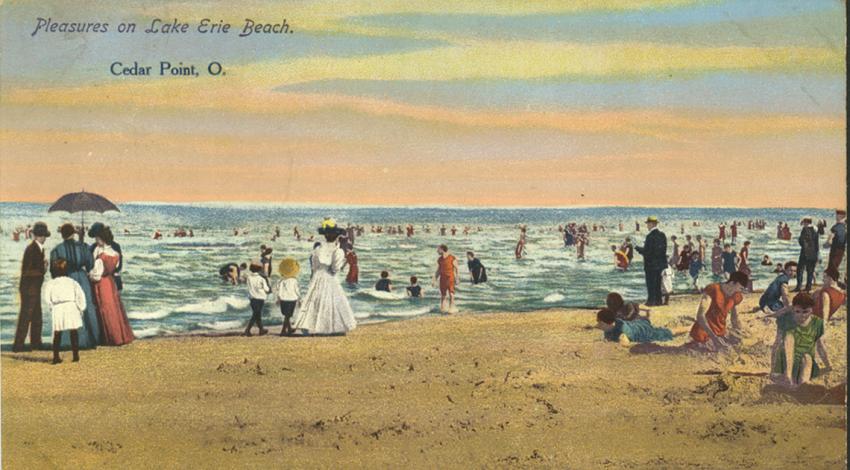
Sketch of Cedar Point beach

Editor’s note: The onset of the COVID-19 pandemic has delayed the beginning of Cedar Point’s 2020 season. As of mid-April, the park was tentatively scheduled to open for the season in mid-May. Please double-check before traveling.

Now, 150 years later, Cedar Point is Ohio’s largest tourist destination. It hosts some 3 million guests annually and boasts a record-setting 71 rides that meld tradition (a 1912 carousel, a gigantic Ferris wheel) with technology (the 93-mph Millennium Force, the 400-foot-tall Top Thrill Dragster).

Lineworker on pole

As I write to you in early April, it’s become increasingly difficult to imagine what the next few weeks will bring. I hope that this issue of Ohio Cooperative Living finds you safe and healthy and provides a pleasant diversion to your socially distanced lives.

Chris Hart

Chris Hart dons a frock coat and sports a fancy walking stick as he prepares to portray John George Nicolay for the residents of StoryPoint Grove City, a senior living complex in suburban Columbus.

Today’s performance is “Mr. Lincoln’s White House,” a vignette set in 1900 that Hart scripted, featuring himself as Nicolay, Abraham Lincoln’s personal secretary. Nicolay pays a visit to President McKinley and relates what 1600 Pennsylvania Avenue was like years before, during Lincoln’s tenure. As Hart enters the room where he’ll perform, StoryPoint residents greet him like groupies with smiles, handshakes, and fond words about his monthly presentations.

Woad

If you were to imagine a garden in A.D. 800, you might picture unusual and long-extinct plants, but in fact, gardens of the medieval period (or Middle Ages) were filled with plants that have thrived for centuries and still grow in our gardens today.

Absinthe, or wormwood, is from the Artemesia family and is a lovely accent to a modern garden. Absinthe was called Mary’s tree and was used as a spice herb as well as for medicinal purposes, such as stomach disorders or nausea, and to repel insects from the vegetable garden, but is known mainly for the alcoholic beverage that is made from it. Absinthe can be grown from seeds sown directly in the ground or planted from potted plants in light, well-drained soil in full sun.

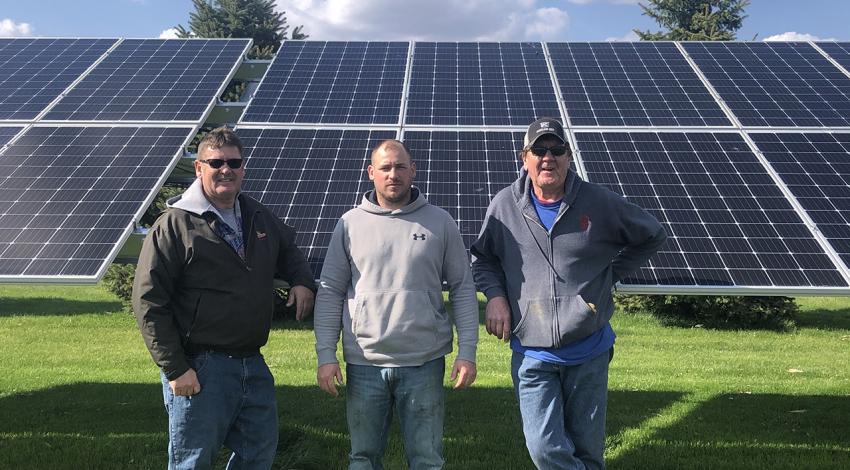
Tietje family in front of solar panels

Nick and Amanda Kelly knew they were making a long-term investment, one they hoped would benefit not only their wallets, but the entire planet.

“It’s like most things that sound too good to be true,” says Andrew Finton, energy advisor for North Central Electric Cooperative, of which the Kellys are members. “The solar company either didn’t have or didn’t give them any information that is specific to connecting to the (co-op) system, and it would have made a big difference — things like our on- and off-peak rates and our demand charge that are designed to make our billing fair to all of our members. The numbers they were using to estimate the savings on their bill weren’t even close to real life.”

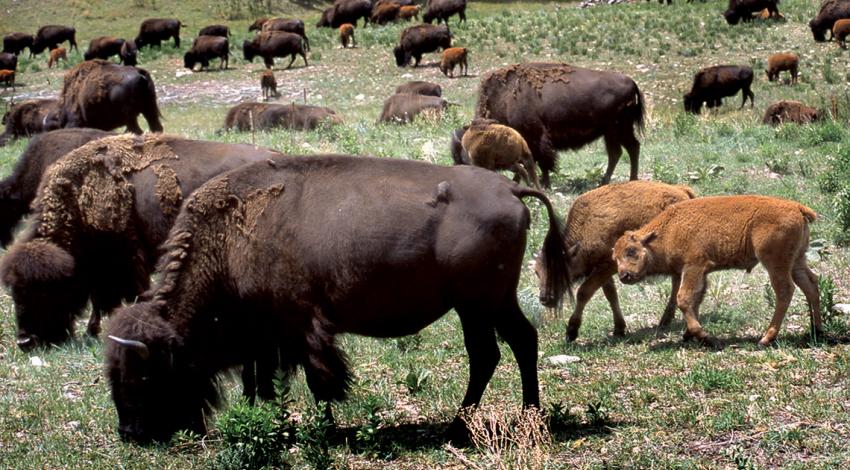
Bison herd

The year 1803 was pivotal in Ohio history. It was a year when what had always been — the frontier — was rapidly passing away, and what would be was now arriving.

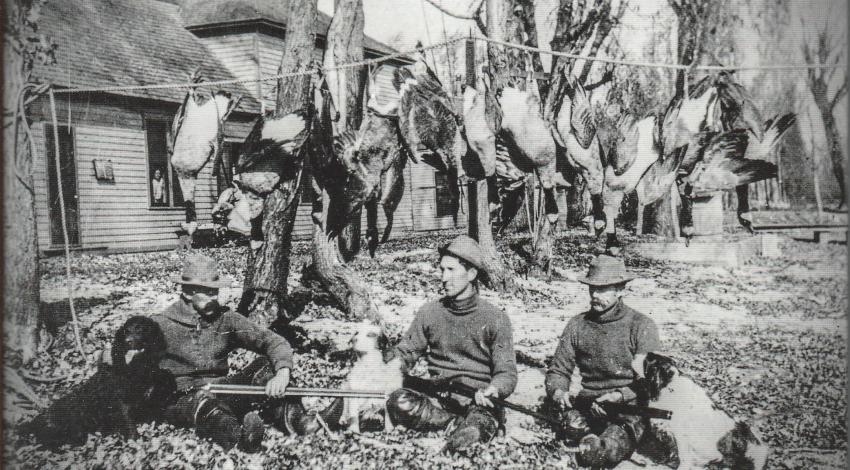
Other large wild animals living in the state, what present-day wildlife biologists refer to as “charismatic megafauna,” were soon to follow the bison into extirpation. Elk were gone by 1838, wolves by 1848. Some reports claim that mountain lions may have survived until as late as 1850.

Thank you graphic

The COVID-19 pandemic has dominated the global conversation over the past several months. Moreover, it’s dictated our personal and professional lives. In an effort to keep us as safe as possible from an invisible invader and a relentless enemy, government directives have been ever-evolving. The crisis has taken an unthinkable emotional and financial toll. Worst of all, it’s stolen lives and livelihoods. We’ll be unraveling the repercussions for years.

Wheeler Tavern

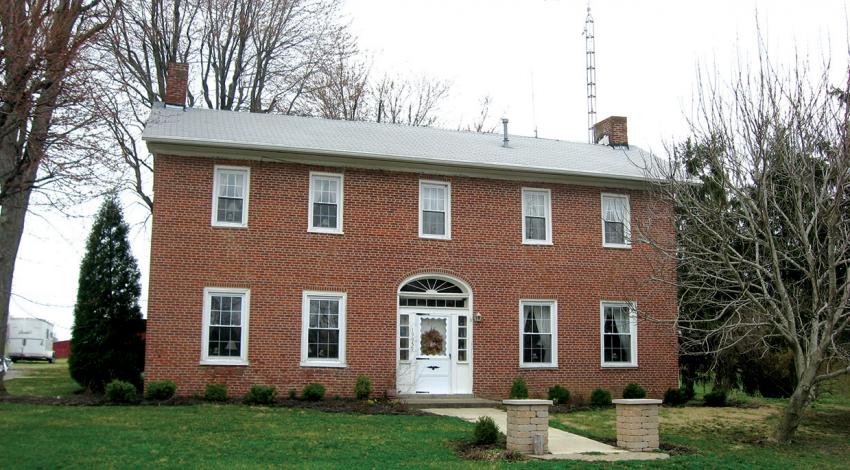
Mid-Ohio Energy Cooperative is located in the west-central part of Ohio, between Columbus and Toledo. The territory features historical landmarks, fun attractions, and a service-oriented community.

Attractions

The Ohio Historical Markers program has placed 1,800 markers throughout the state, identifying unique stories about people, places, and events in Ohio history. The 10 counties that Mid-Ohio Energy serves are home to 127 markers, and six of those fall within Mid-Ohio’s territory: Scioto Marsh, Fort McArthur Cemetery, Old Sandusky Trail and Shawnee Ford, Wheeler Tavern, the Sandusky Plains, and Killdeer Plains Wildlife Area. Scioto Marsh was formed by retreating glaciers over 10,000 years ago.

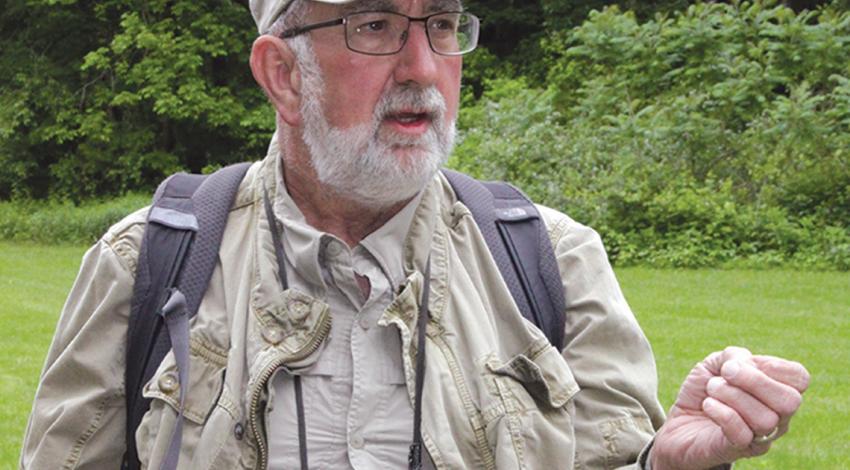
Ray Crock

Summer camp means a week of adventure, and Camp Ohio does not disappoint. Every year, hundreds of 4-H’ers travel to Licking County to test their courage on a high ropes course, make wood-burning crafts and tie-dye T-shirts, and form lifelong friendships.

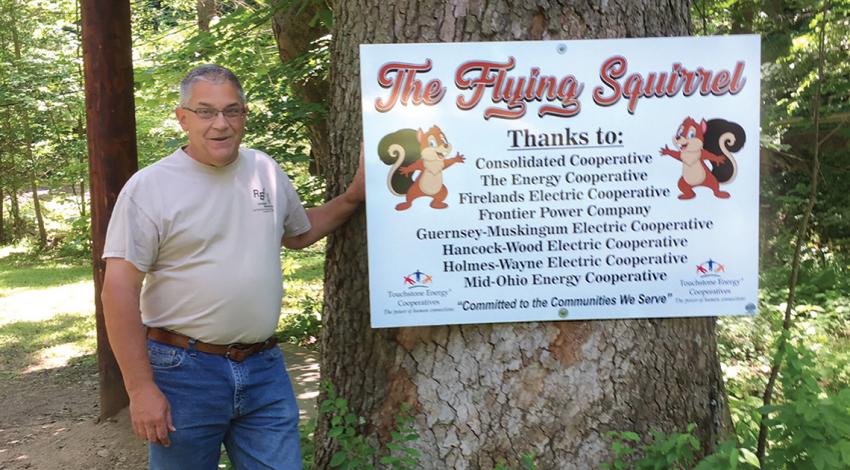
It seemed like a perfect activity for Camp Ohio, but the $10,000 price tag was far too steep for the nonprofit’s budget. Since the utility poles were the most expensive component, McConnell wondered if an electric cooperative would consider donating them to make the Flying Squirrel a reality for 4-H’ers.

McConnell ran the idea by Ray Crock, energy advisor at New Concord-based Guernsey-Muskingum Electric Cooperative, who was happy to help. An active 4-H’er growing up, Crock and his wife, Lisa, are longtime advisors for their children’s 4-H club, Flocks of Fun.