When summer heat settles in, gardens can quickly go from thriving to stressed. With the right timing and techniques, you can strategize your watering so your plants are properly hydrated, water usage is reduced, and demand on electricity is lowered as well. “Watering is a little bit of art and a little bit of science,” says Timothy McDermott, assistant professor and extension educator at Ohio State University.
Even modest adjustments in watering habits can add up to smaller water bills, healthier plants, and lower costs for all.
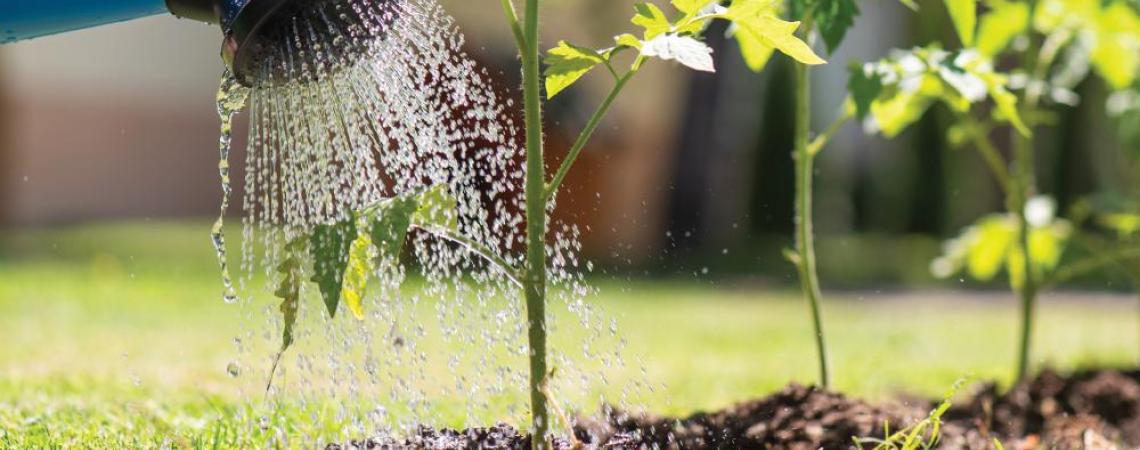
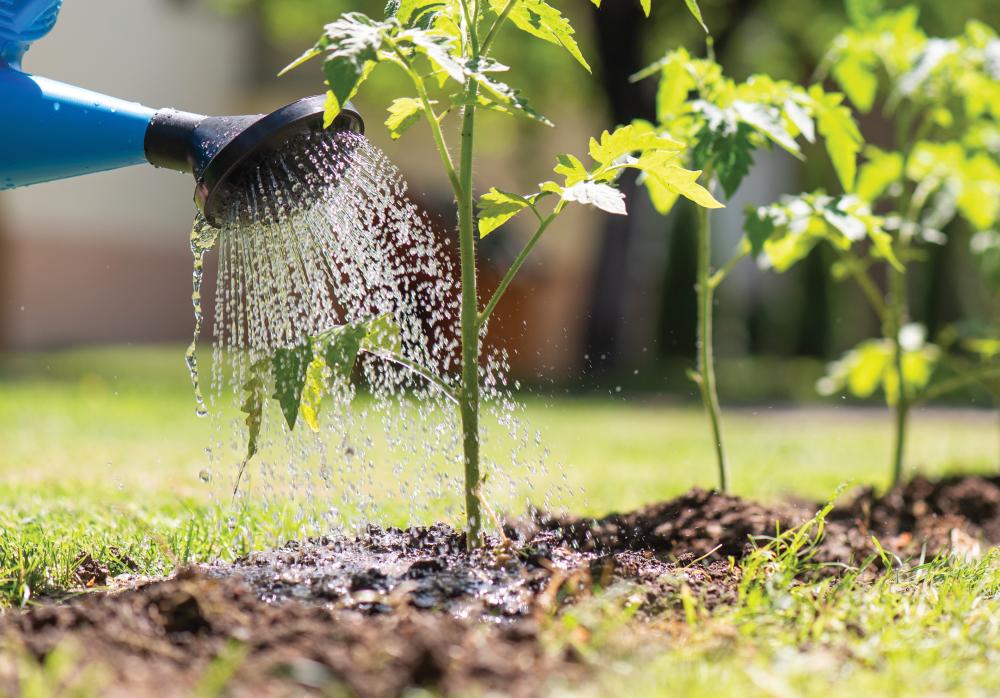
Morning watering is best as the soil is cool and allows the plant to take up water through its roots. It also minimizes evaporative loss.
Here are some tips:
Timing is everything
The time of day when you water affects how much water gets to the plant. “Morning watering is best, as the soil is cool and allows the plant to take up water through its roots,” McDermott says. “Morning watering also minimizes evaporative loss.”
Early, between 5 a.m. and 9 a.m., is ideal, because it allows plants to dry during the day. It also avoids the need to irrigate in the afternoon, which is typically high-demand time for electric use. Peak demand on the grid typically runs from roughly 2 p.m. to 6 p.m. on the hottest weekdays, meaning costs are at their highest. Shifting water-intensive tasks, including running wells, to morning hours helps reduce strain on the grid and can lower energy costs for all members.
Water smarter
Watering at the base of the plant is the best way to encourage uptake, as roots absorb water through the soil. Infrequent, deep watering strengthens the root system and reduces total water use compared to frequent, shallow spray-downs. If you don’t have time for a deep watering, however, soaker hoses and drip irrigation can deliver water to the root zone of the plant and cut waste by up to 50% compared to overhead sprinklers.
An alternative (and ancient) method is to use an olla (pronounced oh-yah). These unglazed terra-cotta pots are filled with water and buried next to the plants. They then passively deliver water to roots as needed, with no electricity required, and cut water use by as much as 70% compared to traditional watering.
Mulch, mulch, mulch
Putting organic mulch around plants significantly reduces the need for watering. Mulch forms a barrier that slows evaporation from the soil surface, meaning roots stay moist during dry spells and you can reduce watering to as little as once or twice per week. Mulch also insulates soil, keeping it cooler in summer heat and warmer on cooler nights — ideal conditions for healthy roots. For vegetables, spread 2 to 3 inches of gardening straw, starting 1 to 2 inches from the plant stems to avoid rot. For flower beds, pots, and hanging baskets, use compost or organic wood chips or wood mulch.