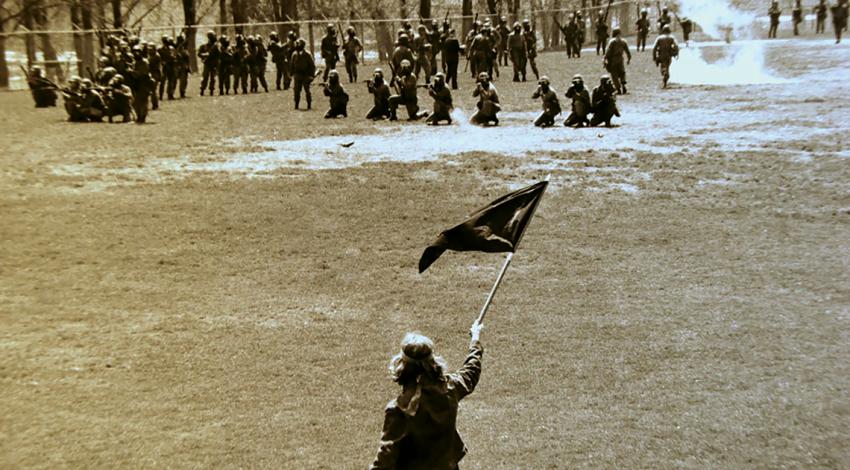
Every May 4, students, faculty, and others on the campus of Kent State University honor the memory of four students killed and nine others injured when the National Guard opened fire during a protest against the Vietnam War on that day in 1970.
This year marks 50 years since the tragedy, and plans had been in place to commemorate the occasion with dozens of speakers, symposia, and artistic tributes, until the onset of the COVID-19 pandemic canceled the events. Still, the events they had planned are an indication of how much has changed about the way the Kent State community perceives this part of their past.
Consolidated Cooperative serves almost 18,000 members in eight counties in north-central Ohio, concentrated in Delaware and Morrow counties. The cooperative not only provides electricity but also offers propane and fiber internet in some areas.
Morrow County
Consolidated Cooperative’s main office is located on State Route 95 in Mount Gilead, the Morrow County seat. The county is home to an impressive and awe-inspiring park system, which co-op employees and many others often enjoy during lunchtime walks. Visitors from around the state are drawn to Mount Gilead State Park for its outdoor amenities, but Morrow County’s Parks District is also well-known for its recreational opportunities.
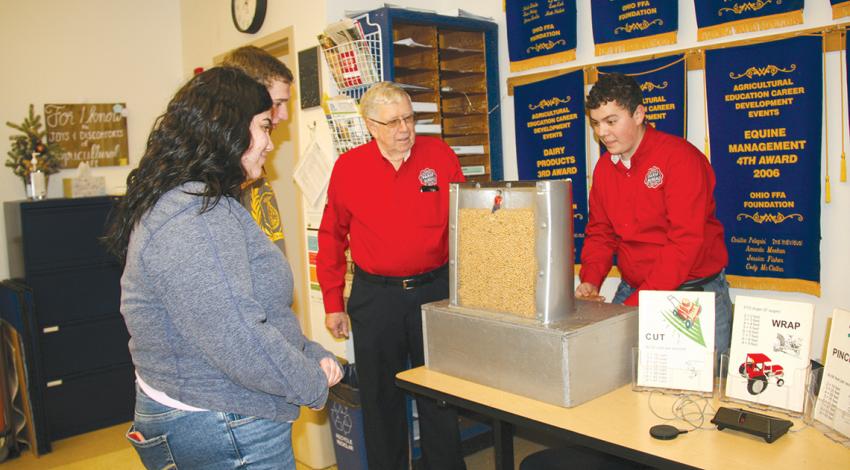
While watching RFD-TV one night, Russ Beckner saw a segment that showed a California mom driving a tractor around with her two young kids in the tractor bucket.
When he retired from P&G, that safety mindset carried over as he started helping his son, Jason, on Jason’s farm. People tend to associate farms with peaceful fields, fresh air, and contented cows, but as all farmers know, agriculture can be a dangerous way to make a living — and a farm is a dangerous place to live.
Between eight and 12 people, on average, are killed on farms every year in Ohio. Thousands more sustain injuries. “I became aware of farm injuries locally, statewide, and nationally, and I thought we could make a difference,” Russ says.

If you enjoy fishing in the Buckeye State, that next tug on your line just might be a new record fish.
Her father, Galen, explains. “We had gone fishing a few days previously, and SueAnn caught a very large green sunfish that we released,” he says. “That got me thinking as to what the state record might be for that species, so I looked it up and told her that we had likely released a state-record fish.”
The Newswangers were fishing again a few days later in the same area of the same pond when Galen heard his daughter squeal with delight, “Daddy, I caught it again!”
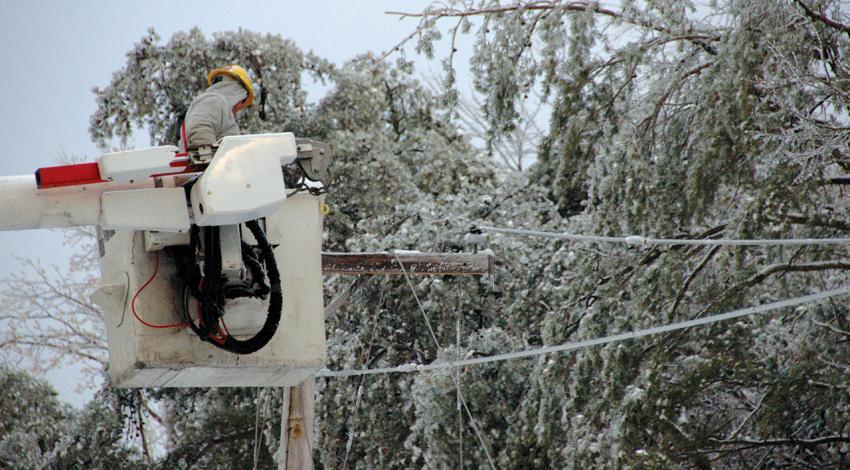
Weather forecasters knew it was a potentially devastating storm — a moisture-laden system rolling up from the Gulf of Mexico on a collision course with an arctic blast from the north, with Ohio right in the crosshairs.
“It was really just a good soaking rain that first night,” Martin says.
“We were getting a few calls, and it looked like some of our members might be out for as long as a day or two. Then when we woke up the next morning and saw it in the daylight, we knew it was a bad situation.”

The rugged, natural beauty of the Hocking Hills region in southeastern Ohio attracts more than 4 million visitors annually, so it’s not surprising that Hocking Hills State Park is the most visited in the Buckeye State.
Located at the entrance to Old Man’s Cave — the most well-known of seven major geological features in the park — the handsome log-and-stone structure includes 8,500 square feet of indoor space and both upper and lower covered outdoor verandas that add another 5,000 square feet to the two-story building.
“The new visitor center features interactive exhibits on both levels of the building that help guests learn about the unique nature and history of the Hocking Hills,” says Pat Quackenbush, naturalist supervisor at the park.
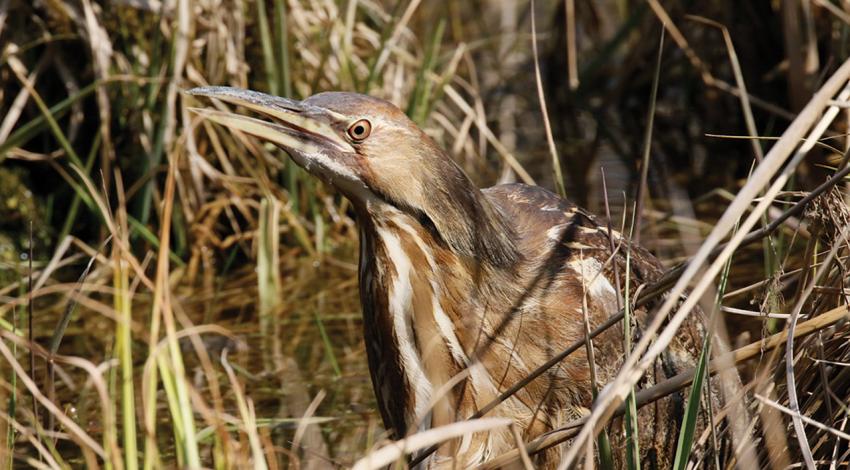
I don’t consider myself an avid birder, but I understand enough about Ohio birds to know when something unusual shows up.
American bitterns are not easy to spot, for two reasons. First, there aren’t very many of them — they’re state-endangered. Second, they are masters of camouflage. The bird kept its heavily streaked breast turned toward me at all times, rotating slowly as I moved back and forth for a better camera angle.
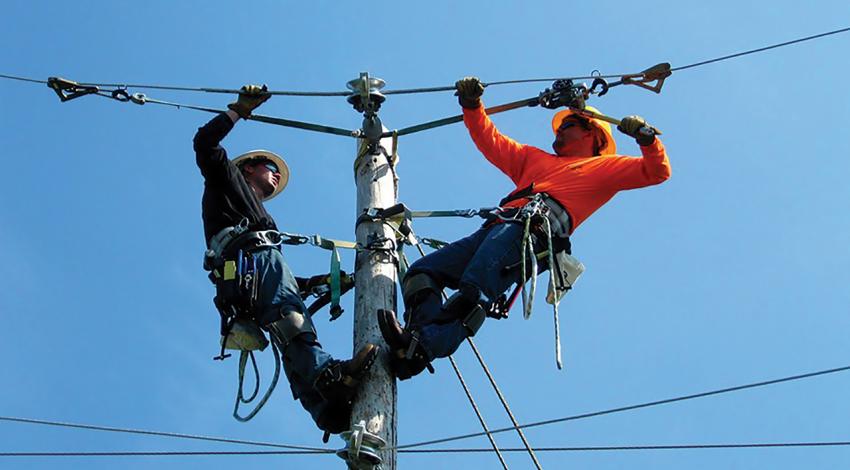
If you’ve read this magazine for long enough, you get the idea that we respect, even admire, the people whose job it is to go out every day and keep our lights on. The lineworkers who represent each of the 24 electric cooperatives in our state are the first responders of the cooperative world. They are a dedicated, self-sacrificing bunch who do not flinch when the call goes out — any time of day, any season of the year.
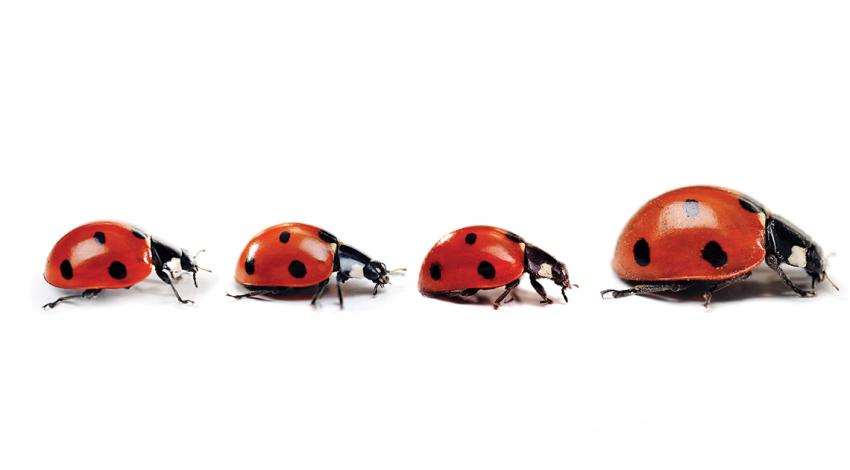
In 1975, the Ohio General Assembly chose the ladybug as the official state insect, citing attributes shared with the great people of the Buckeye State.
This orange-and-black or red-and-black speck of an insect (which is technically a beetle rather than a bug) is the size of a pencil eraser, and it brings a welcomed utility to orchardists and farmers alike. Ladybugs, as cute and dainty as they may be, are voracious predators of other bugs, including some destructive ones that are too small for the human eye to see.