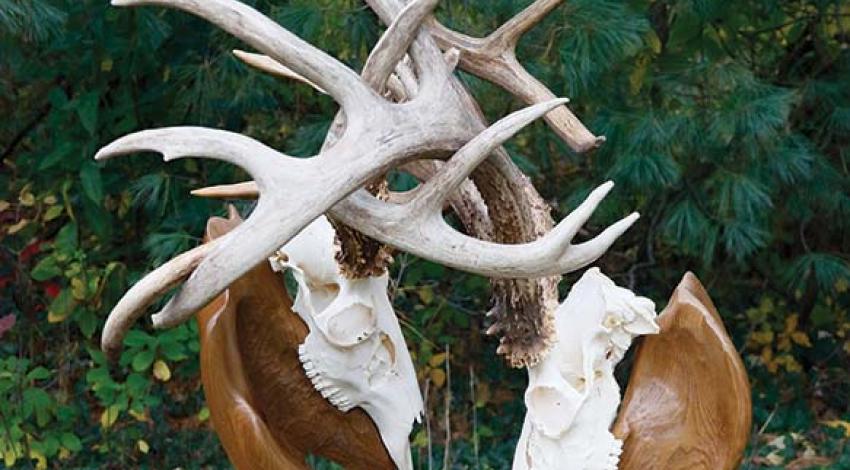
Each autumn, testosterone-fueled whitetail bucks, their necks swollen to twice normal size in preparation for battle, clash in combat to determine who will win the right to breed the area’s does.
Clint Walker, a member of Consolidated Cooperative, discovered just such a pair of dead bucks on his farm in Morrow County in north-central Ohio during the autumn of 2017. Interestingly, this is not the first unusual find on the Walker farm. In 2013, a mastodon skeleton was discovered and subsequently excavated by biology professors and students from Ashland University. According to carbon-14 dating techniques, the giant bones were estimated at 13,000 years old.
"Home for the holidays” takes on a whole new meaning when you choose gifts created by Ohio artisans, crafters, and makers. You’re supporting small businesses throughout the state, and you’ll impress everyone on your list with items that are unique, innovative, and homegrown.
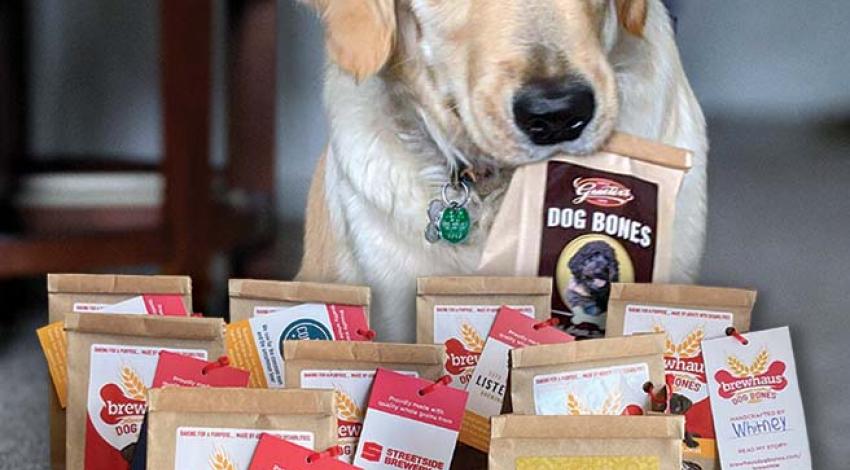
Brewhaus Dog Bones, Cincinnati
A nonprofit organization founded by Lisa Graham, Brewhaus Bakery provides vocational training and employment for young adults with disabilities. Its handcrafted, small-batch dog bones are a healthy treat with ingredients including protein-rich spent grains sourced from local microbreweries and fresh eggs delivered by a Brown County farm. 513-551-7144. http://brewhausdogbones.com
Country Manor Mixes, Leesburg
Over the last few months, Ohio Cooperative Living has taken a look at why we still need coal — an analysis of cost and reliability factors of different generation resources; a review of the sources of electricity used to power Ohio’s co-op member homes and businesses; an ex
ADDING TRANSMISSION
Hundreds of billions of dollars will be needed to build and upgrade the transmission system to carry more electricity from wind and solar. An MIT study found transmission capacity will need to be doubled, and recent transmission projects have taken as long as 17 to 20 years to complete.
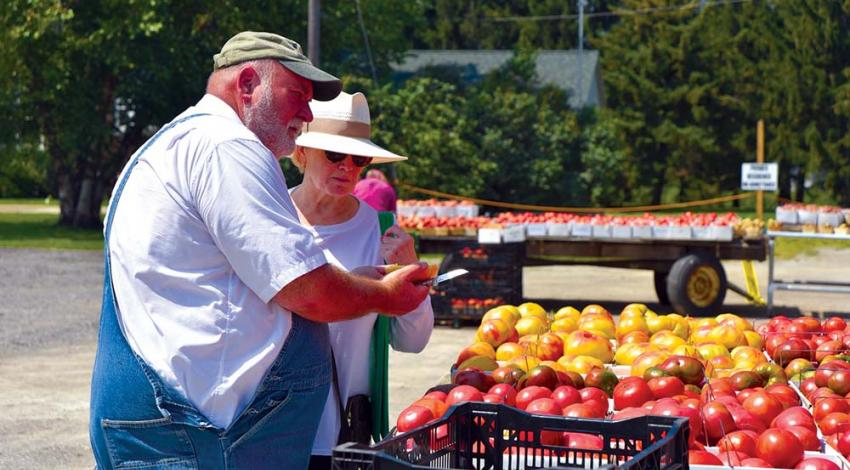
The specialty crops on Lee Jones’ 350-acre farm are myriad: beets, peppers, tomatoes, carrots, tomatillos, honey, potatoes, corn, beans, squash, edible flower blossoms — the list numbers into the hundreds.
The pandemic, however, completely changed his business model. “We made a lot of lemonade last year trying to swing for base hits,” Jones says. “We had to, because we were desperate to keep the farm going and, most importantly, keep our team safe, fed, and employed.”
Jones says he’s proud to have kept 136 families gainfully employed through the pandemic. His family already lost one farm in the 1980s after a devastating hailstorm finished off what the 1980s American farm crisis had already begun, and so he was determined to make it work.
He did it in ingenious fashion.
Buckeye Power, the generation and transmission cooperative that provides electricity to Ohio’s 24 electric cooperatives, produces safe, affordable, and reliable power using an all-of-the-above generation strategy.
Each potential generating resource — coal plants, solar panels, hydropower facilities, etc. — produces power at a different level of reliability, environmental impact, and cost, so the trick is to balance each factor in the generation mix to produce electricity in the safest, cleanest, most economical, and most reliable way possible.
That’s already a complicated task, because some of those factors tend to be at odds with one another. In recent times, another factor has added another twist to those generation decisions: consumer attitudes.

Did you hear that?” my daughter, Rosie, asks as we climb a wooden staircase in the Anchorage, a former mansion on the outskirts of Marietta, in southeastern Ohio. “It sounded like a low grumble.”
History and hauntings
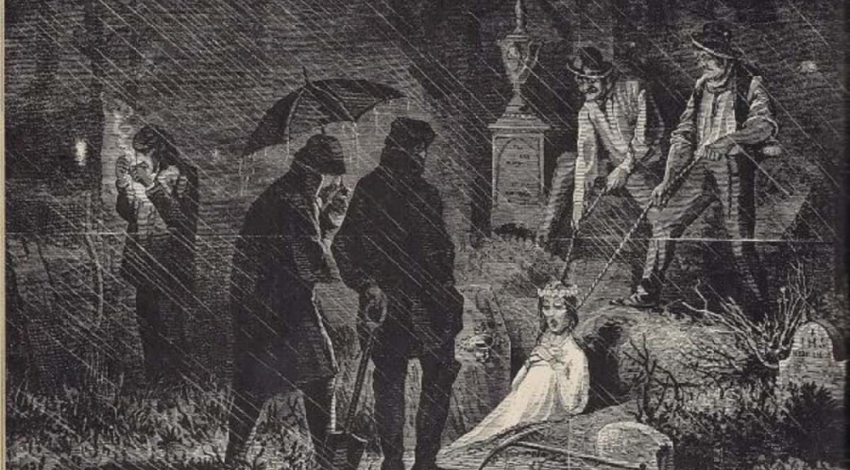
A healthy respect for the “other side” is well advised during a visit to Marietta, which dates to 1788 as the first permanent settlement in the Northwest Territory. History and hauntings go hand in hand here, as the city’s storied, well-preserved past provides ghosthunters a spooky year-round playground.
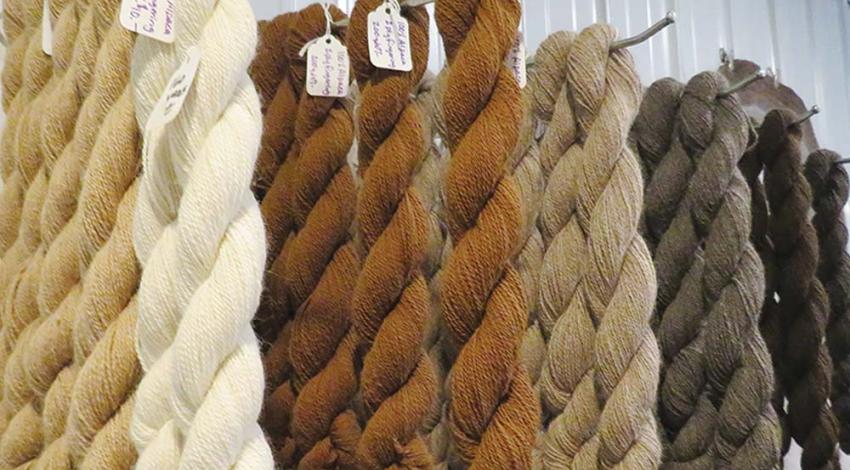
When a young woman approached Robbie and Carrie Davis about making the yarn for her wedding shawl, they readily obliged. The bride-to-be wanted the yarn to contain fleece from a specific alpaca, so they created an alpaca-silk blend especially for her.
A cria is a baby alpaca, and the farm’s name was inspired by the couple’s years of alpaca industry experience. They acquired their first alpacas in 2006 and soon began breeding and showing the animals at fairs with help from their son, Jessie, who is now 20 and an aviation technology student at Sinclair Community College. Alpacas don’t shed, so Robbie and Carrie became adept at shearing.


As summer has ended and autumn is upon us, your electric cooperatives are making plans for next year.
In 2017, Ohio’s electric cooperative network launched the OurSolar statewide initiative that developed 23 community solar projects across the state. In total, the arrays can provide up to 2 megawatts of renewable energy, under ideal conditions. Consumer-member response to the new community-based solar farms and solar power subscription opportunities was clearly supportive. Panels available for subscription at many participating co-ops sold out almost immediately.