February 2026

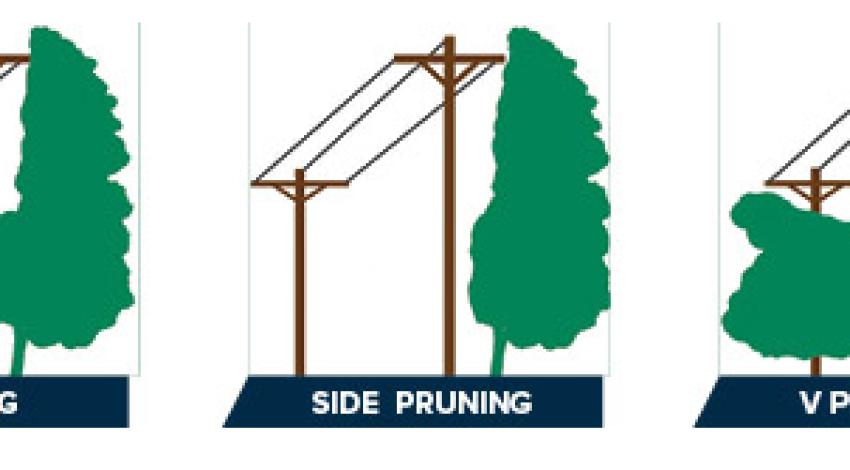
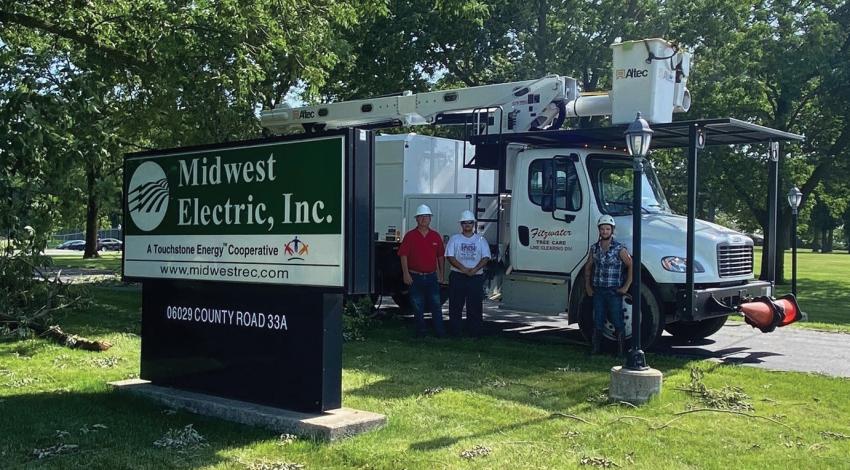
Trees do a lot of good for our communities. They clean the air, absorb carbon dioxide, and — when planted in the right places — help shield homes from harsh winds and summer sun. That natural protection can even reduce the energy needed to heat and cool our homes. But when trees grow too close to power lines, those benefits can quickly turn into serious safety risks.
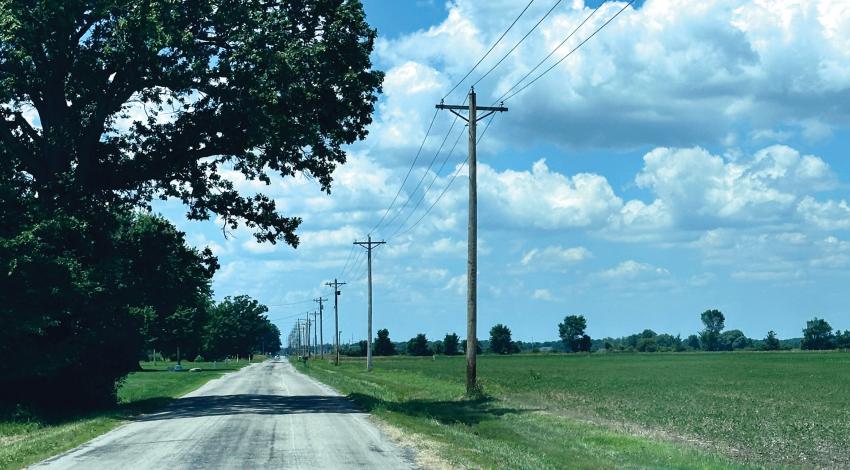
Nearly 90 years ago, electric cooperatives like North Central Electric were formed for a simple reason: For-profit utilities would not serve rural communities. The distances were too long, the costs too high, and the profits too uncertain. So, neighbors came together, pooled their resources, and built something they could own themselves. They believed access to electricity was not about profit, but opportunity.
That origin story still matters today.
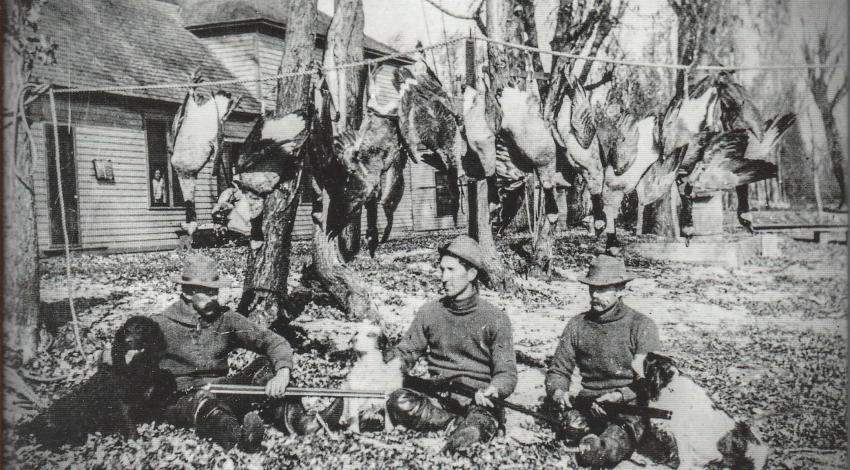
Decades ago, when I was a much younger man, I was a serious waterfowl hunter.
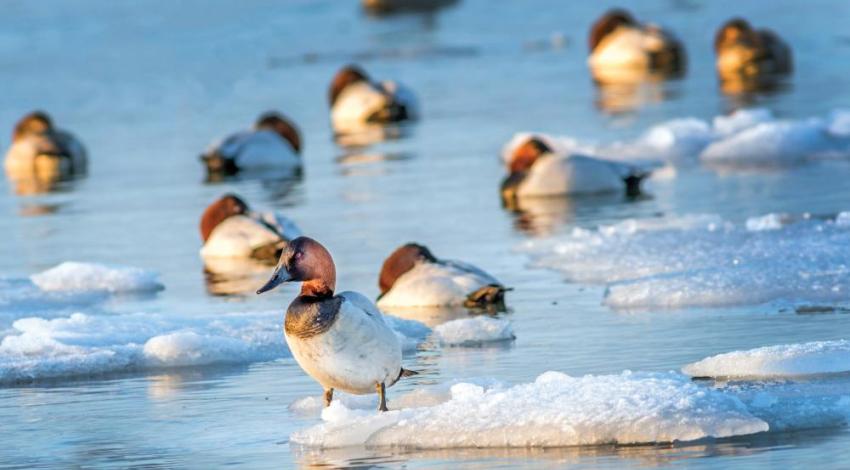
Large, handsome, fast-flying birds, canvasbacks were not exactly numerous during those years, but they were plentiful enough to be considered fair game. No matter how hard we hunted, however, we never bagged a single one.
I retired from duck hunting and sold the boat decades ago, but in truth, I never totally lost the desire to bag a “bull can,” as hunters call the male (or drake) canvasback. Recently, I realized that I’m not getting any younger, and I decided that if I’m ever going to do it, I should probably do it soon. And I knew exactly where to begin my “hunt.”
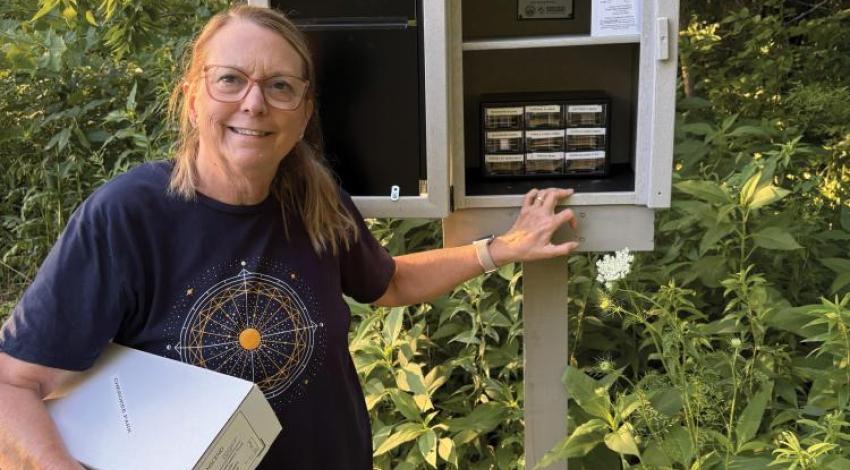
On a beautiful spring morning a few years ago, Randy Evans, director of Three Valley Conservation Trust in Oxford, was walking through a wooded area with the owner of the property, admiring the stunning array of wildflowers in bloom.
Evans thought of all the Little Free Libraries that were springing up at the time, offering books for anyone to take, and thought that maybe a similar program might encourage more people to plant wildflowers. It was a project, he figured, that would fit right in with 3VCT’s mission.
Three Valley Conservation Trust is a nonprofit group that promotes conservation measures in Butler, Preble, and Montgomery Counties. Its 250 members mainly work to secure land conservation easements and raise awareness of the importance of protecting natural habitats and resources.

Data centers may feel like a big-city phenomenon, but more and more of them are showing up in rural communities like ours — and there’s good reason for that. Rural areas offer what data centers need most: affordable land, room to grow, and access to transmission lines that can move large amounts of power.

Did you know Butler Rural Electric Cooperative is member-owned and operated? Co-ops are democratic organizations whose members have equal voting rights and can influence policies and decisions by participating in co-op elections. This concept — called Democratic Member Control — is one of the cooperative principles that guide our daily operations.
Nearly 90 years ago, electric cooperatives like Lorain-Medina Rural Electric were formed for a simple reason: For-profit utilities would not serve rural communities. The distances were too long, the costs too high, and the profits too uncertain. So, neighbors came together, pooled their resources, and built something they could own themselves. They believed access to electricity was not about profit, but opportunity.
That origin story still matters today.
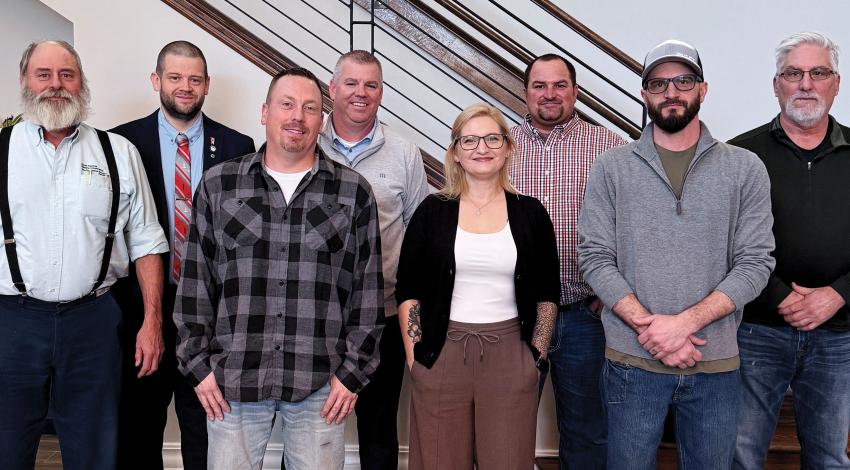
North Central Electric is celebrating two employees — Data Analyst Lynndsie Stahl and Journeyman Lineman Paul Weaver — graduating from a statewide program aiming to hone the skills of the next generation of electric cooperative leaders.
The one-year Cooperative Leadership Edge program was hosted by NCE’s statewide association, Ohio’s Electric Cooperatives, and required six courses, two assessments, and a capstone project. Coursework focused on coaching employees, managing conflict, adapting communication approaches, carrying out difficult conversations, and delivering results.