February 2026

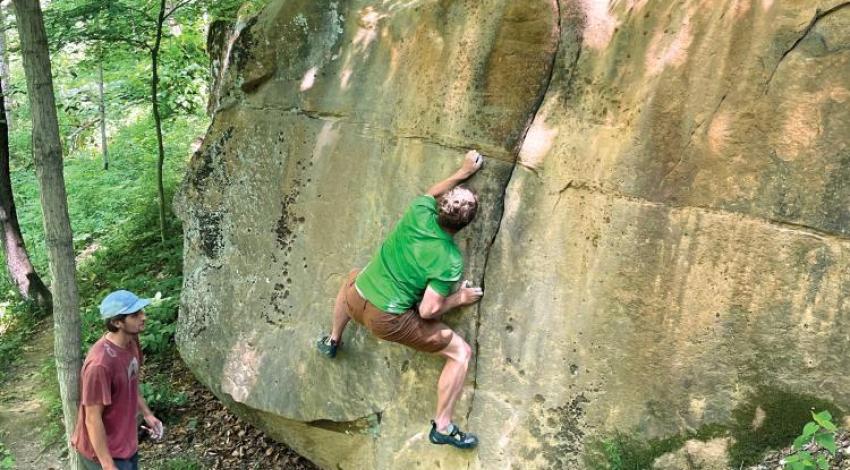
A man free solo climbing

Ted Welser, a professor in the Department of Sociology and Anthropology at Ohio University, focuses his academic research on “the intersection of digital social systems, organizations, and social change.” 

“Climbing combines physical activity — a sportlike activity — with a meaningful cultural experience,” he says. “It’s a reason to travel and experience new places. I’ve spent hundreds of days climbing in Ohio, Kentucky, West Virginia, and Alabama, traveling to places that are remote. I’ve enjoyed meeting people there who are climbers and not climbers.” 

Shortly after he earned his PhD in sociology from the University of Washington, he and his wife, Laura Black, moved to Athens with their two kids to be professors at OU. 

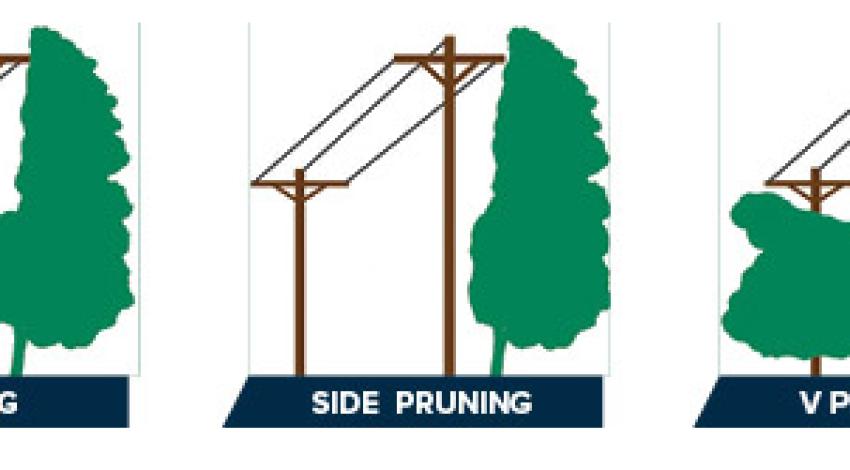
Different ways to trim trees around power lines

Tree and vegetation management keeps the lights on

Tree and vegetation management is an important part of Butler Rural Electric Cooperative’s annual work plan. This task is vital for delivering safe, reliable power to members.

What is a right-of-way?

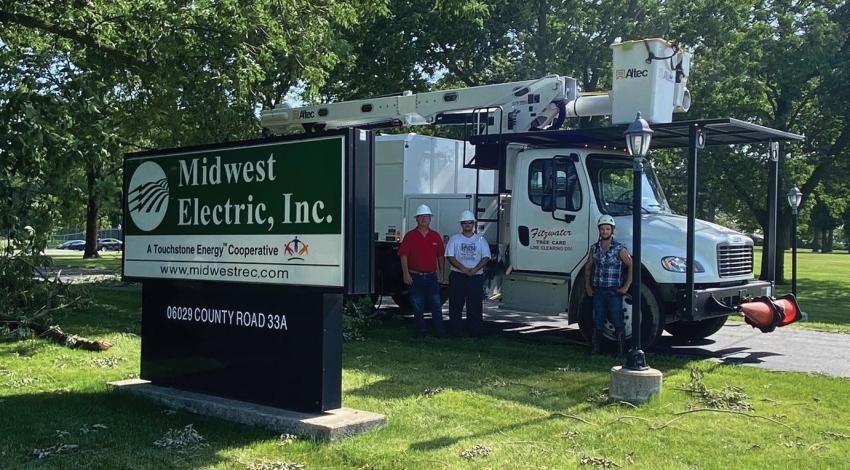
tree-trimmers in front of truck

Trees do a lot of good for our communities. They clean the air, absorb carbon dioxide, and — when planted in the right places — help shield homes from harsh winds and summer sun. That natural protection can even reduce the energy needed to heat and cool our homes. But when trees grow too close to power lines, those benefits can quickly turn into serious safety risks.

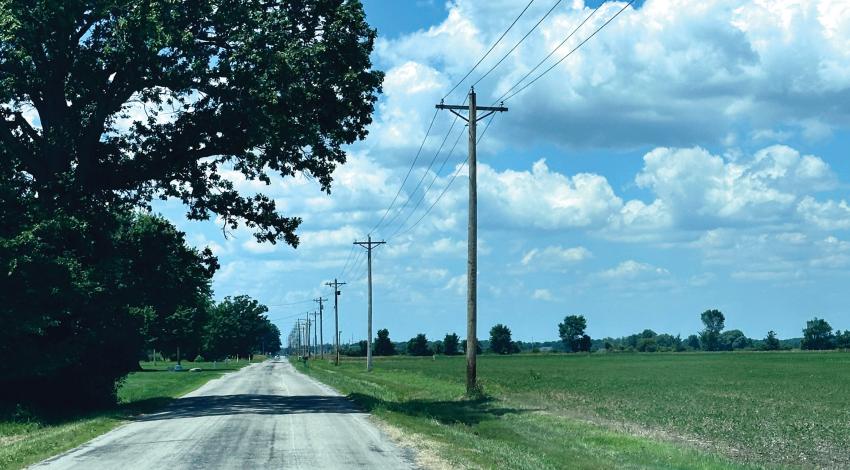
electric lines along road

Nearly 90 years ago, electric cooperatives like North Central Electric were formed for a simple reason: For-profit utilities would not serve rural communities. The distances were too long, the costs too high, and the profits too uncertain. So, neighbors came together, pooled their resources, and built something they could own themselves. They believed access to electricity was not about profit, but opportunity.

That origin story still matters today.

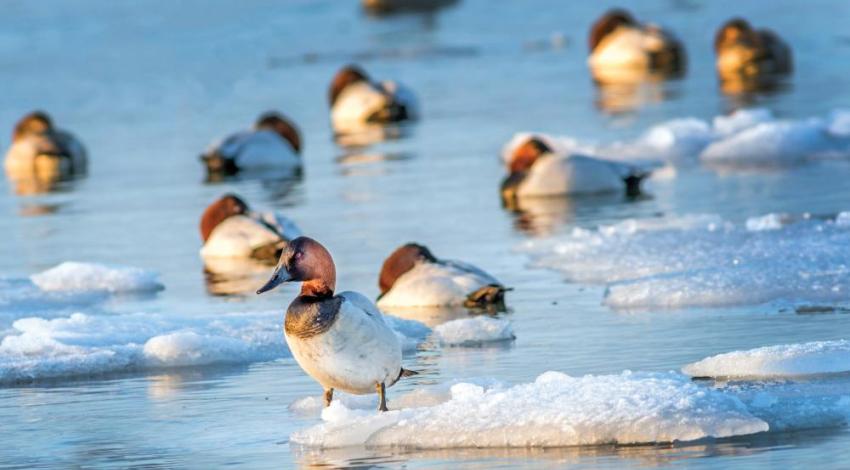
A photo of ducks in icy water

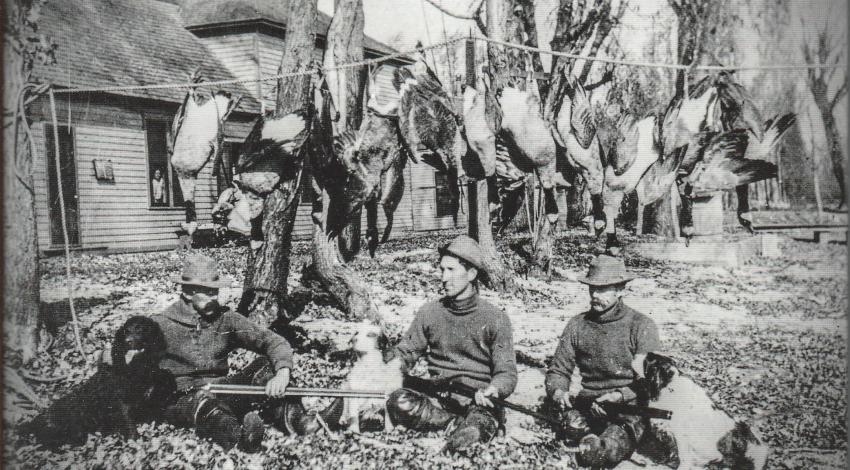
Decades ago, when I was a much younger man, I was a serious waterfowl hunter.

Large, handsome, fast-flying birds, canvasbacks were not exactly numerous during those years, but they were plentiful enough to be considered fair game. No matter how hard we hunted, however, we never bagged a single one. 

I retired from duck hunting and sold the boat decades ago, but in truth, I never totally lost the desire to bag a “bull can,” as hunters call the male (or drake) canvasback. Recently, I realized that I’m not getting any younger, and I decided that if I’m ever going to do it, I should probably do it soon. And I knew exactly where to begin my “hunt.”