June 2020

An energy auditor uses an infrared camera to look for areas around the window that are leaky or poorly insulated.

Homeowners looking to replace older, drafty windows to improve their home’s energy efficiency should examine all their options. New windows are often the most costly and least cost-effective energy efficiency investment you can make. There are, of course, sound reasons besides energy efficiency to invest in new windows, such as comfort, resale value, aesthetics, and even need.

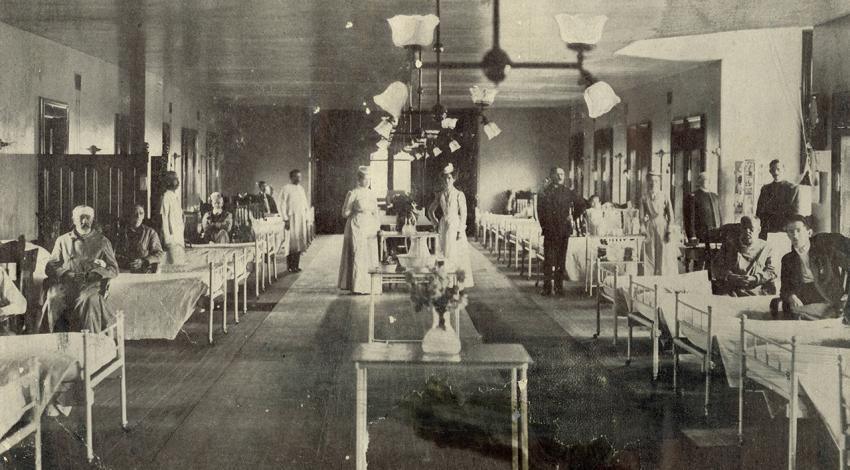
An old black and white picture of the hospital ward.

Yellow Springs resident Dave Neuhardt was surprised to find that his love of history would lead him to the grave marker of his great-great grandfather, who fought for the Union during the Civil War.

Among those in the National Cemetery on the grounds of the Dayton VA Medical Center are the remains of Howard Bates, who served Ohio infantry and cavalry regiments. Why he is buried there is part of the historic narrative attached to the place.

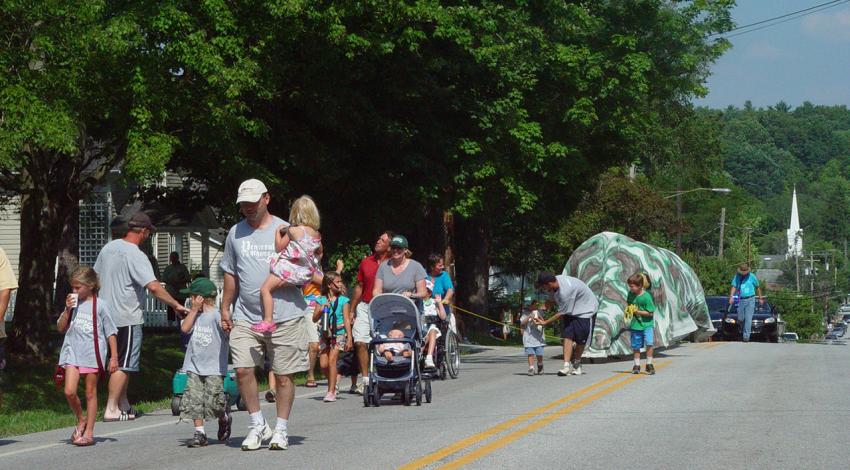
A small parade of children and parents walks down the street.

Springtime can only mean one thing: It’s the beginning of festival season in Ohio, a time when there’s a celebration to honor just about any hobby, haute cuisine, and historical happening in hamlets across the state. Here’s a look at some of the more interesting festivals happening this spring and summer.
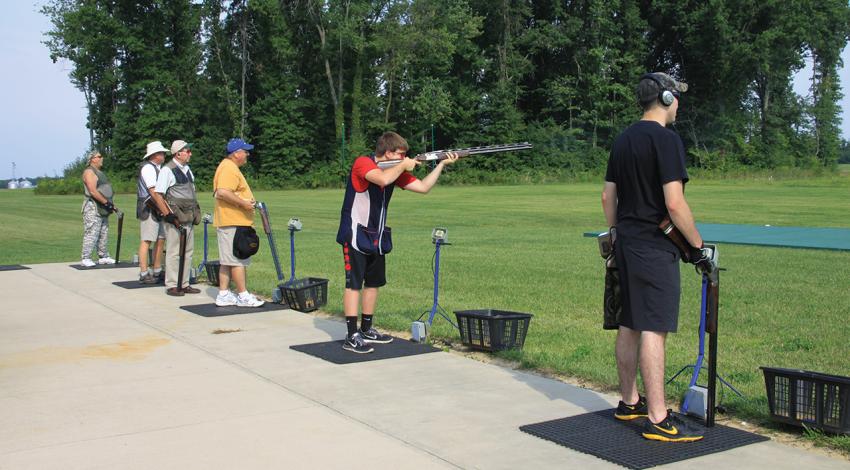
Six men stand at the shooting range, one pointing a gun.

Over the past decade, it has steadily grown to become the largest privately owned recreational shooting facility in the country. The numbers alone are impressive: Fifty-two trapshooting fields sit side by side, stretching a full mile, alongside 14 skeet fields, 14 pistol and rifle ranges, two sporting clays ranges, and an archery range.

The initial structure of the building being built.

Being a lineworker is not a particularly easy job; besides the strenuous nature of the work that both keeps the lights on and restores power when there’s an outage, the folks on the poles need to have a knowledge base that ranges from basic knot-tying to electrical engineering.

Not surprisingly, there’s a lot of training that goes into becoming (and remaining) a lineworker. Also not surprisingly, Ohio’s electric cooperatives are leaders in the field of lineworker training.

A picture of paper poppy flowers.

Rudy Dalrymple leaves his room at the Ohio Veterans Home in Sandusky between 5 and 5:30 a.m. most days, and settles into a comfortable padded chair behind his sturdy worktable. Using crepe paper, wire, cloth tape, and his trusty wooden crimping tool, he forms delicate poppy blossoms, one after another, again and again, until he’s surrounded by a mound of flowers, which are destined for American Legion auxiliaries across Ohio to use in their major fundraising efforts around Memorial Day.

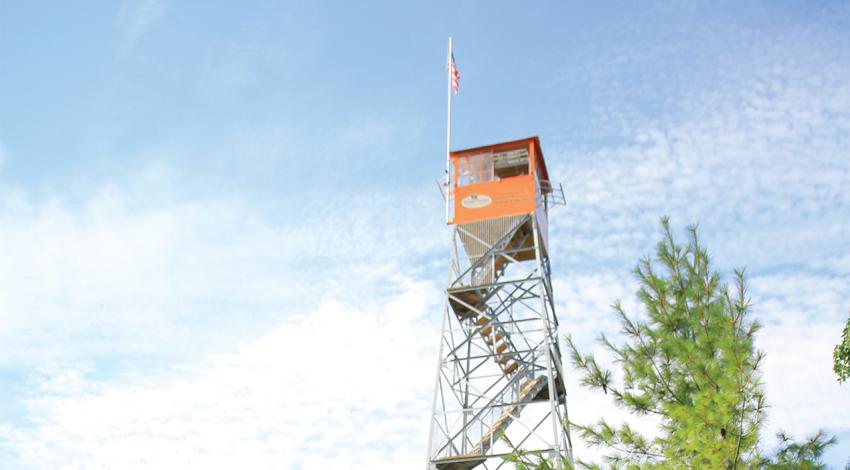
Fire tower at the Ohio State Fair

Our present days are an amalgam of all of our yesterdays: the past is prelude. That adage couldn’t be more true with respect to Ohio’s geologic history. Nearly the entire state felt the cold crush of mile-deep glacial ice pushing on the land.

The evidence is all around you in the moraines, the low long ridges in southwest Ohio; the grooves etched in stone on Kelleys Island; the open, pleasant till plains seemingly laid flat as a skillet.

Fishing guide Dave Rose (left) and a client show off part of their catch of Green Bay walleyes during a day on the lake.

For once, I was there “yesterday.” If you’re an angler, you know what I mean. How many times have you heard, “Well, the fish aren’t biting today, but had you been here yesterday (or last week, or last month), well…”

Putting me on the fish that magical late-summer morning a few years ago was veteran fishing guide Dave Rose. We were fishing a small river in northwest Michigan from a drift boat, casting minnow-imitation lures for king salmon (also known as Chinooks) that were migrating upstream from Lake Michigan to spawn.

A man seals a window.

Homeowners often fret about their older windows, perhaps even original to the house — maybe they let in cold drafts during the winter, or contribute to overheating in the summer. People like the look of the older windows, and replacing them with new ones is expensive. In last month’s column, we talked about replacing windows, but doing so is costly, and it could take 20 years of energy savings to recover the investment.

You can, however, make significant improvements to your existing windows without investing a large amount of money or time.