June 2020

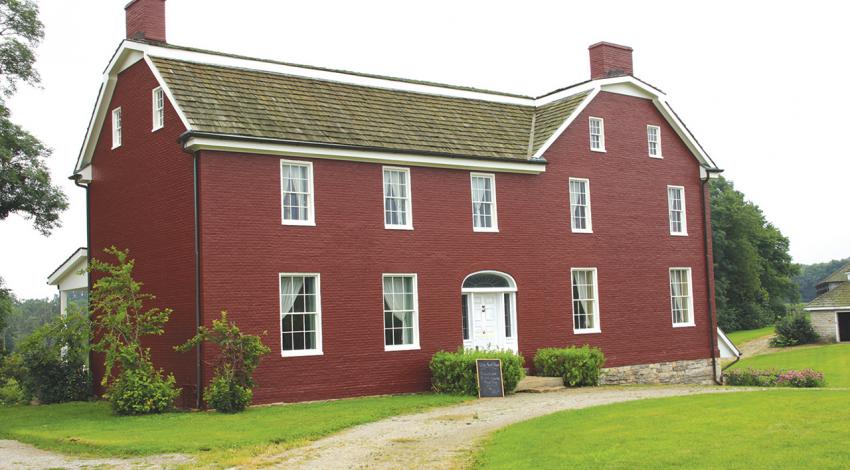
A picture of the outside of the Old Johnston Farm, a large red building.

During the early 1800s, Ohio was the western edge of America’s frontier. A few Native American tribes still remained in the state, but the Indian Removal Act numbered their days. Passed by the U.S. Congress in 1830, the Act required all Indians living on reservations to move west of the Mississippi. The last to leave the Buckeye State were the Wyandot, and the man tasked with making that happen was John Johnston (1774–1861).

Everyone has to start somewhere, career-wise. Many times, that means internships for those who are trying to sort out possible paths. For decades, explorers who have come into an internship at an electric cooperative have found a “home away from home” — a family feeling with smaller staffs that allow for both learning opportunities and advancement. Electric co-ops are companies that care about their employees; they offer good pay, stellar benefits, and a friendly environment.
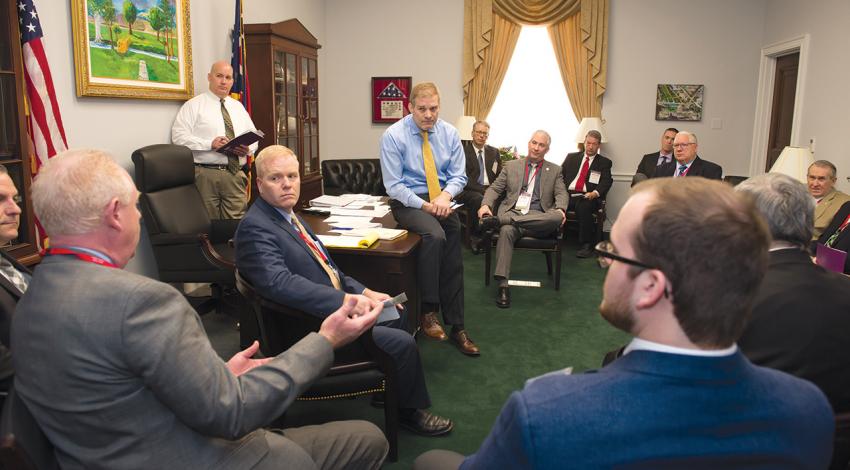
U.S. Rep. Jim Jordan listens to a point during a meeting with leaders from Ohio electric cooperatives during the 2018 legislative conferences in Washington, D.C.

Ohio electric cooperative leaders joined more than 2,000 of their counterparts from around the country in April to discuss legislative and regulatory concerns with members of Congress at the 2018 NRECA Legislative Conference in Washington, D.C.

The conference, held annually, allows co-op leaders to build relationships with policymakers that improve their members’ lives every day.

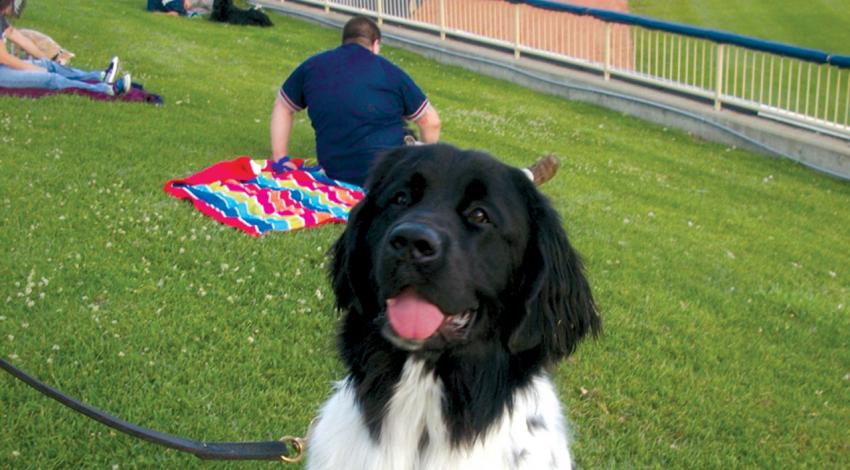
A black and white dog at a dog park stares into the camera.

Ohio is generally a dog-friendly state — more than a third (36.6 percent) of the state’s households include a canine resident — and research tells us that nearly two-thirds of dog owners consider their pup to be a member of the family. So when summer travel beckons, it’s nice to know where your tail-wagging pal can come along for the ride.

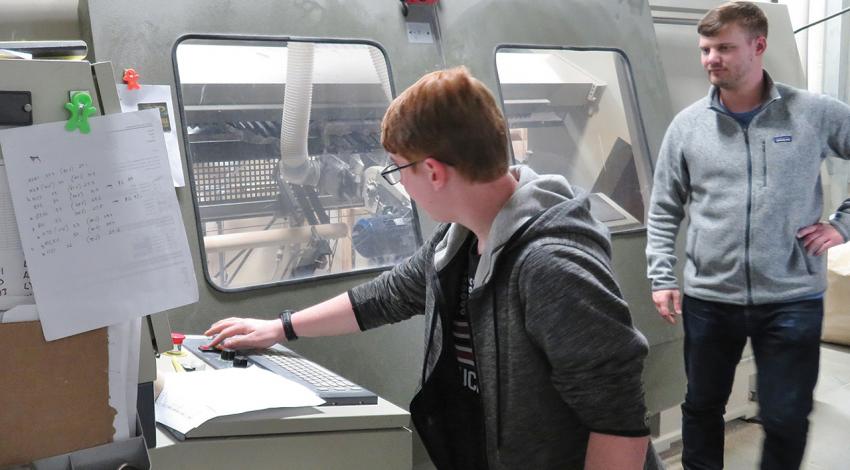
A kid pushes a button while a man looks on behind him.

Manufacturers throughout the state open their doors to the public, offering tours to demonstrate how they produce everything from modern vehicles to old-school items and providing prime examples of the Buckeye work ethic.

Plan ahead: Since production schedules can affect factory tour availability, always call to confirm dates and times.

Without exception, electric cooperatives throughout the state of Ohio are proud, ingrained resources for the communities they serve. Of course, co-ops provide electricity to area homes, churches, and businesses, but that’s not all that they do for their communities.

Co-op employees live in those small towns; shop at the local supermarket; coach Little League teams; champion civic projects; and lend a hand when their neighbors need one. Ohio co-op staffs have a vested interest in doing what’s right for both the cooperative and their fellow citizens.

Carol and Tom Schlueter smile together in front of their Freedom Train.

Folks throughout western Ohio — in and around the area served by Midwest Electric — have become accustomed to seeing the Freedom Train chugging around area fairs and festivals.

With a vintage Coca-Cola bell clanging and small American flags flapping in the summer breeze, the train transports youngsters and adults along midways, across parking areas, and even through livestock barns.

New Knoxville-area resident and longtime co-op member Gary Katterheinrich created the 65-foot train 10 years ago after he retired as manager of Neil Armstrong Airport.