June 2020

Folks throughout western Ohio — in and around the area served by Midwest Electric — have become accustomed to seeing the Freedom Train chugging around area fairs and festivals.
With a vintage Coca-Cola bell clanging and small American flags flapping in the summer breeze, the train transports youngsters and adults along midways, across parking areas, and even through livestock barns.
New Knoxville-area resident and longtime co-op member Gary Katterheinrich created the 65-foot train 10 years ago after he retired as manager of Neil Armstrong Airport.
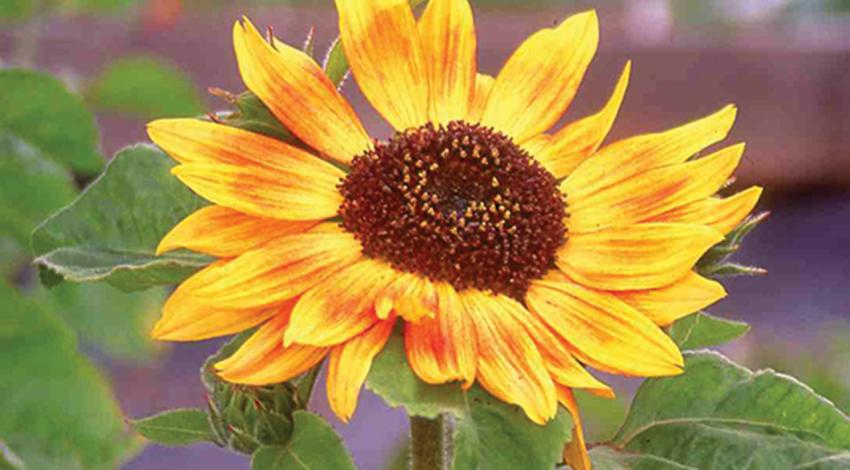
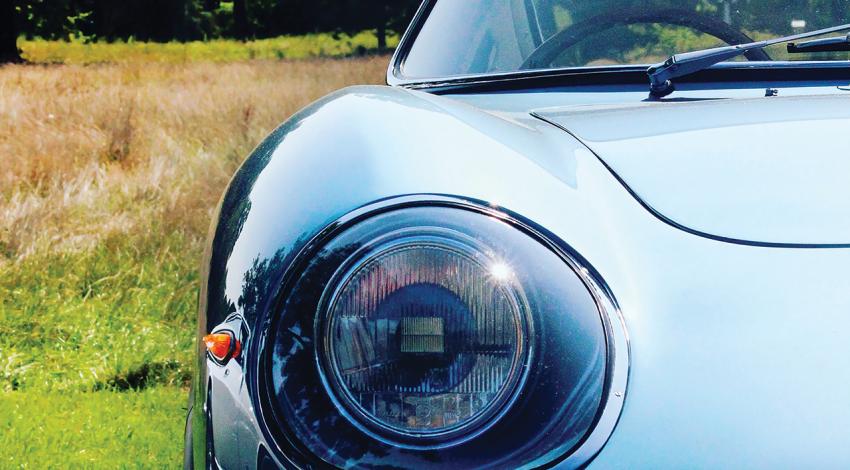
Baseball may be the national pastime, but cruise-ins are Ohio’s obsession. From spring through fall, anybody and everybody — towns, museums, businesses, and even wineries — showcase vintage vehicles, and whether it’s a collectors’ show or informal cruise-in, Ohioans turn out in droves to relish the craftsmanship, chrome, and charisma of classic cars.
Since cruise-in season is underway in the Buckeye State, we’ve selected eight great events where the good times roll.
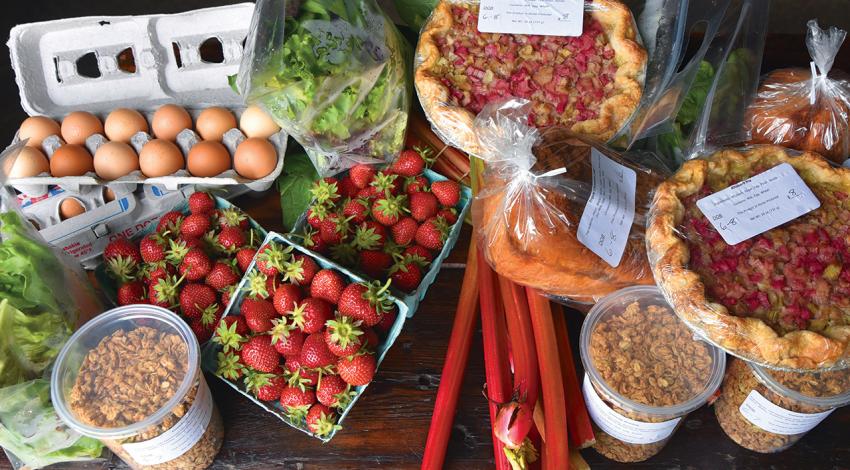
A card table laden with amber honey, a small cart burdened with shiny rhubarb and lush green asparagus, a picnic table flush with tomatoes or peaches. Sweet! Your eyes settle on fresh picks but see there’s no one around — and there it is: a coffee can, a cigar box, or a little door with a slot and a sign reading “Money” or “Pay here.” Welcome to Ohio: the land of honest food and plenty of it.
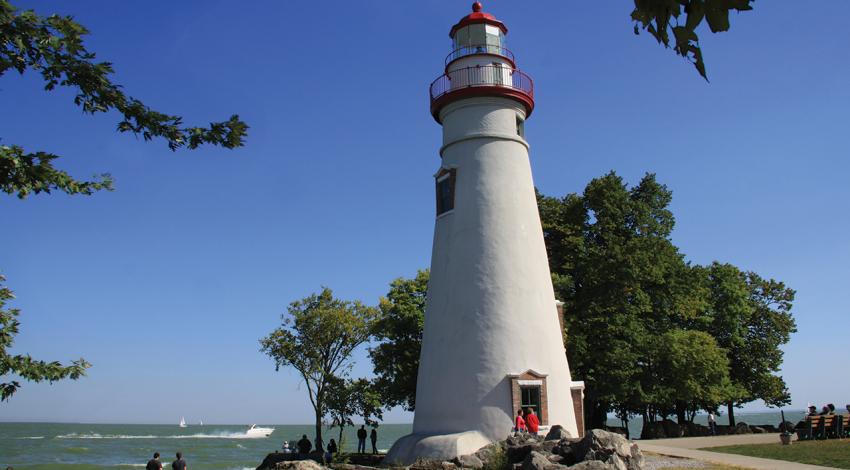
What is it that attracts us to lighthouses? Could it be their immovable stability in an ever-changing world? Mute guides to somehow show us the way, much as they do for wayward sailors?
Whatever the reason, people have been visiting the Marblehead Lighthouse on Lake Erie at the mouth of Sandusky Bay for nearly two centuries, ever since its construction in 1821. It’s the oldest lighthouse in continuous service anywhere on the Great Lakes.
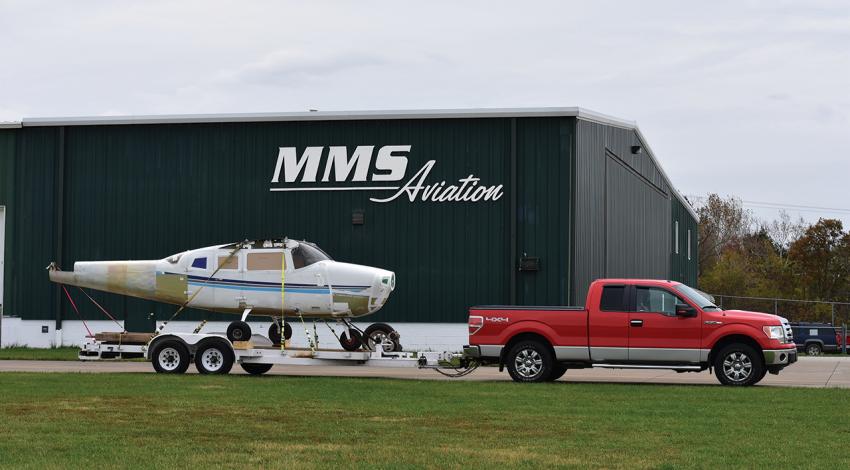
In the Christian mission field, it can be difficult, to say the least, to reach remote regions of faraway places such as Honduras, Haiti, Zambia, Papua New Guinea, or Mozambique. Aircraft play a vital role as missionaries deliver food, supplies, and the Word of God in a matter of hours or days to areas that used to require weeks to reach on foot.
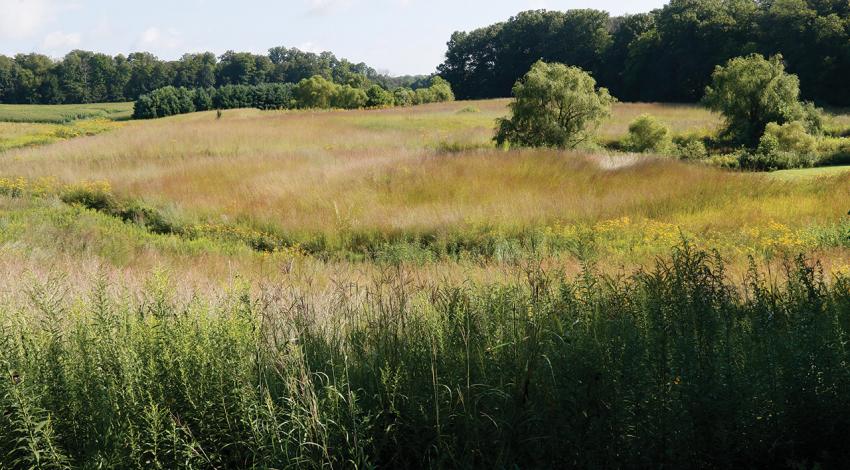
North America’s prairies once stretched from the foothills of the Rocky Mountains east into western Ohio, a staggering 1 million square miles or more of native grasslands that covered a third to nearly half of our country.
But what took millennia to develop disappeared in only half a century. The transformation began in 1833, when John Lane Sr. created the polished-steel, self-scouring plow, which could penetrate heavy prairie soils. A fellow blacksmith then improved upon Lane’s original design and marketed the new plow aggressively. That second blacksmith was John Deere.

Somewhere among the archives belonging to Pioneer Electric Cooperative in Piqua is buried a postcard from a member notifying the cooperative that the power was out at his home.
“…So, the next time that you are out here, please check it out,” says Nanci McMaken, paraphrasing the document. McMaken, vice president and chief communications officer at Pioneer Electric, has seen lots of changes during her 36 years at the co-op, which serves 16,700 members in Champaign, Shelby, and Miami counties — but methods of communication has been a big one.
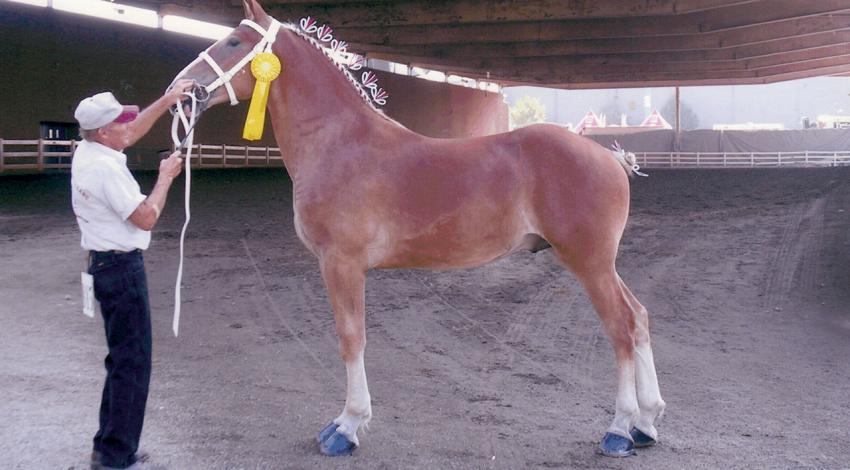
Belgians — those big draft horses with gentle dispositions — are beautiful. Just ask brothers George and Ted Barhorst of Fort Loramie. The Barhorst family was honored at the 2017 Ohio State Fair for 75 years of showing Belgian horses. Their grandfather, Bernard Barhorst, started the tradition, which continues today.
“I don’t ever remember a time when we didn’t raise, breed, and show Belgians,” Ted says. “We have 12 of them right now.”