June 2020

Three Easter eggs sit below colorful tulips.

During one of his daily strolls about Washington, D.C., in the spring of 1878, President Rutherford B. Hayes came upon a group of unhappy children, upset that they had nowhere to roll their Easter eggs.

Rolling Easter eggs was a popular children’s game of the day, so President Hayes and First Lady Lucy decided to help the kids. They struck upon an idea for an event that’s made thousands of children happy for nearly 140 years — the White House Easter Egg Roll.

A woman reads a book on a couch.

If you’ve been following along with the “Survive and Thrive: A New Theme for 2016!” series, you know that I’ve launched an aggressive campaign against overtired, over-stressed parenting. Hopefully by now, you’ve been able to focus more on your family by reconsidering your time commitments and making room for memories. This month, however, I want you to shift your focus from your family to yourself. That’s right. I want you take time out to read a book.

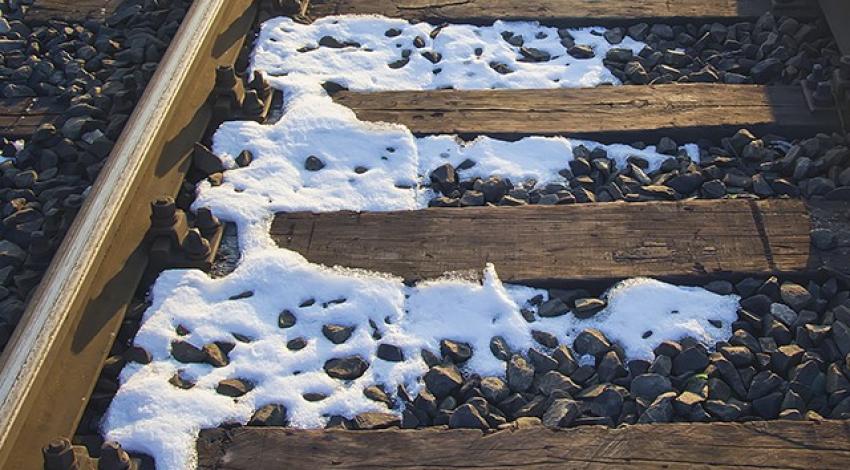
Train tracks covered in snow.

On March 29, 1916, at roughly 3:45 a.m., a speeding train plowed into two other trains that had collided in the town of Amherst in Lorain County, near Lake Erie, as part of one of the worst train wrecks in Ohio history.

To help observe the 100th anniversary of the deadly crash, Echoes in Time Theatre will present The Amherst Train Wreck at the Ohio History Center in Columbus, home of the Ohio History Connection (OHC), formerly the Ohio Historical Society.

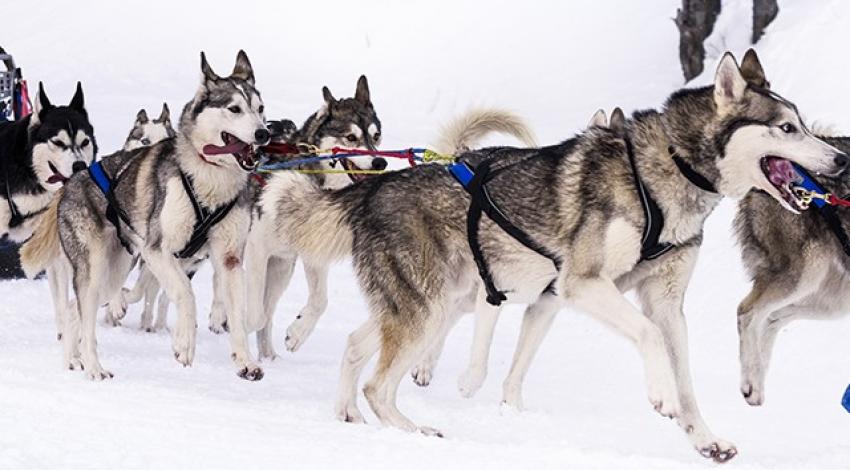
A pack of sled dogs carry a sled.

The relatively mild winter this year in Ohio would hardly make a person think about dog sledding. Yet Ohio does have a connection with the famed Iditarod sled dog race, held annually during March in Alaska. The Iditarod race is named for the Iditarod trail that was originally used for getting mail and supplies to the interior of Alaska and bringing out gold, which was being mined by prospectors trying to make their fortune.

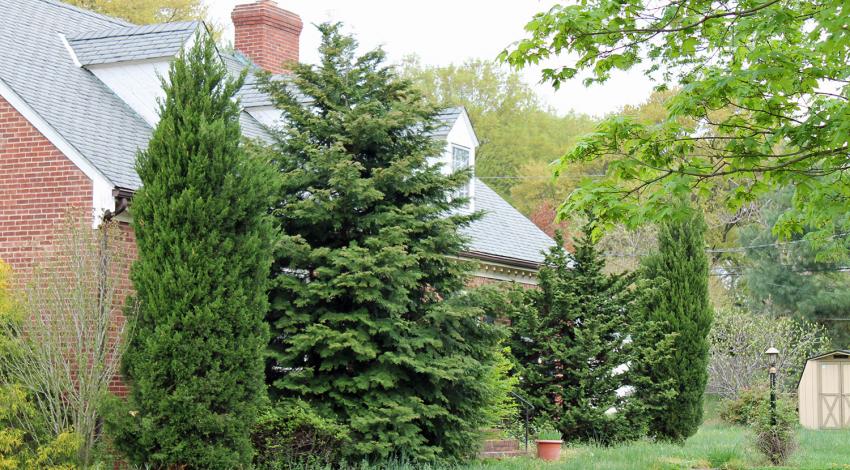
An overgrown front yard.

Gardening is like any endeavor. The more you know, the more success you’re likely to have. Every setback can serve as a learning experience and evidence for the saying that “Everything I learned about gardening can be found in my compost pile.” One way to speed up the learning process is by taking advantage of the knowledge of those who have killed their petunias and dogwood trees before you.

Here are seven of the most important woes that our “foregardeners” would warn you about:

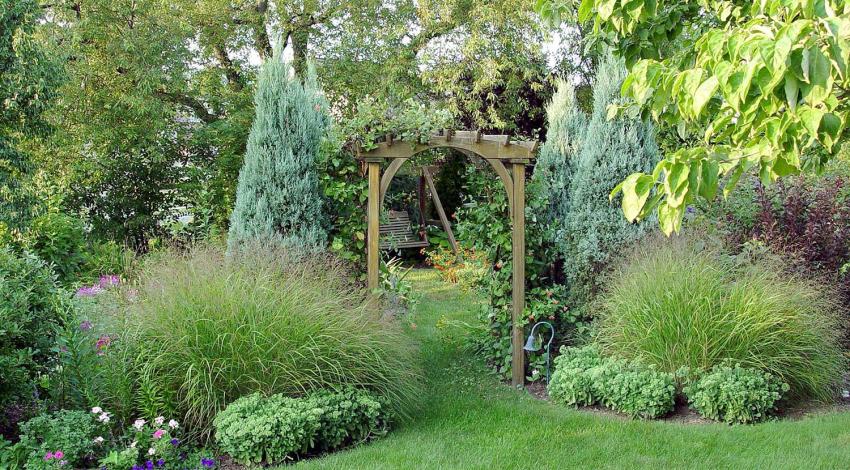
A garden at a home

Sometimes it’s not easy making a yard look good even in one season, much less all four. Yet high on many a landscaping wish list lately is the goal of creating a yard that changes with the seasons and looks good in all of them.

The job is a little easier in spring to early summer when the majority of plants bloom and in moderate climates where seasonal differences aren’t as harsh.  It gets much harder where seasons bring major changes, and it’s hardest of all in cold-winter climates where the landscape can be buried under snow for months at a time.

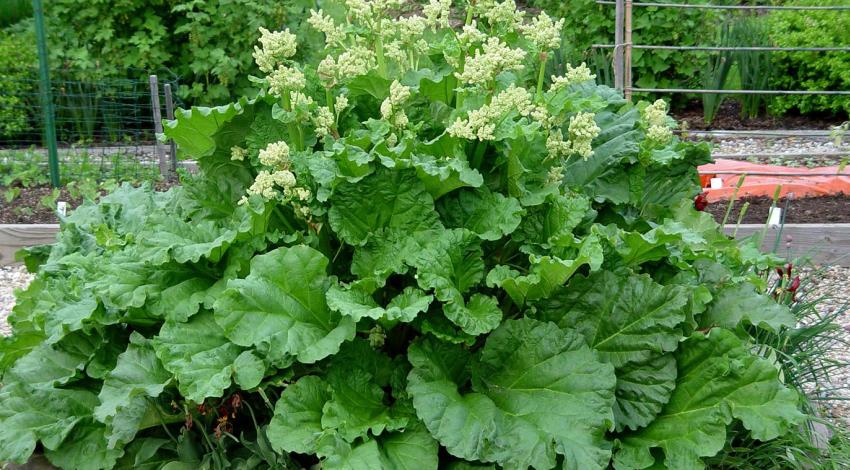
A rhubarb plant in flower.

If you’re going to take a shot at growing your own dinner this year, a good place to start is by picking the crops that offer the best return on your investment.

Experienced gardeners quickly learn that some types of home-grown vegetables work out better than others.

Choices such as onions and peppers, for example, perform reliably well with few setbacks throughout most of the country, while crops such as broccoli and spinach often run into bug threats and have fairly narrow planting-time windows.

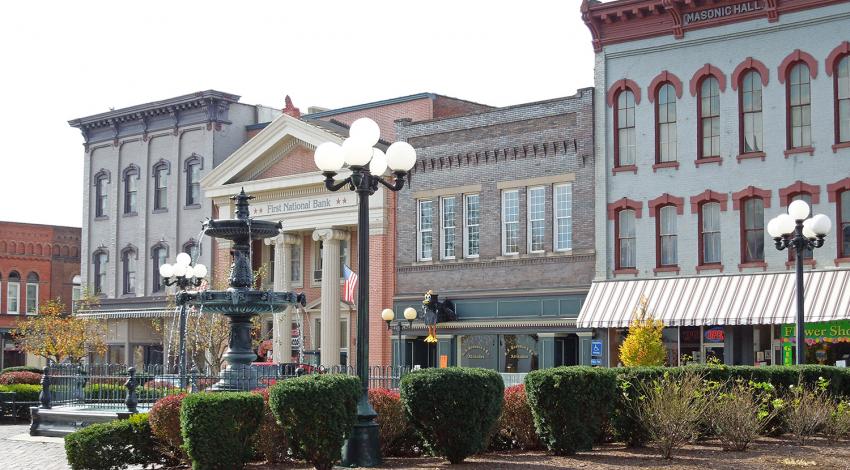
A picture of a fountain and buildings in Nelsonville

Some Nelsonville businesses worried that the new U.S. 33 bypass would take away business traffic. Now, a few years later, Nelsonville has become a destination instead of the  bottleneck it once was as drivers passed through this Athens County town. Few ever turned off the congested highway to explore Nelsonville’s picturesque downtown a few blocks away.