W.H. Chip Gross

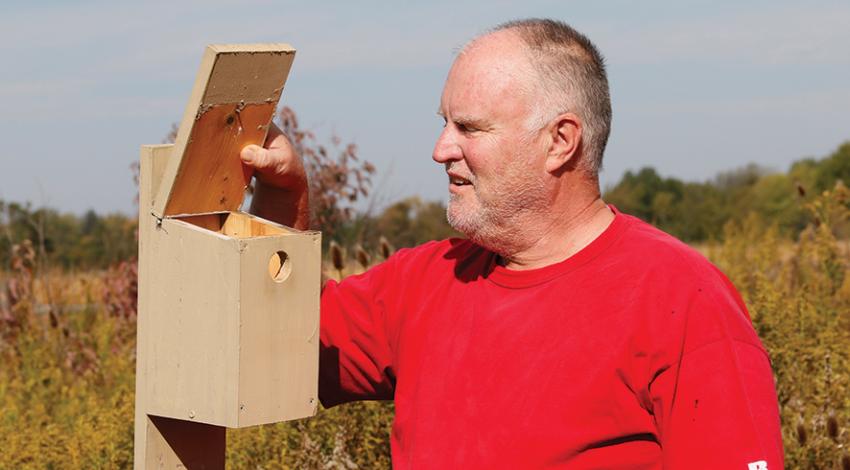
It’s easy to find Joe Bodis’s property in Huron County, a few miles southeast of New London, Ohio. Just look for the house surrounded by “weeds.”
In actuality, those “weeds” are a carefully planned and developed island of wildlife habitat in a sea of corn and soybean fields. “When I first moved in, neighbors used to stop and ask when I was going to mow the weeds,” Bodis says. “Now they ask what things they can do on their property to attract wildlife.”
A retired pharmaceuticals salesman and member of Firelands Electric Cooperative, Bodis moved to his 5 acres in 2002.
Each winter, Ohio is invaded by mysterious aliens that sail south from Canada on silent wings. But these migratory birds — short-eared and long-eared owls — are no longer feared as the portenders of death that most owls were during centuries past. Rather, a glimpse of the owls is eagerly sought by today’s birders as a special seasonal treat, another check mark to add to their life list.
The pointed protuberances on the heads of these two owl species that give them their names are not really ears, but rather, just feather tufts.

Aldo Leopold (1887-1948) is considered the father of modern-day wildlife management in North America; his 1933 book, Game Management, is a classic. I’m fortunate to own a copy of the second printing (1936) and recently wondered what it might be worth, so I contacted Jim Casada of Rock Hill, S.C., a fellow outdoors writer and an expert on collectible outdoor books.
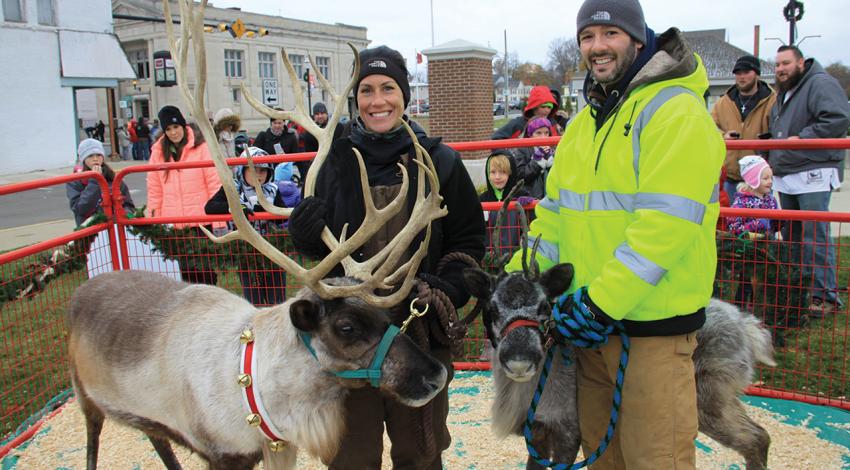
By far, the question Kevin and Debbie Kleer hear most this time of year is, “Can reindeer really fly?”
The Kleers run Kleerview Farm near Bellville, Ohio, in southern Richland County, and kids are there with their parents mostly to pick out a Christmas tree and see Santa. The real attraction, however, is the Kleers’ small herd of nine live reindeer — Blitzen, Noel, Belle, Nicholas, Crystal, Jingles, Clarice, Felice, and Cherry — which obviously prompts lots of questions, from both kids and adults.
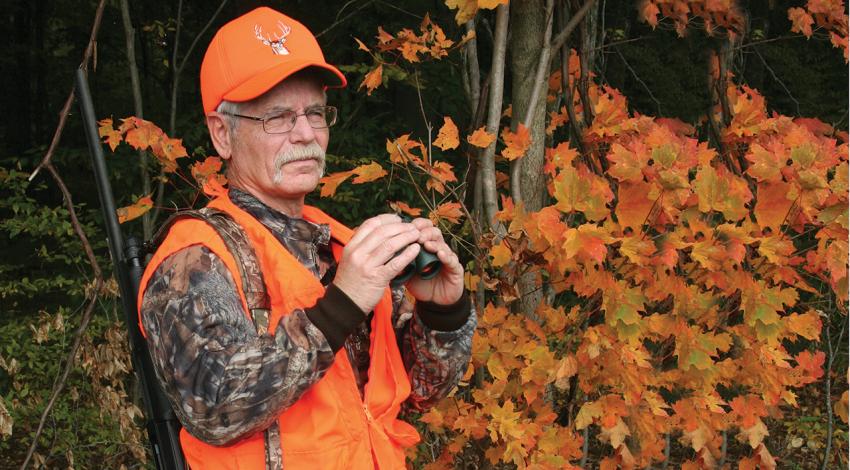
Twenty years ago this fall, Rick Wilson was driving along a Virginia highway when he spotted a woman standing beside a car with the trunk open. “From the way she was dressed and by the appearance of the car, it looked like she was not doing too well financially,” Wilson says. “When I stopped and asked if her car was broken down, she said, ‘No, but could you please help me load a deer into the trunk?’”
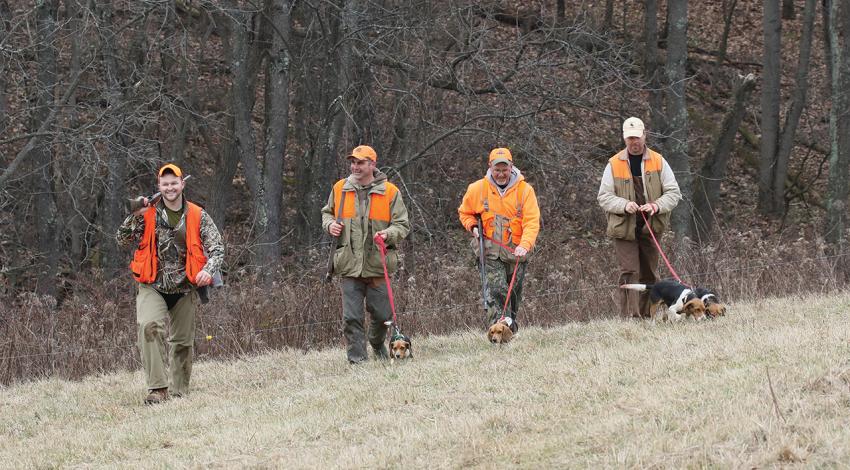
For some 25 years, I raised beagles for hunting cottontail rabbits. Reluctantly, I gave it up about a decade ago when my oldest dog died. What I miss most about the sport is the sound of the chase.
Hunters call it hound music.
My longtime friend and fellow outdoors writer Mike Tontimonia is another who knows the sound well. A member of Carroll Electric Cooperative in eastern Ohio, Tontimonia estimates he’s owned 150 beagles during his lifetime — both hunters and field-trialers — with as many as 20 dogs in his kennel at any one time.
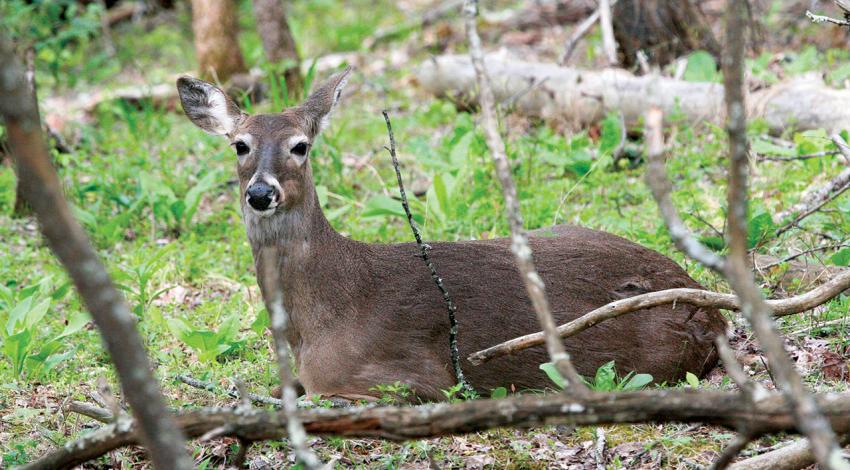
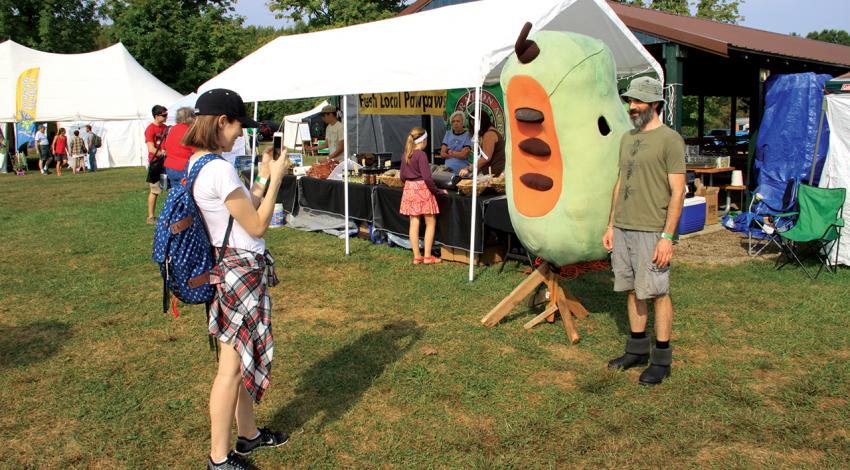
Chilled, it was President George Washington’s favorite dessert. Today, rural folk throughout the eastern U.S. hunt this delectable wild fruit each fall, keeping their favorite pawpaw patch as secret as they would their best spring morel mushroom woods.
Chris Chmiel first became interested in pawpaws while in college at Ohio University. “I like to hike, and I began noticing pawpaws on the ground in the woods, just rotting, going to waste,” he says.
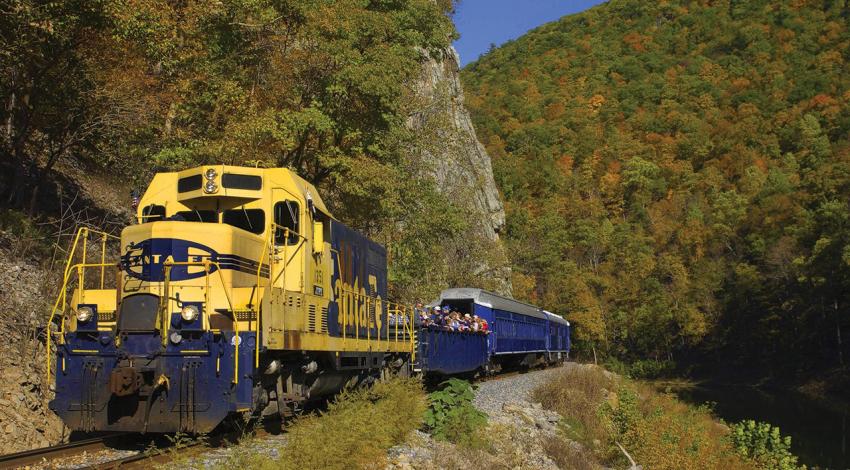
If a leisurely, relaxing train ride, combined with watching wildlife — particularly bald eagles — sounds like fun, you might want to head east to Romney, West Virginia, where, in the spring, summer and fall each year, the trains of the Potomac Eagle Scenic Railroad leave Wappocomo Station for a three-hour, 35-mile round-trip deep into the mountains.
The tracks parallel the south fork of the Potomac River, and the highlight of the trip is a wild stretch of stream where eagles soar.