farming

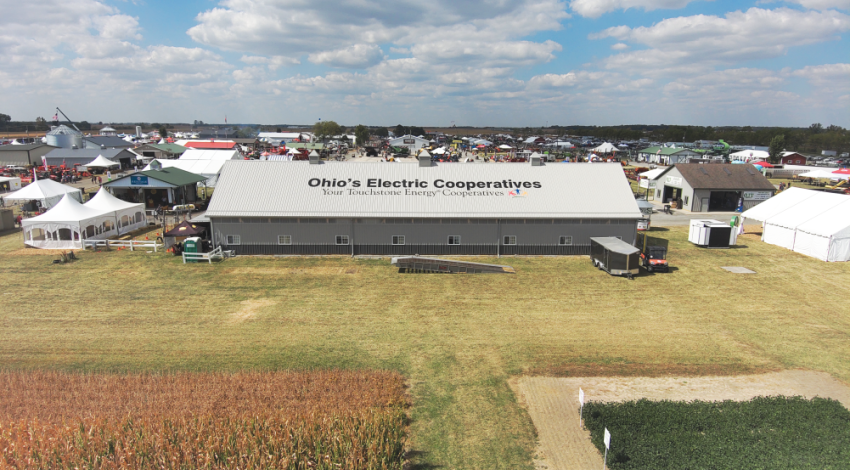
Ohio's Electric Cooperatives building at Farm Science Review in London, Ohio

Farm Science Review isn’t just for farmers. Sure, the annual event offers hundreds of demonstration plots, millions of dollars of new farming equipment, and emerging tools and technology geared to professionals.

Farmers are the backbone of many electric cooperatives, and Ohio’s electric cooperatives are proud to play a role each year at Farm Science Review. Looming large on Wheat Street, the co-ops’ building showcases energy efficiency, cooperative information, youth programs, and fan-favorite free popcorn. Inside the building, cooperative energy advisors are available to answer questions about saving energy, and visitors can test their knowledge to win prizes. Outside, lineworkers perform periodic live-line safety demonstrations, conveying potentially life-saving tips.

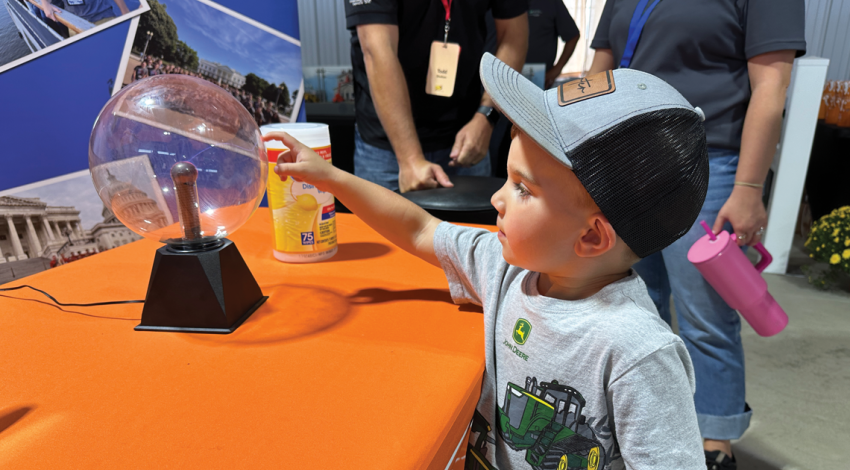
A little boy playing with an electric globe on a table

The turn toward fall is a welcome reminder that, even in times of uncertainty, life keeps moving in familiar and welcome ways. School is beginning again, football season is getting underway, farmers are planning for the fall harvest, and those of us who golf keep trying to squeeze in that one more round before the weather freezes us out.

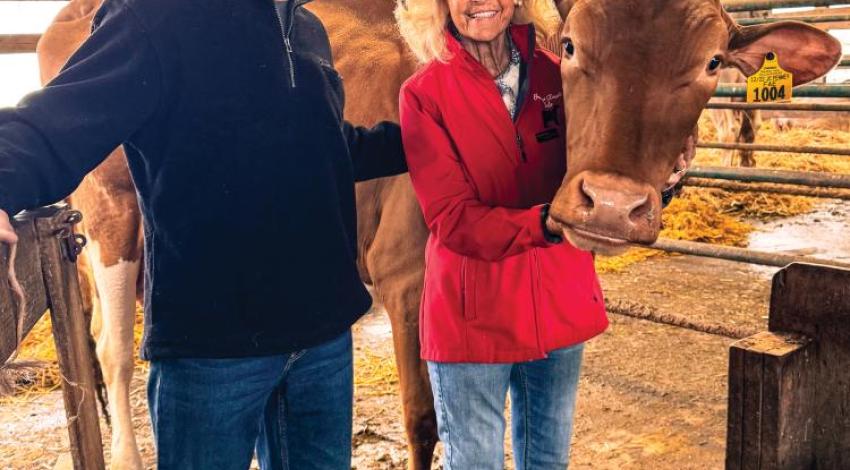
A man and woman posing with a dairy cow

Though they also raise corn, soybeans, and hay at Ayars Family Farm in Mechanicsburg, John and Bonnie Ayars are, at their core, dairy farmers.

But it’s not just milk or even the marketing of genetics from their purebred cattle that’s at the heart of the business. From the start, it’s the educational aspect of the farm that appealed to Bonnie and John, who are members of Piqua-based Pioneer Electric Cooperative.  Each summer, the Ayarses welcome hundreds of local elementary school students to the education center they built on the farm. Visitors get to meet and touch famous cows like Buckeye Bessie, Honeybun, and Bravo. They feed calves, try to milk a cow, and sample ice cream made on the farm.

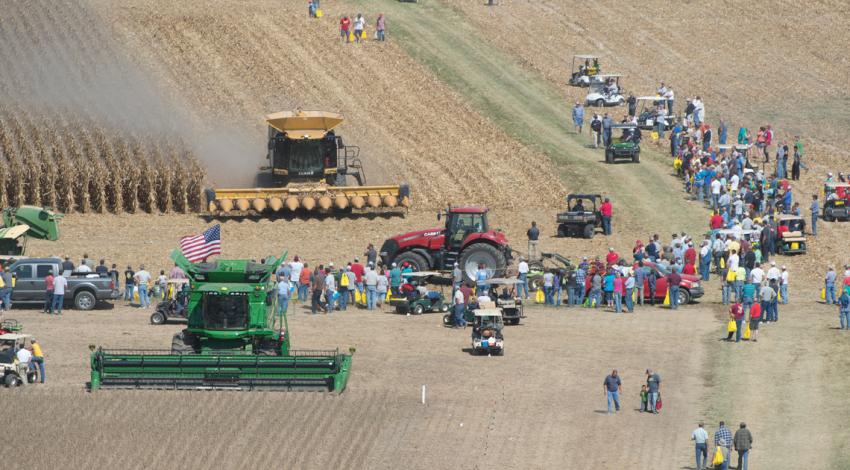
An overhead shot of tractors in a farm field surrounded by people

Farming has long been the backbone of Ohio’s economy. Even if you don’t farm today, you likely have friends or family who do, or ancestors who once did. 

Ohio’s electric cooperatives have a long history with the farming community. Years ago, rural residents (many of them farmers) worked together to bring electricity to their homes and towns, changing life in the countryside forever. 

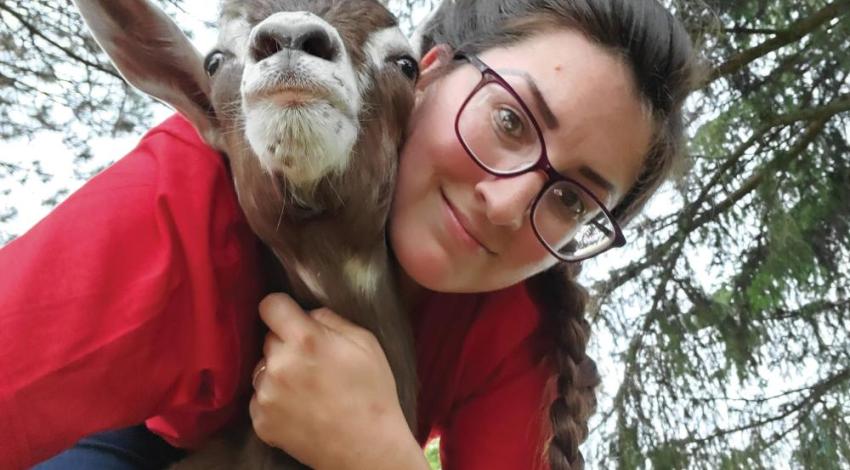
Rachel LaRue and one of her Toggenburg goats

Rachel LaRue grew up in the suburbs of Columbus, an area not generally thought of as “farm country.” Despite that, she says, she was involved in 4-H and “I always wanted to have a homestead with animals.”

That organization, based in Pittsboro, North Carolina, keeps track of rare breeds of sheep, horses, cattle, chickens, and other types of livestock — researching populations of dozens of breeds and rating their viability from “critical” (fewer than 100 annual U.S. registrations) to “recovering” (over 2,500 annual U.S. registrations, but still in need of monitoring).

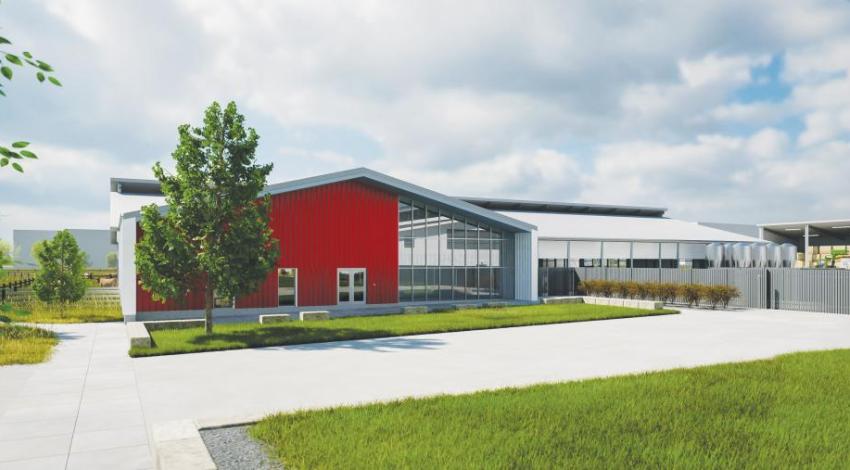
Ohio State University's new dairy facility

Ohio State University’s herd of Jersey dairy cows will soon have a permanent new home. The cows, currently in temporary housing at OSU’s Wooster campus, should be back in Columbus in a new $6.2 million facility by the end of the year.

The dairy’s prime location just off of Lane Avenue, near the main entrance to the Columbus campus, reinforces the importance of agriculture to the university and the state, says Maurice Eastridge, senior associate chair of animal sciences and dairy extension specialist at Ohio State, and the new dairy was designed with education of students as the top priority. “Public education and research needs are its second and third missions,” Eastridge says.

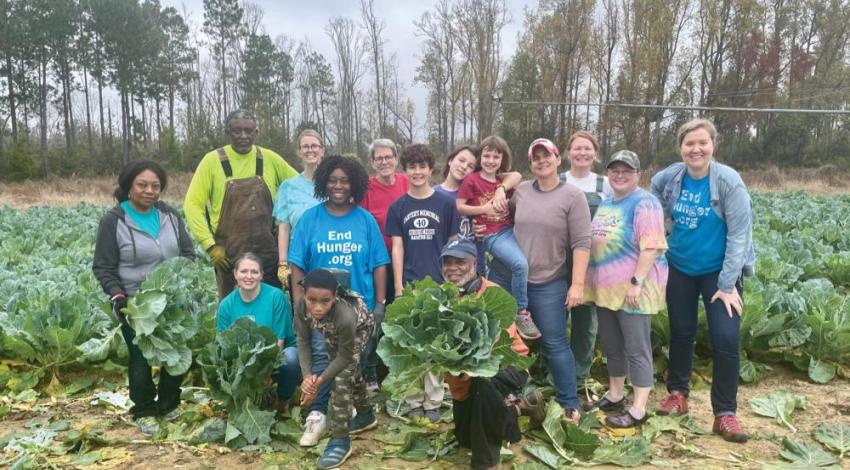
Volunteers from the Society of St. Andrew in Ohio.

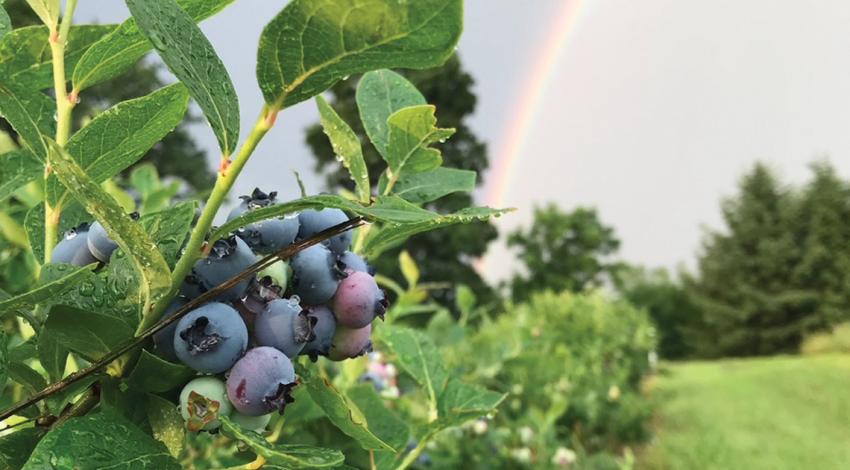
It’s a good kind of problem for farmers to have: After an unexpectedly seasonable winter and growing season, the Champaign Berry Farm in Urbana produced an unexpected bumper crop of one of its mainstays this year. 

“We saved a certain section of the orchard for the gleaners,” she says. “I told the [professional] pickers not to pick those peaches. We like to give back to the community and to those in need. That’s one of our purposes in life.”

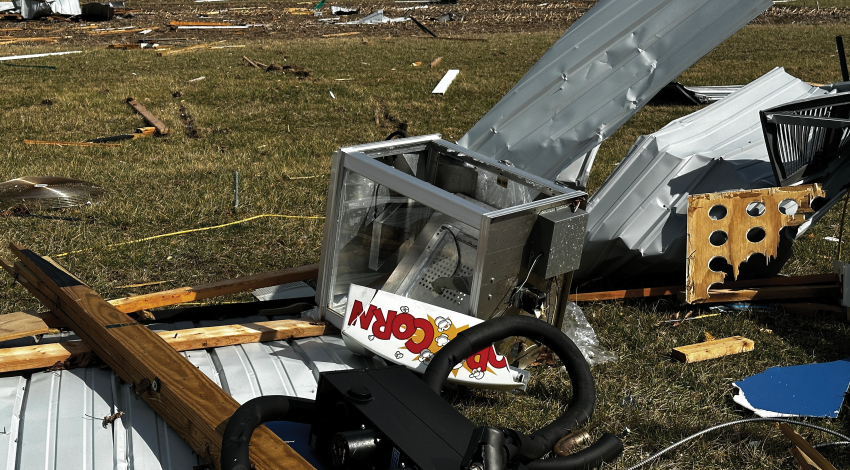
The remains of the Ohio's Electric Cooperatives Education Center after being hit by a tornado.

In the early morning hours of February 28, an EF2 tornado ripped through London, Ohio. Winds as high as 130 mph tore off roofs, snapped trees, and battered barns and outbuildings. Fortunately, no injuries were reported.

While Willie won’t be resurrected, the Ohio’s Electric Cooperatives Education Center — free popcorn and all — will be back, joining hundreds of farm-focused exhibitors September 17 to 19 for the 2024 Farm Science Review.

“It may look a bit different, but we’ll be there,” says Missy Kidwell, manager of cooperative development for Ohio’s Electric Cooperatives, noting that a new building, still under construction as of early August, was expected to be finished and ready to go in time.

The historic Smiley Farm.

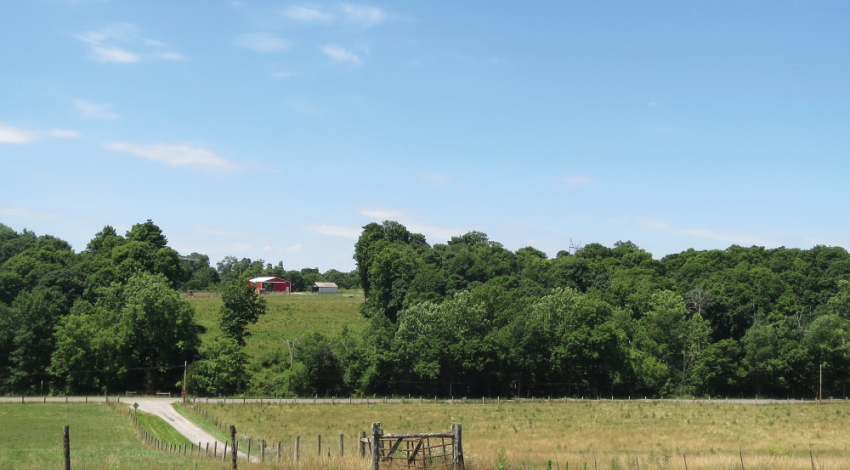
In 1772, four years before the start of the revolution that wrested control of the colonies from Great Britain, the British king, George III, gave hundreds of acres of land in what was then the Colony of Virginia to an Englishman named Alexander Smiley, for the purpose of f

Smiley, with help from the eighth and ninth generations of Smiley farmers — his son, James, and two grandsons, John and Alexander — raises corn, soybeans, hay, and Charolais beef cattle on 100 acres of the original Smiley farm, plus additional farmland they either own or lease.  

“The deed from King George was for at least 500 acres, but might have been for more than 1,000 acres,” John says. “We’re just not sure because parts of it were parceled off when people got married, and lots of the property records were destroyed in a courthouse fire.”