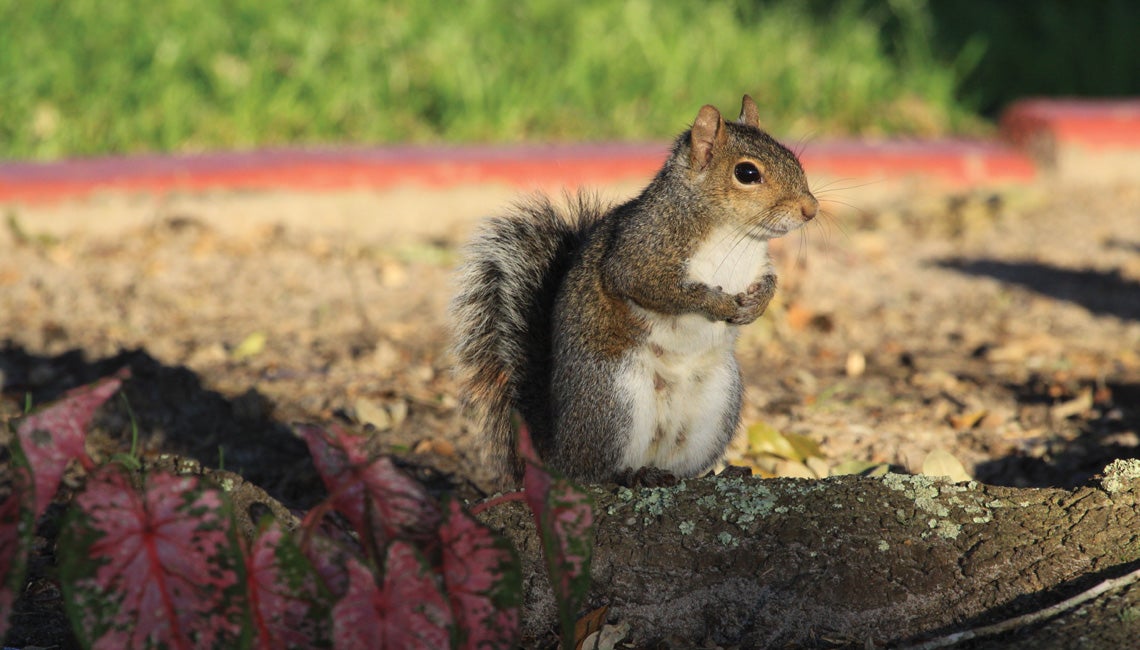
Gray squirrels are the bane of those of us who attempt to keep backyard bird feeders filled with birdseed. In large cities, small towns, and even rural areas across the Buckeye State, these arboreal aerialists seem to defy gravity in getting to places we don’t want them to be. But there was a time in Ohio history when gray squirrel populations were even higher than today — much higher.
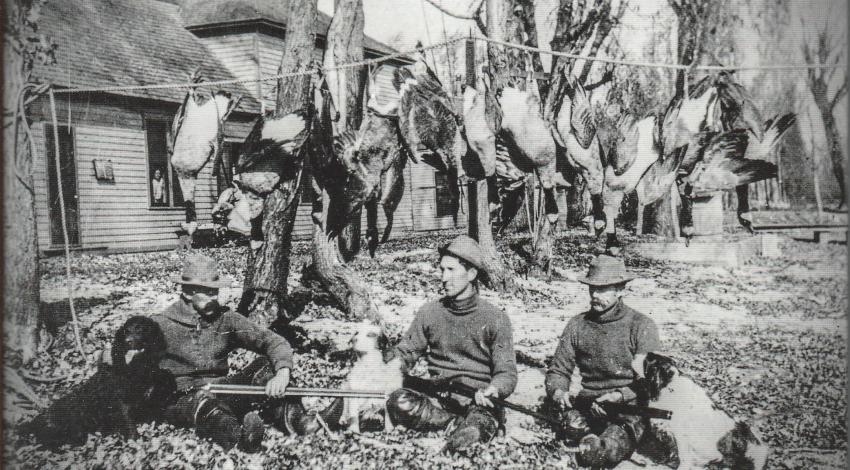
Prior to statehood in 1803, Ohio was covered with mature forest from north to south and east to west. Add in various species of nut trees — oaks, hickories, chestnuts — and this vast area was gray squirrel paradise; they thrived in untold millions.
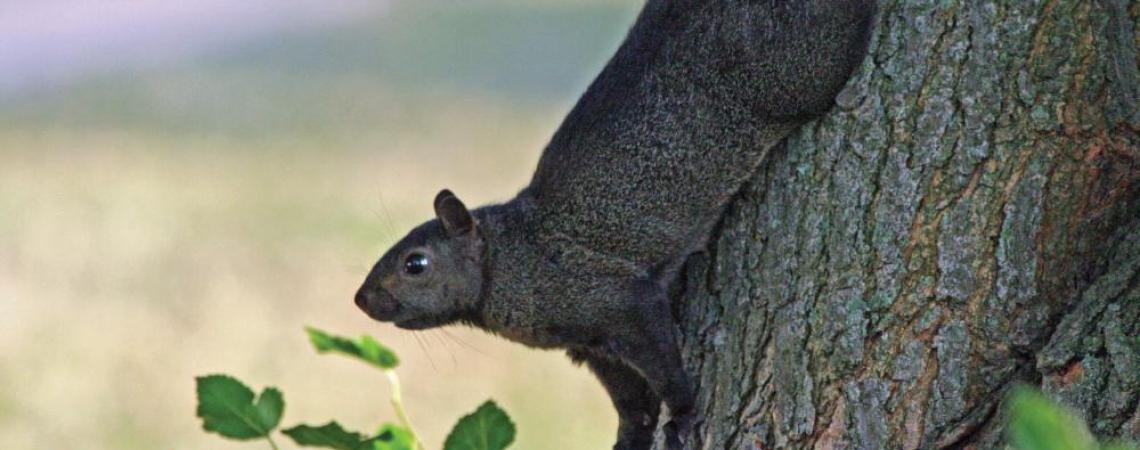
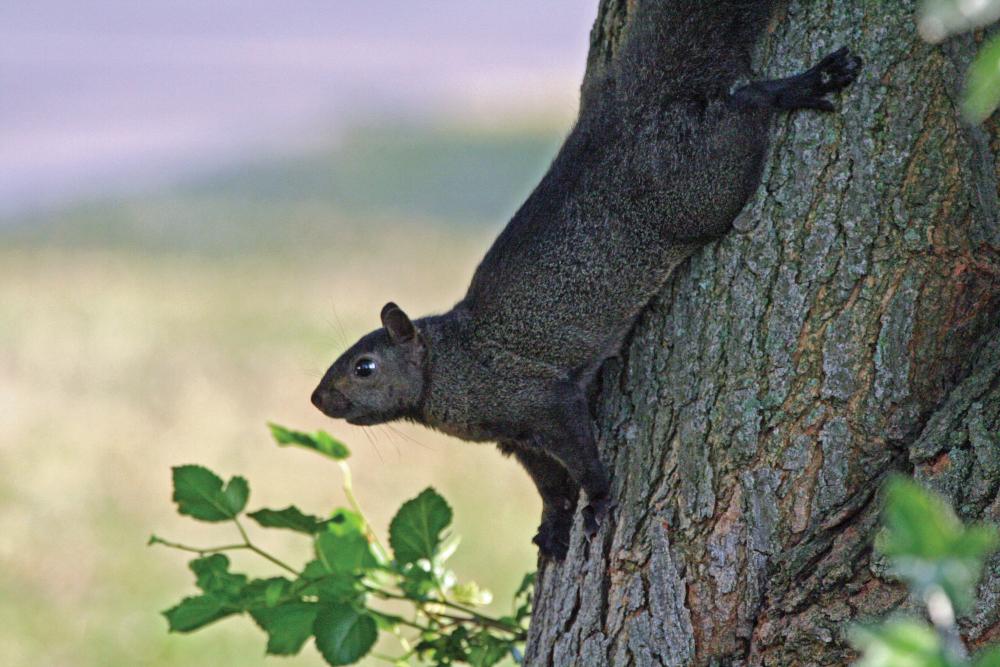
Black squirrels are a color phase of the gray squirrel.
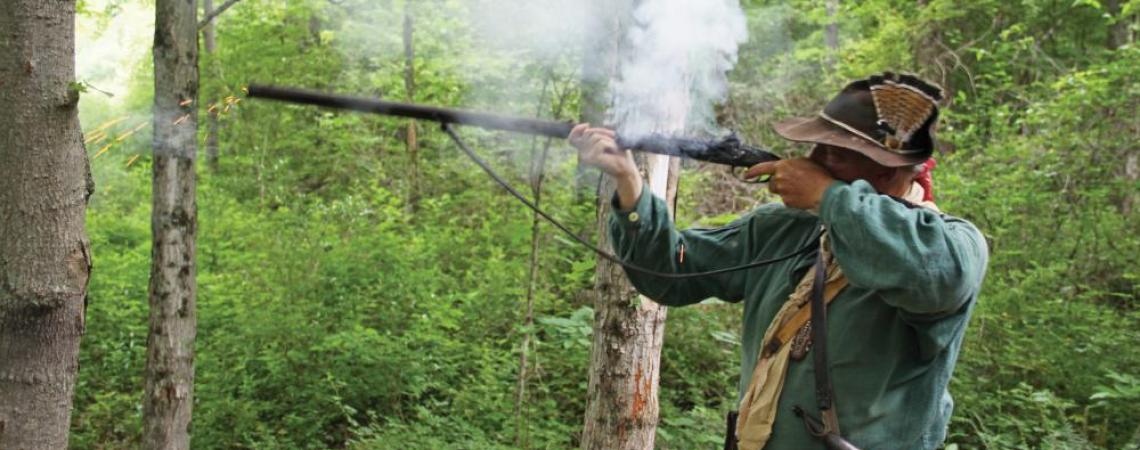
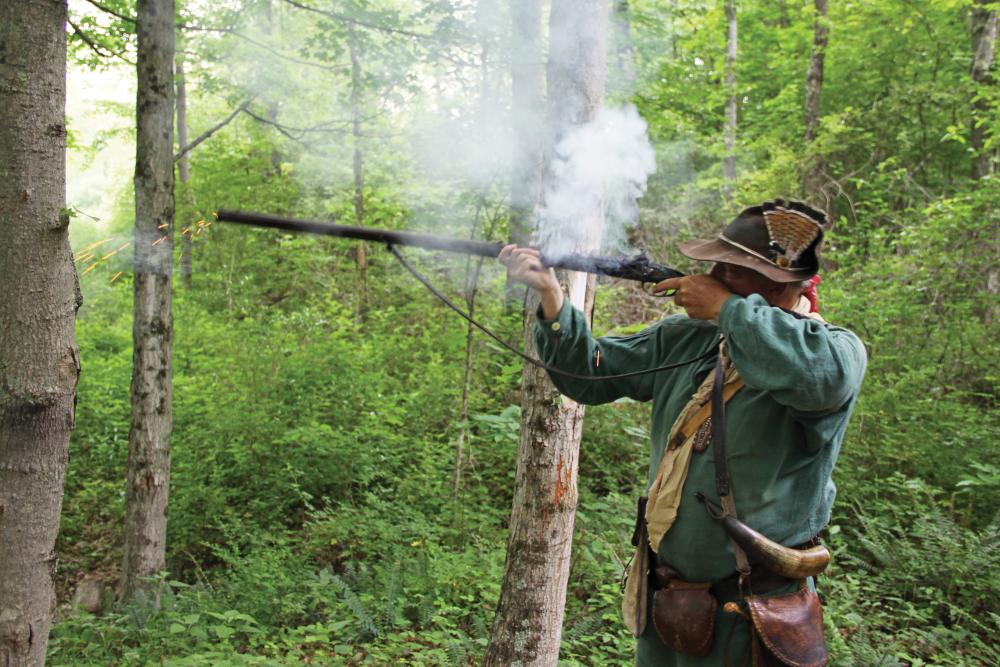
For instance, a very early Columbus resident and hunter shot 67 gray squirrels in one day from just one tree in the middle of a cornfield on what today is the Statehouse lawn. In 1807, gray squirrels had become such a nuisance due to destroying corn and other crops that the Ohio General Assembly passed a law stating that each person subject to payment of a county tax “…shall in addition thereto, produce to the clerk of the township in which he may reside, such number of squirrel scalps as the trustees shall, at their annual meeting, apportion, in proportion to their county levees, provided that it does not exceed 100 or be less than ten.”
In addition to high squirrel numbers — or possibly because of it — an even more amazing phenomenon occurred during those early years that we no longer see today: mass gray squirrel migrations. It seemed to happen every five years or so. A few restless squirrels would begin moving together through the treetops, soon to be joined by dozens more, then hundreds, then thousands, then tens of thousands, with all the squirrels continually moving rapidly in the same general direction. Even when the squirrels encountered a large stream or river, they didn’t hesitate; they just jumped in, began swimming, and once on the other side simply crawled out, climbed a tree, and kept going.
Early Ohioans who observed these gray squirrel migrations firsthand reported that the squirrels did not appear to be starving or in poor health. In fact, they oftentimes left areas of abundant food. Milton Trautman, a well-respected Ohio biologist of the 20th century, wrote the following: “The [scientific] literature contains many diverse statements about these movements, of many squirrels that drowned attempting to swim across the Ohio River. It is stated that whenever mass drownings occurred, if one stood on a high hill considerably removed from the river, the river’s course could be observed to be outlined by vultures flying above it, searching for drowned squirrels upon which to feed.”
So, why did gray squirrels occasionally move to new locations? Unfortunately, wildlife biologists today simply do not know. What we do know, however, is that as Ohio’s virgin forests were cleared for settlement, and the gray squirrel population declined as a result, their periodic migrations gradually declined as well, until eventually stopping altogether.
Of course, more than a few tall tales grew up around squirrel migrations, especially having to do with how they crossed rivers. The “tallest” of the stories stated that some gray squirrels, upon reaching the Ohio River and seeing its huge size and powerful current, would grab a shingle from a pile of wood meant for the roof of a nearby log cabin, place it in the water, jump aboard, then lift and spread their tail to act as a sail, and cross the river to the Kentucky or West Virginia bank, arriving high and dry.
I seriously doubt that ever happened.