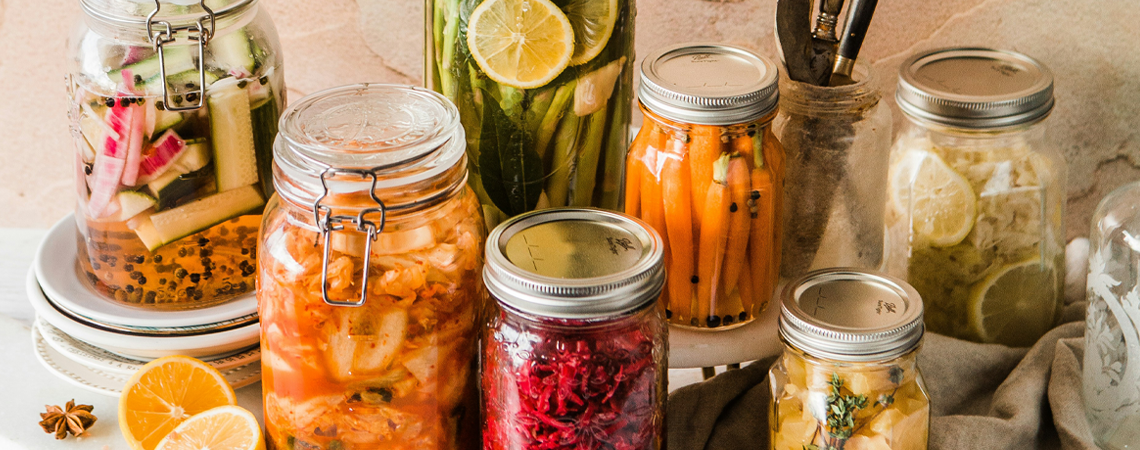
Here’s how to store and use that last bounty of the season from your garden.
The chill in the air every fall signals the end of harvest season, but enjoying your homegrown bounty doesn’t have to stop when the weather changes. There are lots of different ways to preserve all that produce so you can enjoy your garden goodies all the way through the end of the year and turn your cornucopia of crops into delightful dishes for the holidays.
Dry storage
Dry storage is a method of preserving produce in a low-humidity, well-ventilated area such as a basement. Many storage crops, including some root vegetables, do well in dry storage. “White and sweet potatoes, carrots, onions, garlic, pumpkins, and squash (like butternut and acorn) have the longest shelf life,” says Kate Shumaker, an extension educator at Ohio State University. Shelf life can range from a few weeks to several months, depending on the crop and conditions.
Start by picking out vegetables free of blemishes and defects. “Brush off loose soil instead of washing the vegetables, as excess moisture can encourage rot,” Shumaker says. “Pumpkins, squash, onions, and potatoes should be cured before going into storage,” she adds. Curing, a process that toughens vegetable skins to extend storage life, involves spreading out vegetables in a warm, dry environment with consistent airflow for several days to a few weeks, depending on the crop. After curing, move the crops to a dark, cool place and check them weekly to remove anything with signs of decay.
Freezing
For beginners, freezing is often the first preservation method to try. Nicole Arnold, assistant professor and food safety specialist at Ohio State, says it’s one of the easiest, too. “Freezing is a convenient and often underutilized method of food preservation,” she says. Blanched green beans, corn, dried herbs, and even shredded zucchini can all be frozen in small batches with little equipment. “Fruits should be stored based on the intended use of the fruit. Dry packing is good for fruits that taste good without sugar. Syrup packing is an option to maintain a fruit’s flavor, color, and shape.”
Canning
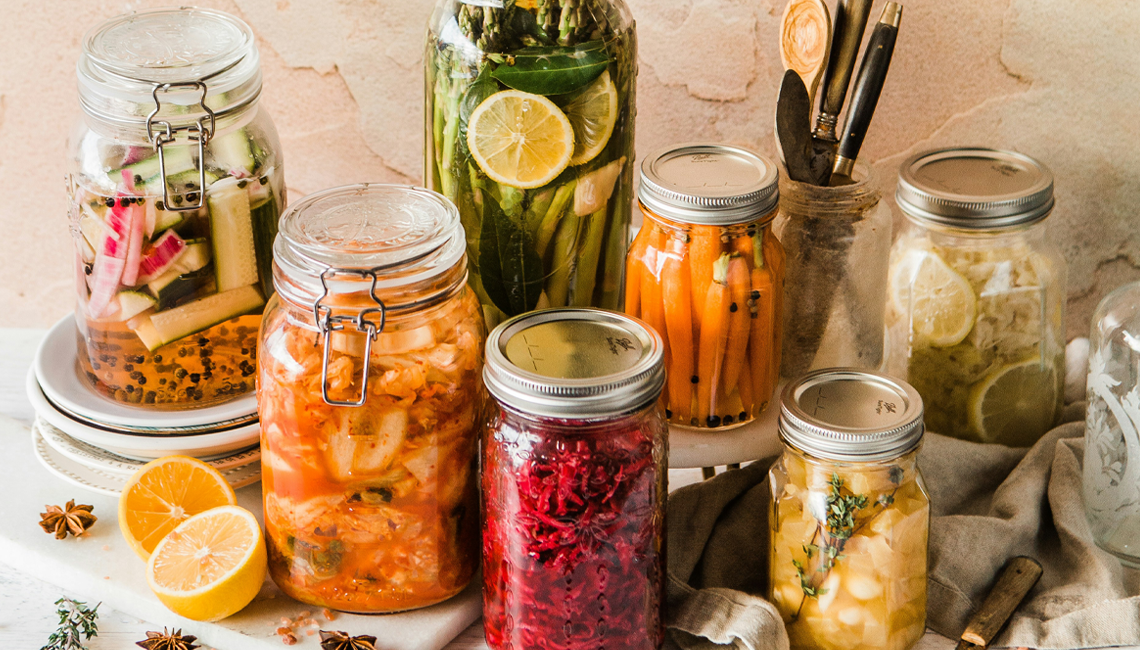
Home canning is another way to preserve your garden’s yields. This approach uses heat processing and a proper seal to make food safe for shelf storage. Certain crops require different methods of canning: Low-acid foods such as vegetables require pressure canning to prevent botulism, while high-acid foods such as fruit can be preserved by using a boiling water bath canner. When canning, it is best to stick to tried-and-true recipes, as canning methods and equipment have changed over the years.
Garden produce from the summer can shine beautifully on your winter holiday table. Roasted winter squash, glazed carrots, mashed potatoes, baked sweet potatoes, and caramelized onions all bring harvest sparkle and flavor to November and December meals.
Interested in learning more about food preservation? Ohio State University Extension’s Food Preservation Team has free resources online at https://fcs.osu.edu/programs/healthy-people/food-preservation.