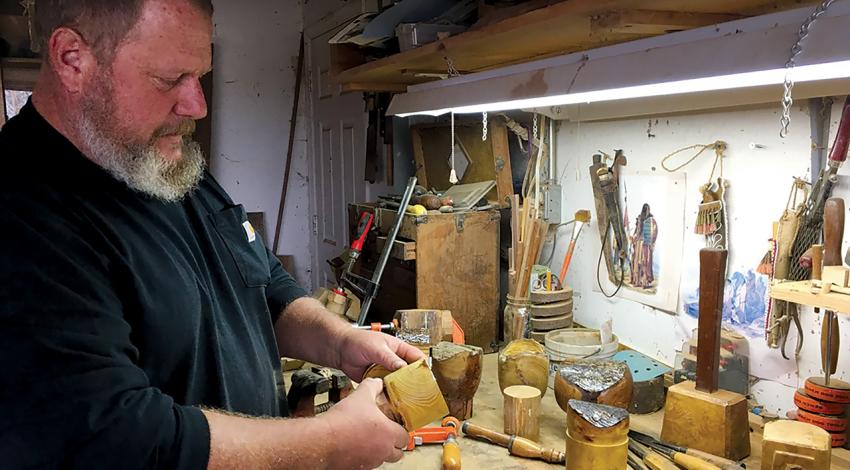

Every June for the past 39 years, high school students from co-op families have attended the Electric Cooperatives Youth Tour — a weeklong leadership experience in Washington, D.C., sponsored by their co-op. Youth Tour is an experience unlike any other — full of fun, friends, and memories that last a lifetime.
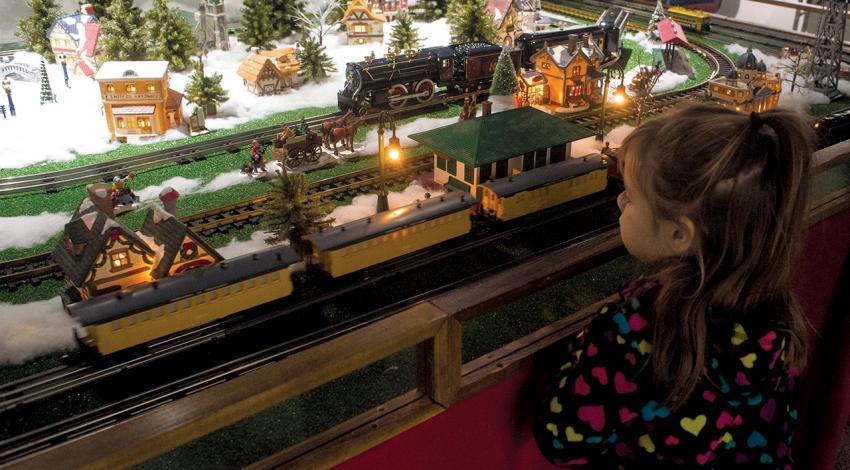

When a water heater reaches a certain age, it can be easy to assume it’s living on borrowed time. It’s hard to say how long your water heater will last. Certified home inspectors estimate the life span to be about 10 years. Some manufacturers suggest 12 to 13 years, but it’s not unheard of for a water tank to last more than 40 years before the heating element finally gives out. That said, it’s wise to replace a water heater before it fails, because that failure can cause a lot of damage.
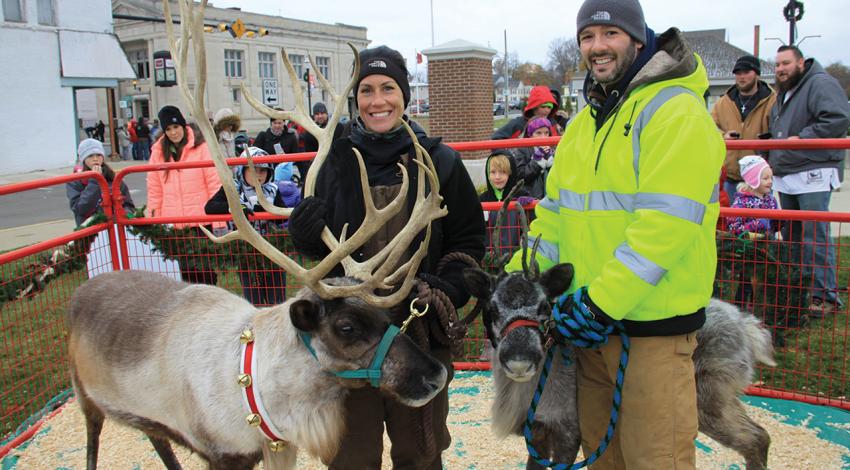
By far, the question Kevin and Debbie Kleer hear most this time of year is, “Can reindeer really fly?”
The Kleers run Kleerview Farm near Bellville, Ohio, in southern Richland County, and kids are there with their parents mostly to pick out a Christmas tree and see Santa. The real attraction, however, is the Kleers’ small herd of nine live reindeer — Blitzen, Noel, Belle, Nicholas, Crystal, Jingles, Clarice, Felice, and Cherry — which obviously prompts lots of questions, from both kids and adults.

This time of year finds many of us looking to brighten up the cold and gloomy days of winter. And there’s no better way to jump-start spring than with flowering branches from your garden or yard. With just a little coaxing, you can fill your indoors with a profusion of colorful blooms by forcing spring-flowering branches to bloom weeks ahead of schedule.

Keith Taylor epitomizes a jolly calm when he ushers his guest into the White Pillars Christmas House before hours on an early fall morning. With Christmas still three months away, he and his wife, Yolanda, are preparing for the seasonal rush, confident that what they have to offer not only competes with, but surpasses, what one may obtain in a sterile online transaction.


Electric co-ops were established to provide electricity to people living in rural communities. Folks in rural America had been mostly ignored by electric companies that didn’t see enough potential profit to run electric lines into the country. In the 1930s, a public-private partnership was forged to provide the large capital investments needed to build and operate rural electric systems.