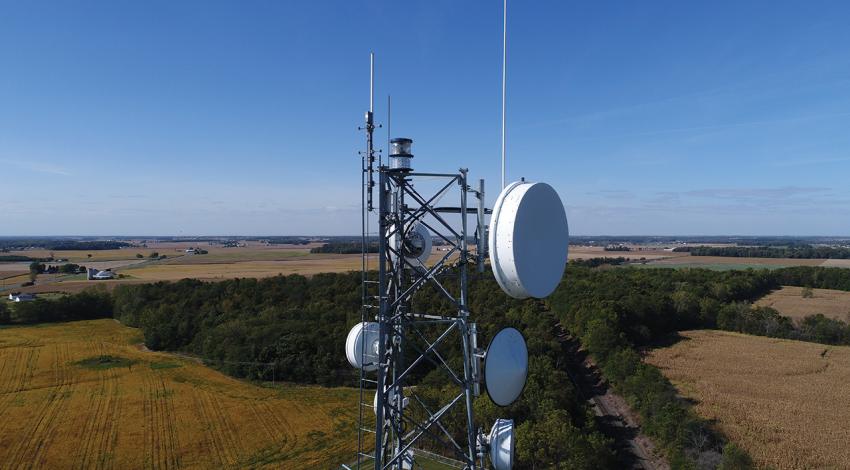
There is a 140-foot-tall communications tower positioned at Mid-Ohio Energy Cooperative’s substation in Ada that’s vital to the co-op’s mission to provide reliable electric service to its more than 8,000 owner-members.
At the top are two radios that are part of Mid-Ohio Energy’s microwave communications network — one that communicates with another substation, and another that points back to the co-op office in Kenton — and unless both are working, the co-op would have difficulty communicating with critical systems at several substations.
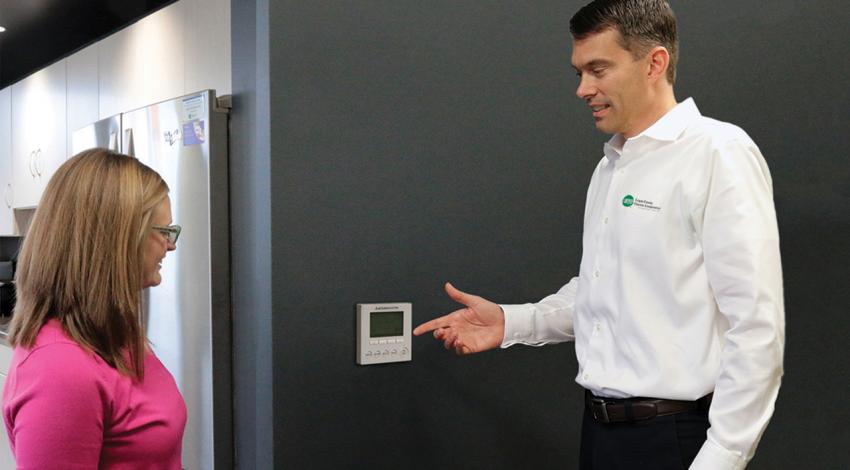
If you still have an old dial thermostat controlling the temperature in your home, you might take note of new technology available that lets thermostats do things they never could before. That said, it’s worth asking if these new thermostats can save enough money to justify the extra cost.
There are three main types of thermostats: manual, programmable, or smart.
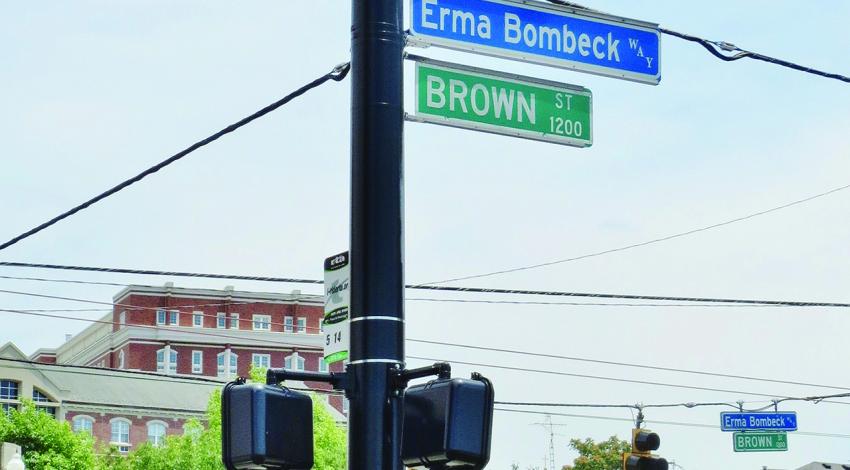
Long before mothers were blogging about their daily lives, Erma Bombeck’s syndicated newspaper column — “At Wit’s End” — acquired a legion of faithful followers by mixing her musings about marriage and motherhood with healthy doses of humor. Born and raised in Dayton, Erma certainly knew her subject. She and her husband, Bill, had three school-age children when, at age 37, she began writing the column on a makeshift desk in a bedroom of her suburban Centerville home.
Houseplants are a widely popular addition in many homes. For some people, though, the thought of growing a houseplant has them seeing only brown instead of green. They may think their indoor growing conditions are less than optimal, or maybe they simply think that houseplants are too fussy or take too much time.
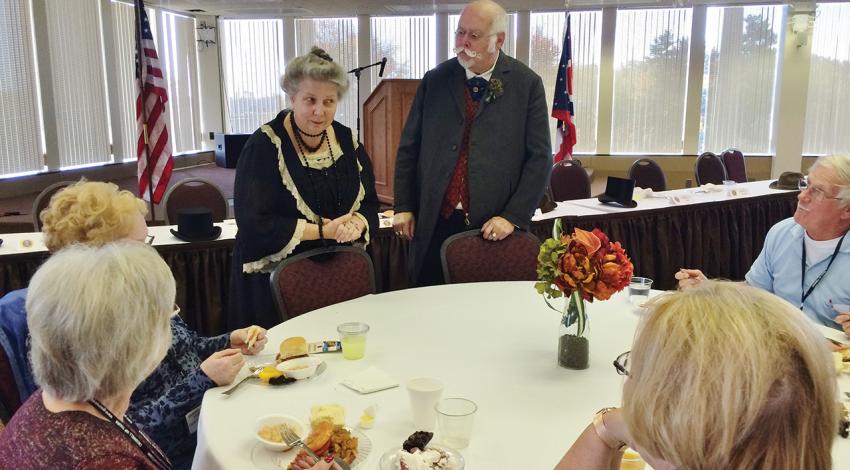
Attractions across Ohio host dining events throughout the year that feature more than just food — the guests of honor include historic figures (actors, impersonators, or simply historians with a flair for the dramatic, most with Ohio ties) and make for enriching experiences that combine a dash of education with a huge helping of dinner theater.
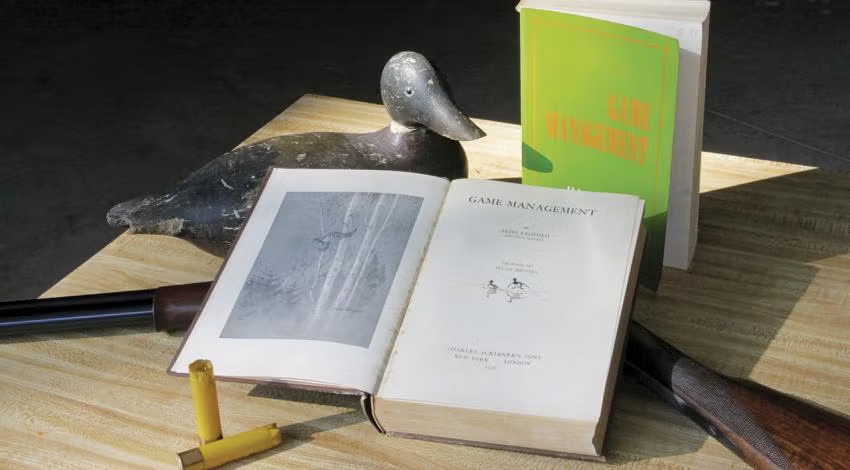
Aldo Leopold (1887-1948) is considered the father of modern-day wildlife management in North America; his 1933 book, Game Management, is a classic. I’m fortunate to own a copy of the second printing (1936) and recently wondered what it might be worth, so I contacted Jim Casada of Rock Hill, S.C., a fellow outdoors writer and an expert on collectible outdoor books.
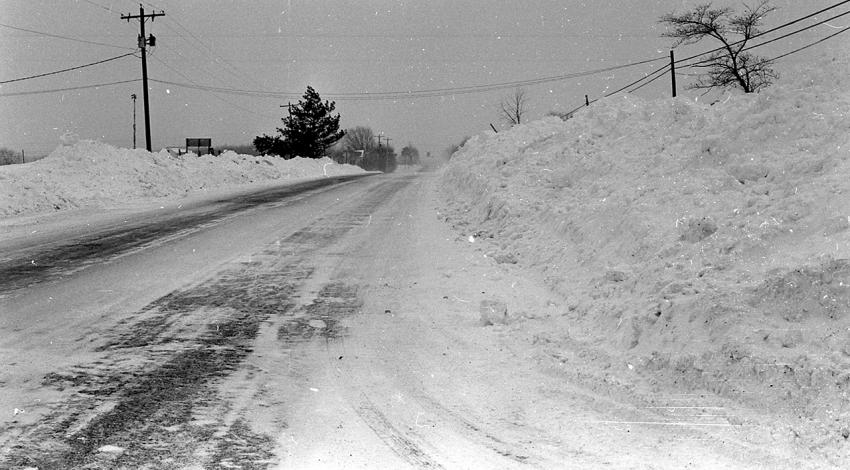
For most Ohioans, the first sign that something unusual was happening on that night 40 years ago was the shriek of a fierce, unrelenting wind.
In the late evening of Jan. 25, 1978, a low-pressure system from Canada met another low-pressure system from Texas. Such storms approach from opposite directions several times each winter, according to the National Weather Service. Usually they miss each other. This time they collided, causing what has come to be widely known as “the storm of the century.”