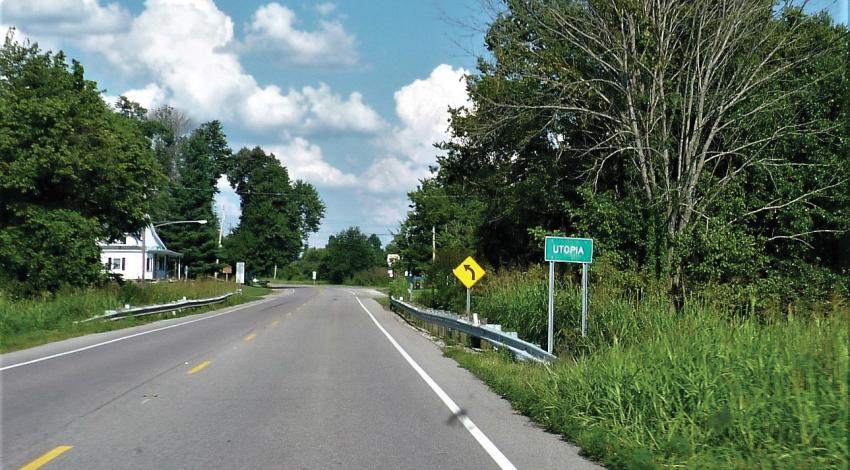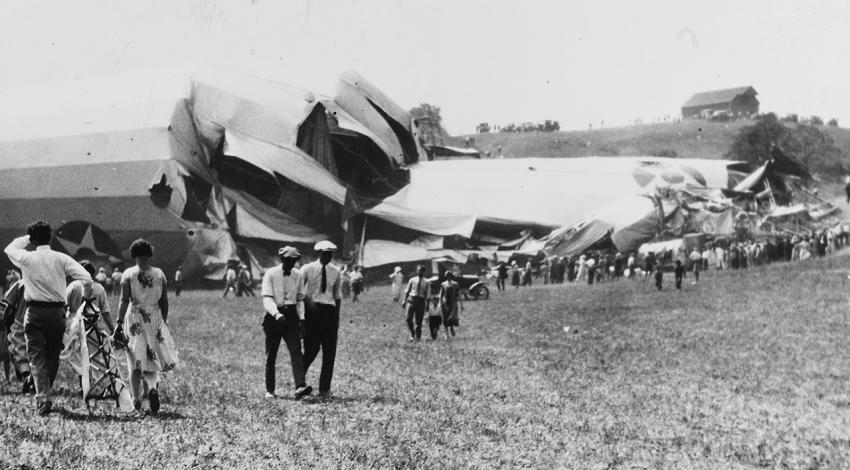
The notion seems so fanciful: A U.S. Navy ship sinks in Ohio, not in Lake Erie or the Ohio River, but over the Appalachian piedmont of Noble County. It was a rural, bucolic setting — a patchwork of woodlots and farm fields split by fence lines and hedgerows and narrow roads with curves that followed the contours of the hillsides.
And the sky! An ocean blue that seemed meant for sailing — this, after all, is not a maritime tale, but rather, an aviation story.

Kitchens and dining rooms cry out for natural light, and lots of folks consider installing skylights to bring that outside world indoors and make their living space a bit more livable.
Consumers should know, however, that skylights, even when installed properly, can impact energy bills and comfort level, so some advance research can pay real dividends.
Schools around the state are back in session, and your electric cooperative has some educational opportunities coming up as well. One of the cooperative principles that guides the actions of your co-op is Education, Training, and Information. Our national association explains the principle’s importance this way: “Education and training for members, elected representatives (directors/trustees), and employees helps them to effectively contribute to the development of their cooperatives.

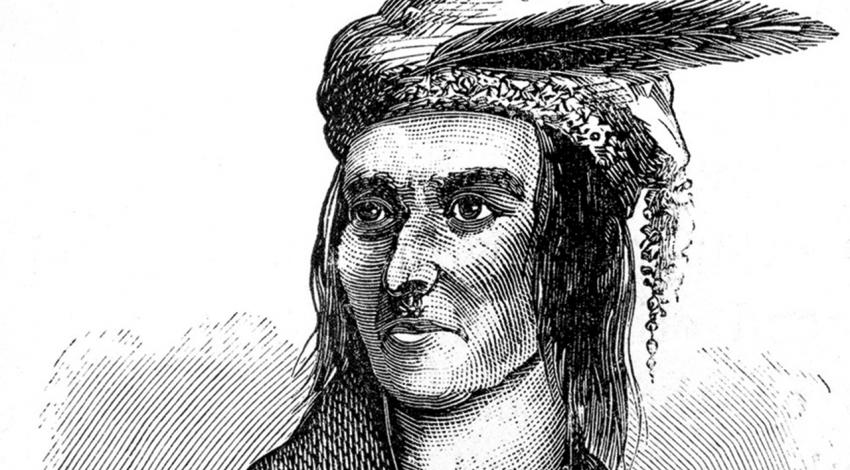
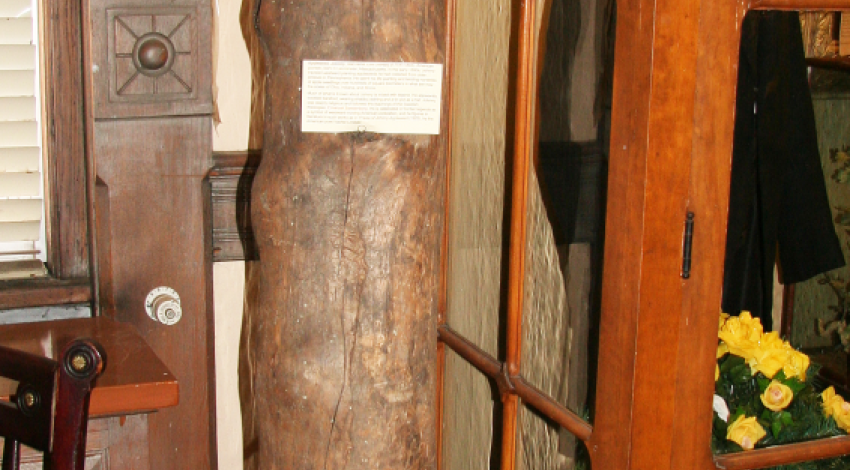
With its tattered seat and uneven slats, the ladderback chair looks rather uncomfortable, but it was pioneer James Galloway’s best chair. “Since this was the ‘guest chair,’ it’s where Tecumseh sat whenever he visited,” says Catherine Wilson, director of the Greene County Ohio Historical Society in Xenia.
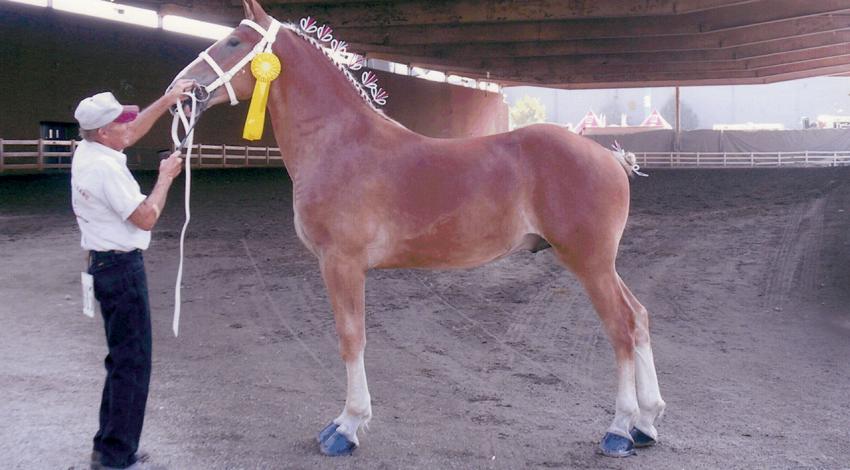
Belgians — those big draft horses with gentle dispositions — are beautiful. Just ask brothers George and Ted Barhorst of Fort Loramie. The Barhorst family was honored at the 2017 Ohio State Fair for 75 years of showing Belgian horses. Their grandfather, Bernard Barhorst, started the tradition, which continues today.
“I don’t ever remember a time when we didn’t raise, breed, and show Belgians,” Ted says. “We have 12 of them right now.”
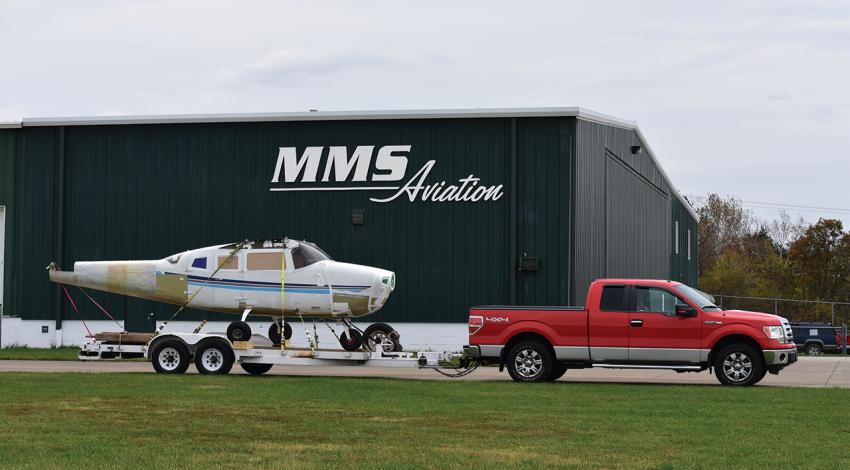
In the Christian mission field, it can be difficult, to say the least, to reach remote regions of faraway places such as Honduras, Haiti, Zambia, Papua New Guinea, or Mozambique. Aircraft play a vital role as missionaries deliver food, supplies, and the Word of God in a matter of hours or days to areas that used to require weeks to reach on foot.
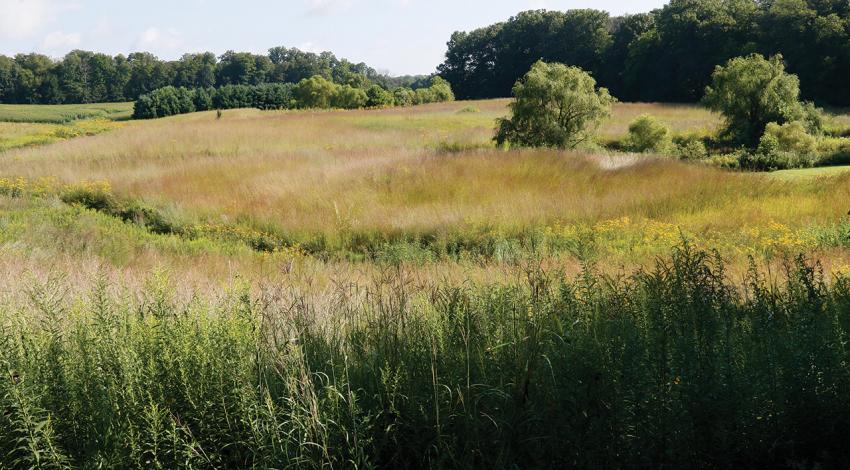
North America’s prairies once stretched from the foothills of the Rocky Mountains east into western Ohio, a staggering 1 million square miles or more of native grasslands that covered a third to nearly half of our country.
But what took millennia to develop disappeared in only half a century. The transformation began in 1833, when John Lane Sr. created the polished-steel, self-scouring plow, which could penetrate heavy prairie soils. A fellow blacksmith then improved upon Lane’s original design and marketed the new plow aggressively. That second blacksmith was John Deere.