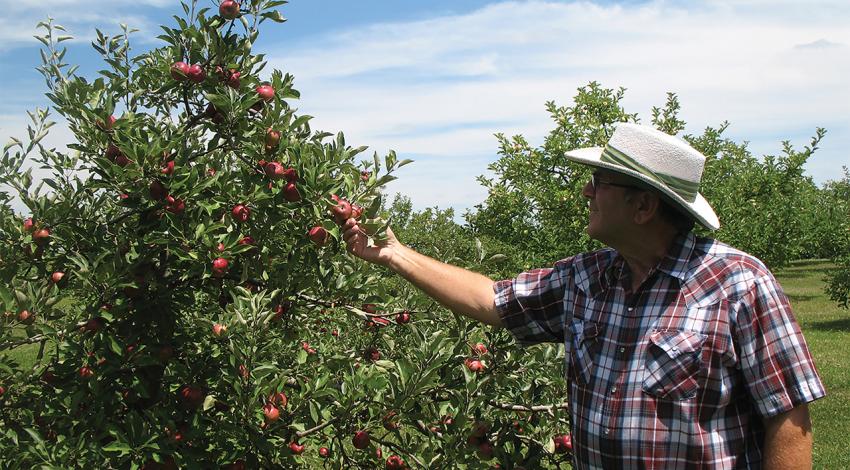
Clusters of apples begin to decorate trees in Dennis Thatcher’s orchard throughout each spring and early summer, promising the reward of sweet fruit and jugs of freshly pressed cider in the fall.
Thatcher and his wife, Angela, who reside in rural western Logan County and who are members of Logan County Electric Cooperative, established Thatcher Farm in 1972, when he planted a few apple trees. Today, the farm has more than 420 trees that produce 25 varieties.
Farm life often is seen by outsiders as slow, easy-paced, even leisurely. Actual farmers, of course, know that’s not the case, as the nearly endless to-do list almost always seems to require 26 hours in a day to complete, even at top speed.
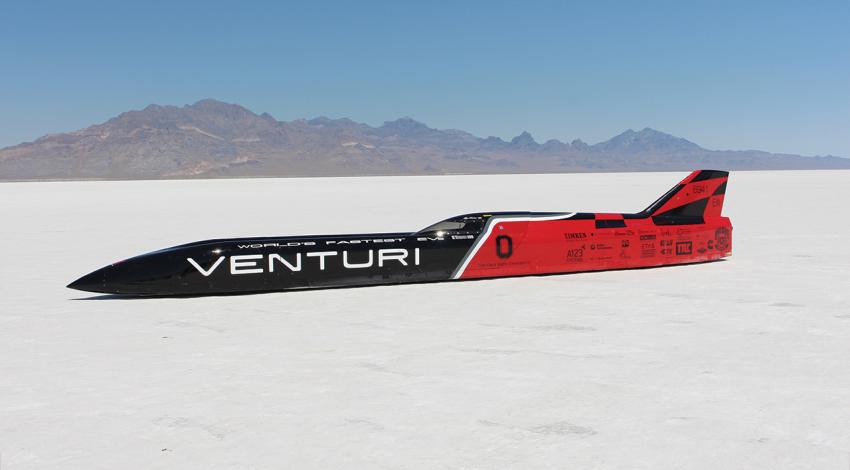
So perhaps folks will be inspired by some of the work going on at Ohio State University’s Center for Automotive Research — a piece of which will be on display in the Ohio’s Electric Cooperatives Education Center at this year’s Farm Science Review, Sept. 18–20 at the Molly Caren Agricultural Center just outside London, Ohio.
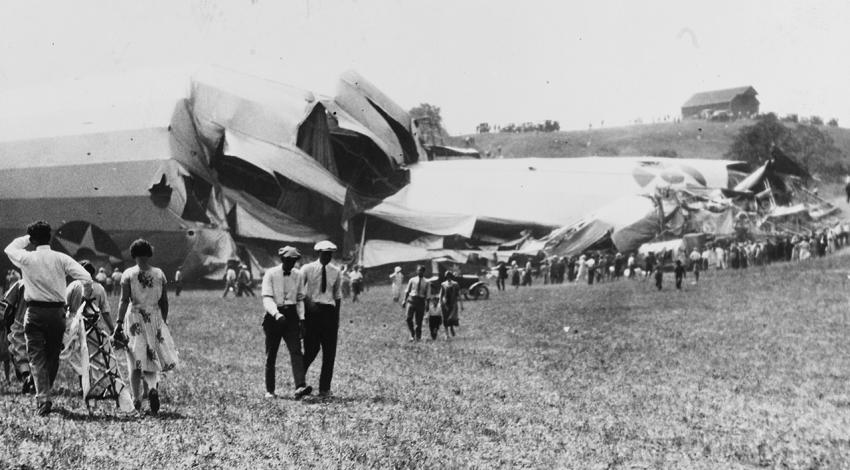
The notion seems so fanciful: A U.S. Navy ship sinks in Ohio, not in Lake Erie or the Ohio River, but over the Appalachian piedmont of Noble County. It was a rural, bucolic setting — a patchwork of woodlots and farm fields split by fence lines and hedgerows and narrow roads with curves that followed the contours of the hillsides.
And the sky! An ocean blue that seemed meant for sailing — this, after all, is not a maritime tale, but rather, an aviation story.
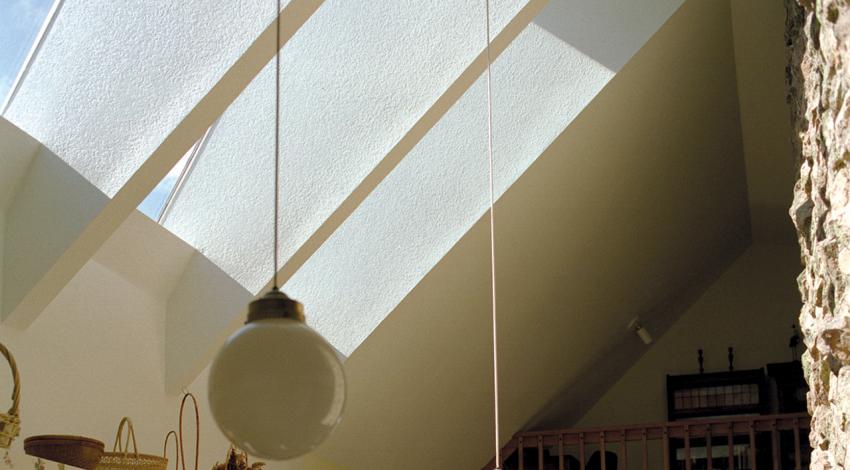
Kitchens and dining rooms cry out for natural light, and lots of folks consider installing skylights to bring that outside world indoors and make their living space a bit more livable.
Consumers should know, however, that skylights, even when installed properly, can impact energy bills and comfort level, so some advance research can pay real dividends.
Schools around the state are back in session, and your electric cooperative has some educational opportunities coming up as well. One of the cooperative principles that guides the actions of your co-op is Education, Training, and Information. Our national association explains the principle’s importance this way: “Education and training for members, elected representatives (directors/trustees), and employees helps them to effectively contribute to the development of their cooperatives.

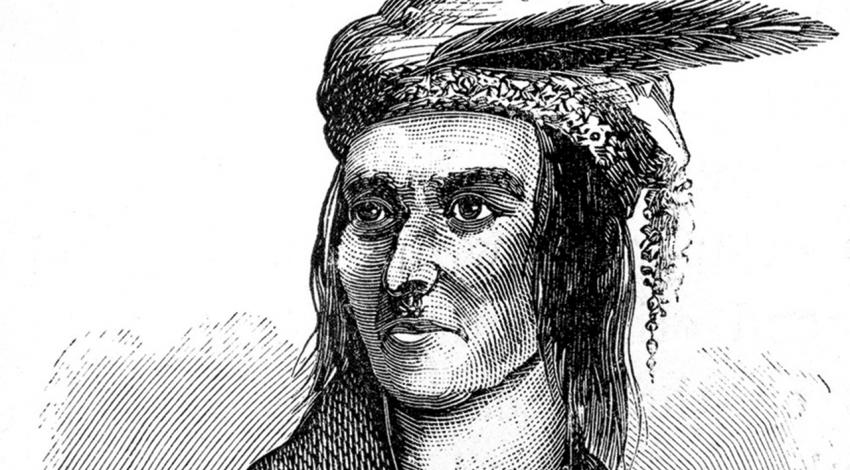
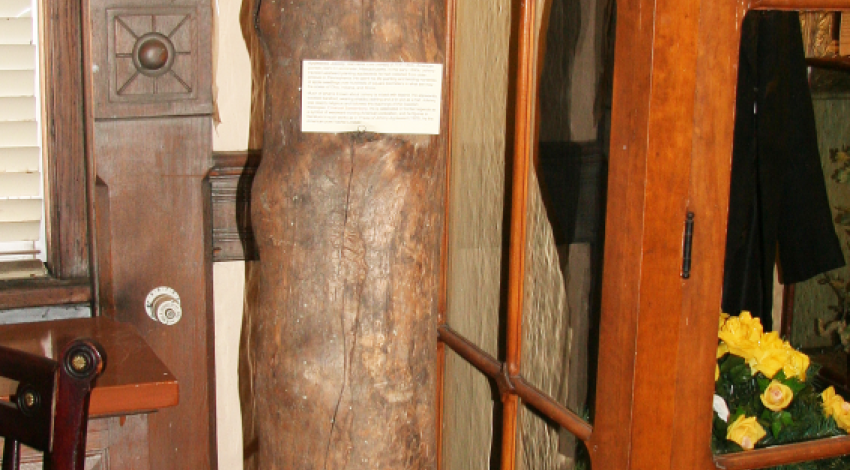
With its tattered seat and uneven slats, the ladderback chair looks rather uncomfortable, but it was pioneer James Galloway’s best chair. “Since this was the ‘guest chair,’ it’s where Tecumseh sat whenever he visited,” says Catherine Wilson, director of the Greene County Ohio Historical Society in Xenia.
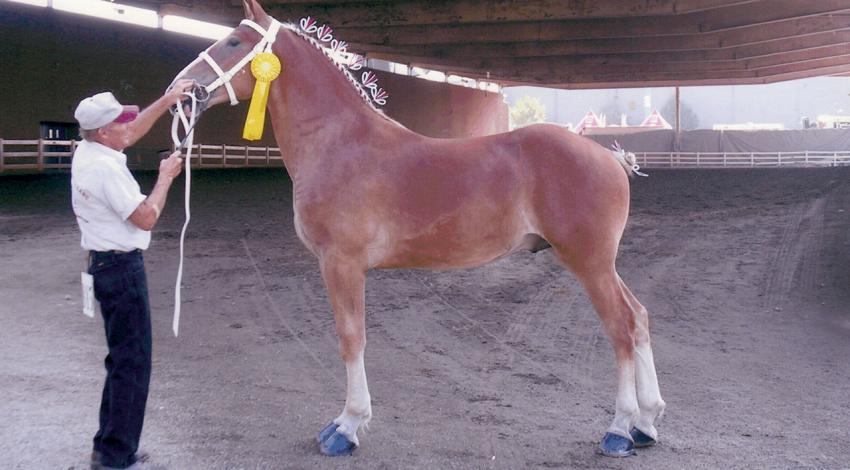
Belgians — those big draft horses with gentle dispositions — are beautiful. Just ask brothers George and Ted Barhorst of Fort Loramie. The Barhorst family was honored at the 2017 Ohio State Fair for 75 years of showing Belgian horses. Their grandfather, Bernard Barhorst, started the tradition, which continues today.
“I don’t ever remember a time when we didn’t raise, breed, and show Belgians,” Ted says. “We have 12 of them right now.”