June 2020

The outside of a grey house.

Many times, prospective homebuyers are so caught up examining other aspects of the houses they see, they don’t consider energy costs (such as electricity, gas, and propane) in their decision. They ought to, since the average home costs about $2,000 in energy expenses per year — that’s a lot of money over the life of the home.

The size of a home is one of the most important factors that will determine energy costs. As square footage increases, lighting requirements increase, and more importantly, the burden on heating and cooling equipment increases.

Teresa Harshbarger, her daughter Alexa and their puppy, Ashley, smile for a photo.

When Teresa Harshbarger and her family built their home outside of New Concord several years ago, they bought their water heater from Guernsey-Muskingum Electric Cooperative (GMEC). It came equipped with a radio-controlled switch that allows the cooperative to remotely turn off the heater to curtail electricity use during times of heavy demand. Though she says she’s sure the switch has been activated from time to time, she has never noticed when it happens.

A collection of potted herbs.

You may have room to grow culinary herbs in your garden, but a group of potted herbs growing right outside your door offers both portability and easy access to your favorite herbal seasonings in the kitchen. Growing herbs in containers also solves many gardening problems: it allows easy improvement of poor soil; curbs invasive herbs such as mint; and even spares gardeners the agony of sore knees.

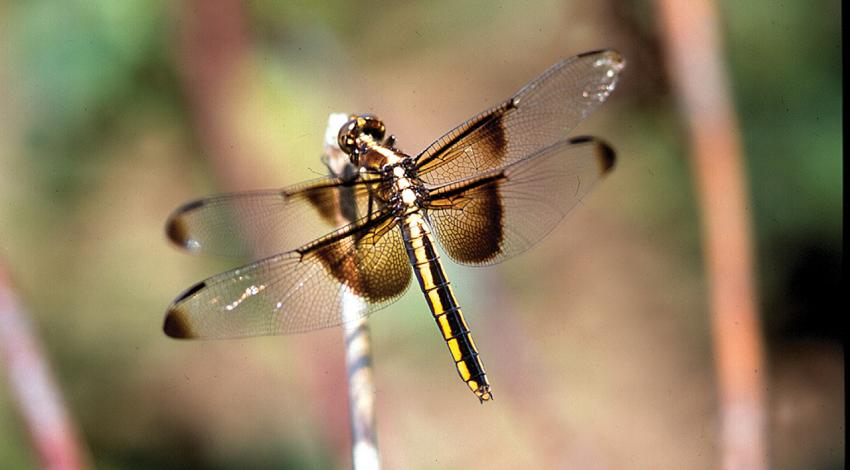
A dragonfly lands on a plant.

Dragonflies have long been considered a sign of good luck — and it seems with good reason. Much like hummingbirds, dragonflies are quite agile. They can fly both forward and backward with lightning speed, and can hover, dart, or change direction with ease. That aerial agility makes dragonflies highly efficient carnivores, with voracious appetites that help keep fly, gnat, and mosquito populations in check. They have even been known to snatch winged termites as they fly out of the ground.

Casey Longshore and his son, Landen, stand in a field beside a tractor.

Casey Longshore and his family are on a mission to improve soil quality at their Delaware County farm. Protecting drinking water by preventing runoff and nutrient losses at the farm are a high priority. In 2015, the Delaware Soil and Water Conservation District named the Longshores the Conservation Cooperators of the Year.

“We’d like not to be the bad guy,” Longshore says, referring to evidence that certain farming practices have led to water quality problems in Ohio waterways.

Rebecca and Ben Wever smile with their two sons.

Rebecca and Ben Wever, members of Marysville-based Union Rural Electric Cooperative (URE), attended their first co-op annual meeting this year, and they say it got them thinking more about the electricity they use.

Rebecca says she and Ben are keenly aware of events and factors that affect their energy bill, so the meeting was of particular interest. “My husband and I may be a little bit unusual there, but we want to protect our piece of paradise,” she says. “We always want to know why we pay what we do.”

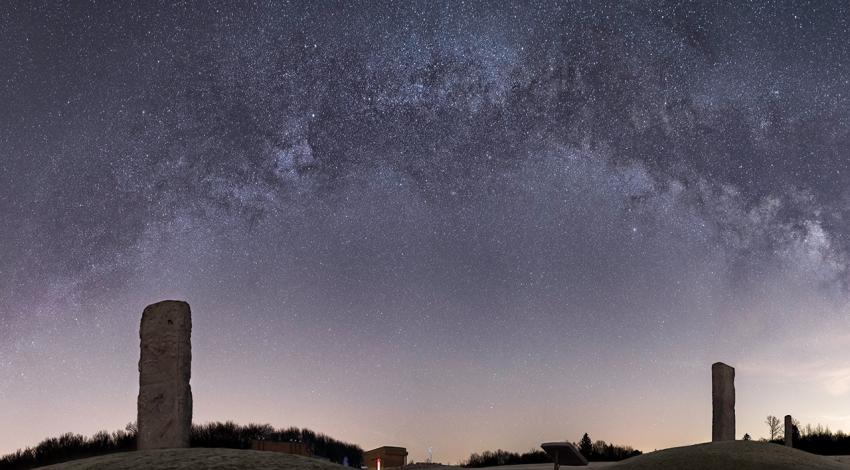
A starry sky above Observatory Park.

When Geauga Park District Naturalist Chris Mentrek is stargazing at Observatory Park, one of his favorite sights is the Summer Triangle. “The Milky Way stripe goes right through the triangle,” says Mentrek, “and Altair, Deneb, and Vega form its corners. They’re three of the brightest stars and are also points in the constellations Aquila, Cygnus, and Lyra.”