April 2020

Lisa Rigoni and Mike Rigoni

When I was younger, I was the girl who hated physical education, didn’t play sports, and ate a steady diet of junk food. Because I was young, I had no health concerns or weight issues.

My husband, Mike, a physical education teacher and a basketball coach at the time, was in a similar boat. When Mike and I met, he was active, playing softball, and later, he played men’s recreational basketball until his legs and ankles got the better of him. His weight had increased, and that led to surgeries on his knee and ankles. He was benched for a while and when he returned to the basketball court, he was overweight and run-down, often with barely enough energy to get through the day.

LMRE Growers

Just to the west of Cleveland and a little south of Lake Erie, Lorain-Medina Rural Electric Cooperative (LMRE) serves more than 16,700 consumer-members on 1,541 miles of electrical line across five counties. Hometown pride is a defining characteristic of the people in the area, who believe in bettering the community and looking out for one another. LMRE prioritizes providing opportunities for their youth.

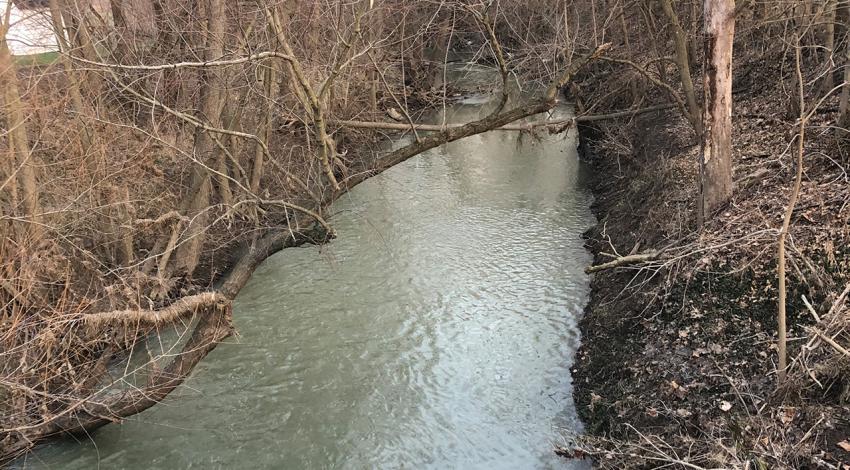
Stillwater River

Our state’s very name, translated from the language of its original inhabitants, means “Good River.” While Ohio is named specifically for the mighty waterway that forms its eastern and southern borders, that name serves as an apt description of the entire place.

Rivers, to me, are analogies of our humanity: They begin as spindly streams, unglamorous trickles, and, like people, they find their way — carving their character as they go, widening and deepening with distance. If a river can have such an ignominious beginning yet end with a glorious, glowing connection to something larger, then couldn’t that be a template for a life well-lived?

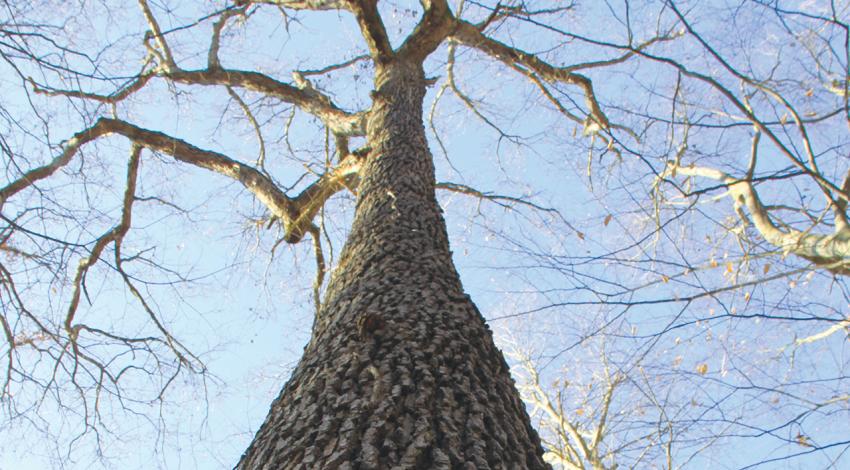
Tree Braun

I have a recurring daydream where I try to imagine what it must have been like to see the Ohio country hundreds of years ago, long before European settlement. We know that half a dozen major Indian tribes lived on the land — it would have been interesting to visit their villages and learn their way of life.

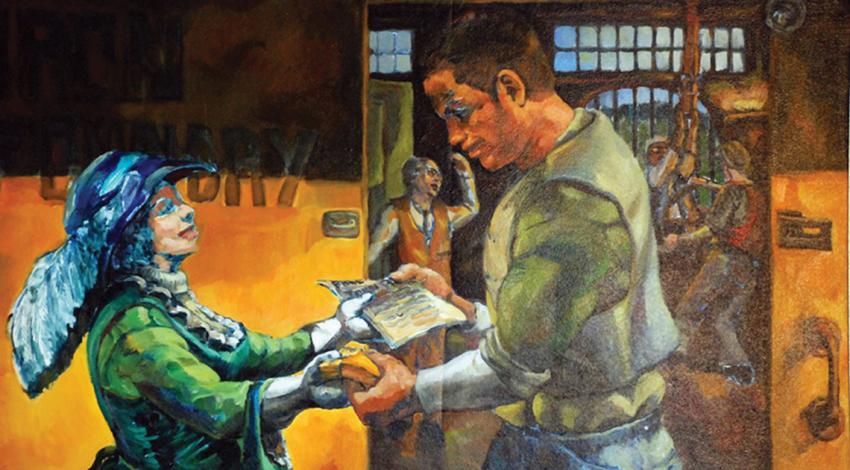
Art at John Parker House museum

When Dewey Scott retired from the hustle and bustle of Cincinnati to the peaceful hillsides surrounding Ripley — an hour to the southeast on land hugging the Ohio River — he thought he’d enjoy life without much on his to-do list.

That was more than a decade ago. Today, Scott is the manager and docent at the John Parker House museum in Ripley, armed with a knack for storytelling and a wealth of knowledge about the historic home and about Ripley’s standing as a pivotal stop on the Underground Railroad.

“You were a free person once you came into Ohio at that time,” he says. “It was known that there were free blacks living in Ripley, and fugitive slaves knew they could come here and live among them.”

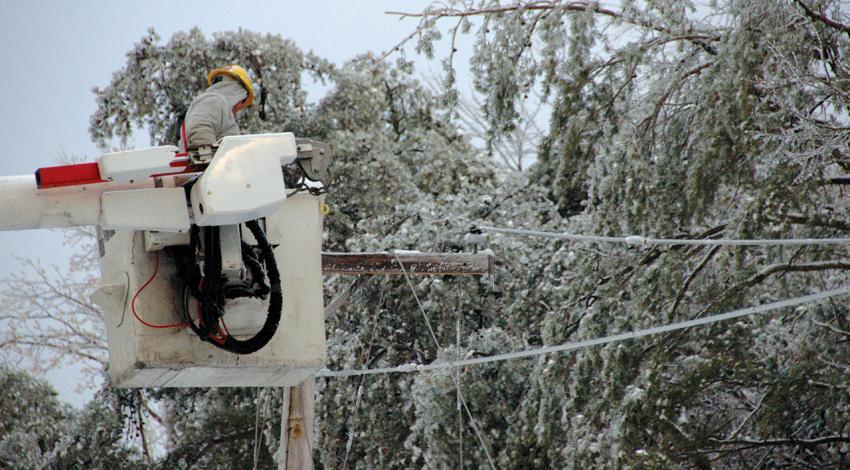
lineworker in bucket

Weather forecasters knew it was a potentially devastating storm — a moisture-laden system rolling up from the Gulf of Mexico on a collision course with an arctic blast from the north, with Ohio right in the crosshairs.

“It was really just a good soaking rain that first night,” Martin says.

“We were getting a few calls, and it looked like some of our members might be out for as long as a day or two. Then when we woke up the next morning and saw it in the daylight, we knew it was a bad situation.”

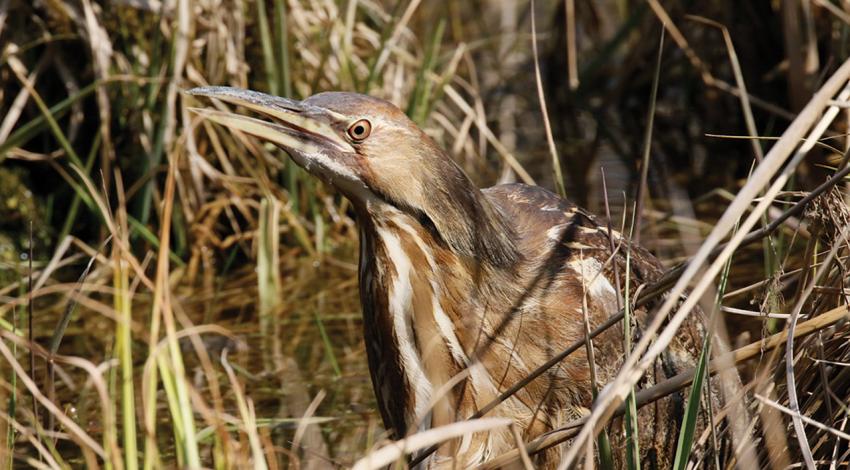
American Bittern

I don’t consider myself an avid birder, but I understand enough about Ohio birds to know when something unusual shows up.

American bitterns are not easy to spot, for two reasons. First, there aren’t very many of them — they’re state-endangered. Second, they are masters of camouflage. The bird kept its heavily streaked breast turned toward me at all times, rotating slowly as I moved back and forth for a better camera angle.

linemen on a wire

If you’ve read this magazine for long enough, you get the idea that we respect, even admire, the people whose job it is to go out every day and keep our lights on. The lineworkers who represent each of the 24 electric cooperatives in our state are the first responders of the cooperative world. They are a dedicated, self-sacrificing bunch who do not flinch when the call goes out — any time of day, any season of the year.