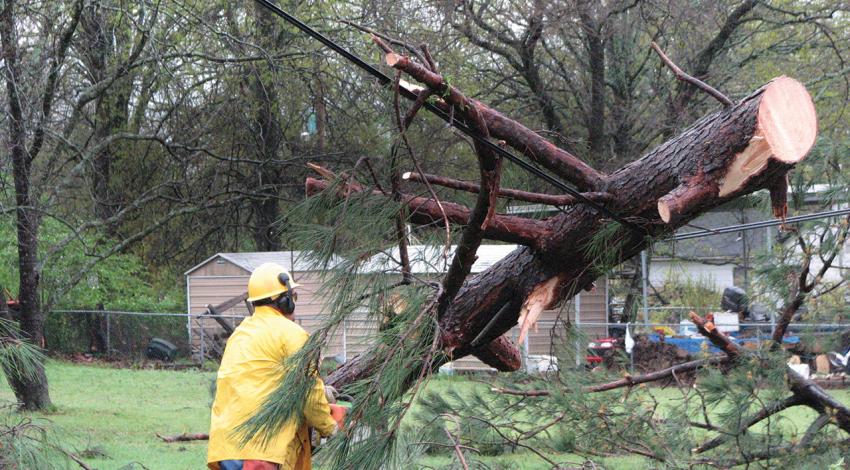
At the beginning of March 2017, after what had been, to that point, an unusually mild winter, a huge storm system came through southern Ohio and northern Kentucky, bringing with it winds that brought down trees and power lines and causing power outages in large swaths of the area.
Electric cooperatives do everything they can — regular maintenance, tree-trimming, etc. — to prevent such outages, but sometimes, Mother Nature has her own ideas. When outages do happen, the co-ops are ready.


You probably noticed something different when you pulled this magazine from your mailbox. After months of conversations with our member-owners, cooperative staff, and industry experts, we’ve finished an extensive graphic redesign of your magazine. This, the first issue of Ohio Cooperative Living, is a culmination of those planning efforts.
It’s been several years since we took a hard look at the style and format of the magazine. During our review, nothing was off-limits — right up to and including the name of the publication itself.
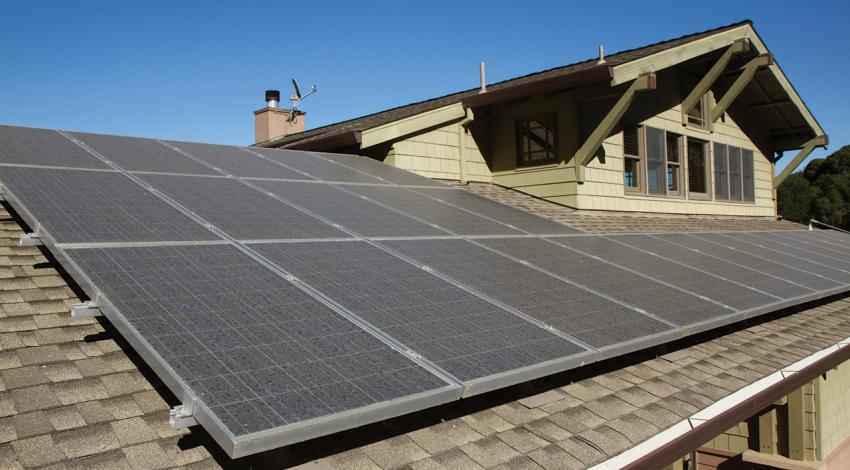
There are lots of reasons that electric consumers may check into the possibility of generating some of their own power — after all, sunshine and wind are seemingly free, and modern technology has made it possible to use those resources at the household or building level in a way that’s never been possible.
But there’s much to consider before making that decision: economics — the real monetary potential of the system; safety — for both consumers and lineworkers trying to restore power during an outage; and reliability — ensuring a steady flow of electricity.
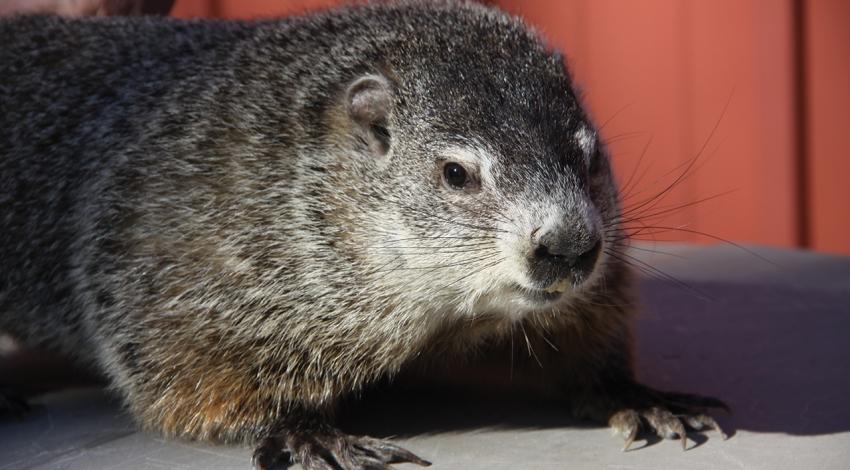
Buckeye Chuck, Ohio’s official weather-prognosticating groundhog, does not live what anyone would consider a tough life; after all, he’s called upon to work only one day a year.
But oh, that one day: Groundhog Day, February 2 — the day the entire world watches with bated breath to see what he sees when he comes out of his den.
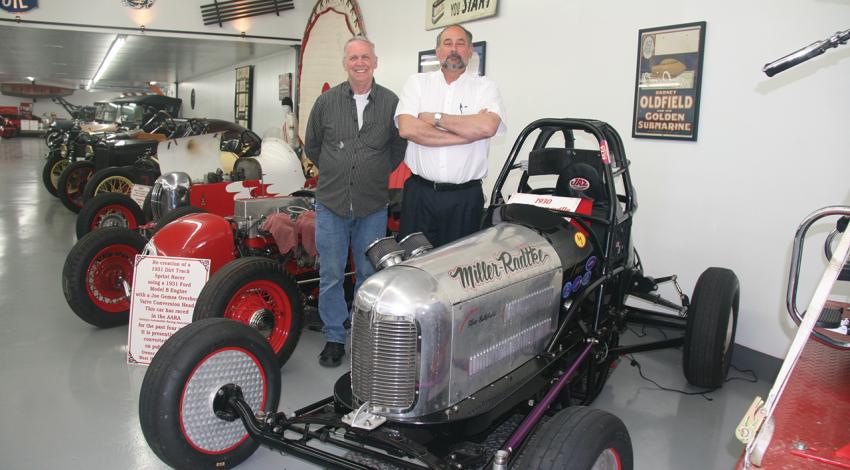
The Salty Dog Museum, a top-notch assemblage of Model T and A Fords in Shandon, Ohio, came into being out of necessity for Ron Miller, his son B.J., and their friend Mark Radtke.
Before they opened the museum, the vehicles were spilling out of their backyards and garages.
“Everybody collects something, and we happen to collect antique vehicles and their stories,” Radtke says.

When it comes to adopting new technology, electric cooperatives are David beating Goliath.
“The smaller size of co-ops allows us to be more nimble because we have fewer consumers,” says Pat O’Loughlin, president and CEO of Ohio’s Electric Cooperatives, the wholesale power supplier and trade association for the 24 co-ops serving the state. “We can try new things and deploy them faster than some big utilities.”
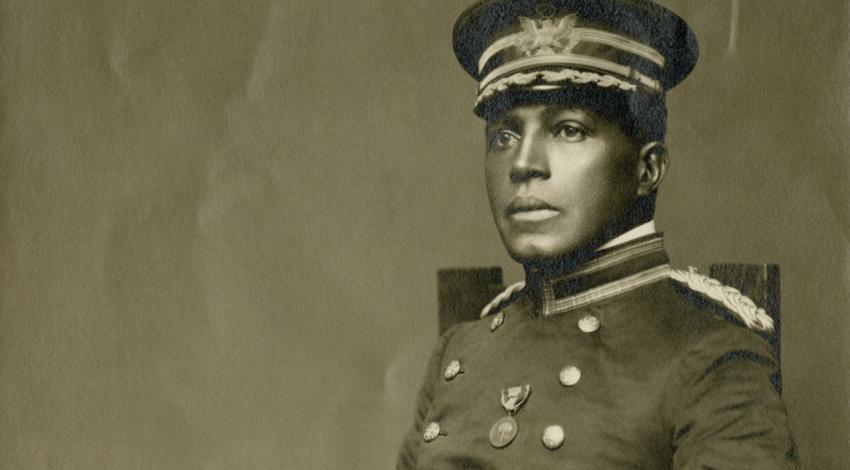
Charles Young was born into slavery in Mays Lick, Kentucky, in the time just after Abraham Lincoln delivered the Emancipation Proclamation and just before the ratification of the 13th Amendment, which abolished slavery.
His parents, technically still considered runaway slaves, carried him as an infant across the Ohio River to the freedom granted them when his father enlisted in the Union Army.
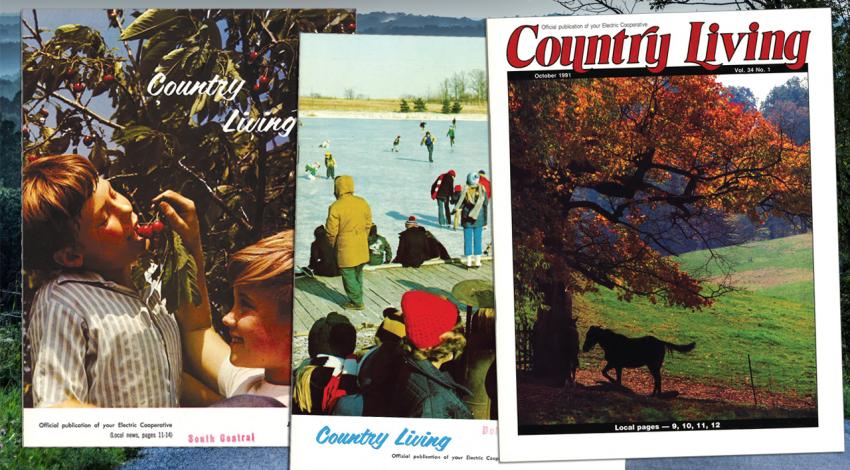
A look back
Country Living came into being at a time when the country was still getting used to the idea that farmers could get electricity from a centralized power plant, just like urban dwellers could.
A little more than 20 years had passed since Franklin D. Roosevelt had signed the Rural Electrification Act, which allowed for the creation of electric cooperatives to illuminate the mostly dark countryside. By October 1958, 28 electric cooperatives had formed and were successfully providing electricity to rural areas — mostly farms — in the Buckeye State.